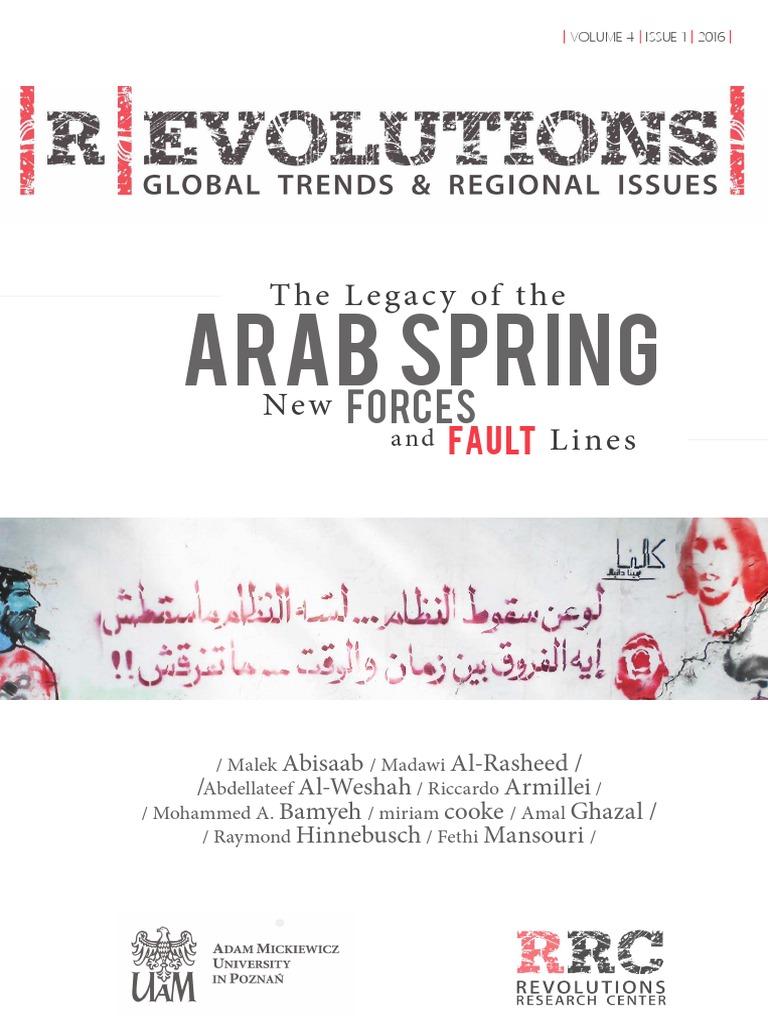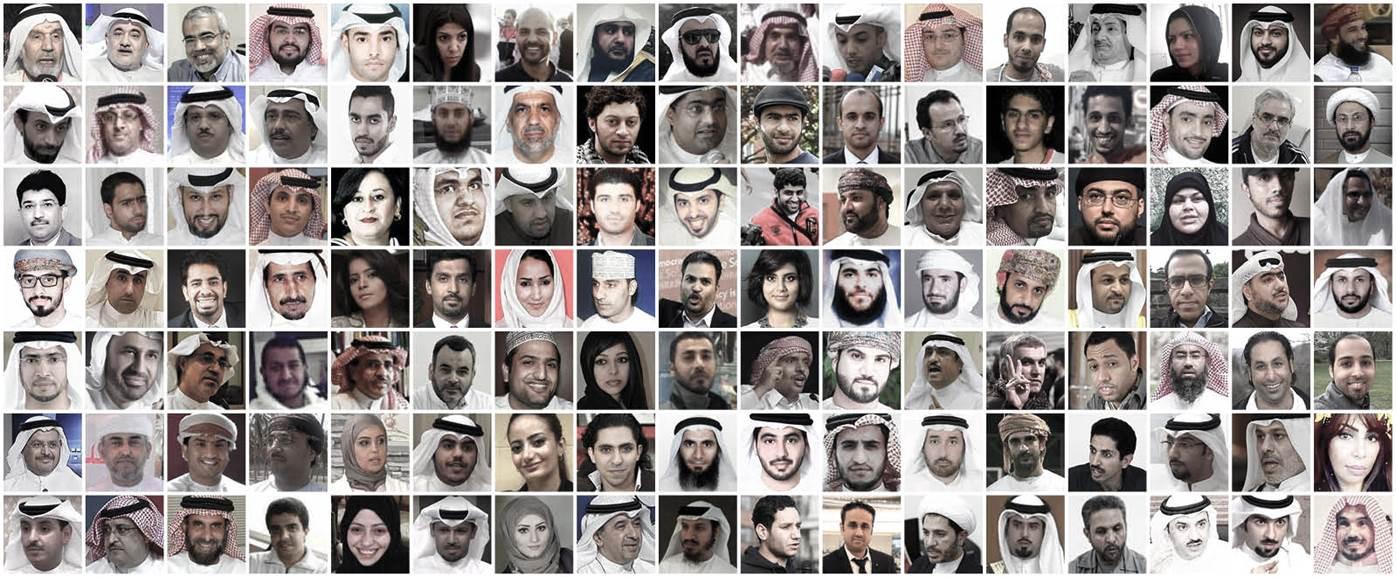
The Arab Spring, a phenomenon characterized by fervent uprisings and fervid calls for change, served as the tinderbox for a societal revolution across multiple nations in the Arab world. In this electrifying milieu, social media emerged as the catalyst, specifically the succinct yet powerful realm of the 140-character tweet. Activists utilized these platforms to transcend borders and language barriers, stitching together a global tapestry of solidarity in an unprecedented manner. In this exploration, we delve into how these minuscule morsels of communication united diverse voices under an umbrella of shared aspirations and fierce determination.
The 140-character limit of Twitter, akin to a tightly wound spring, propelled activists’ fervent ideas into the world with astounding velocity. Each tweet, a small yet potent spark, ignited thoughts and feelings that resonated across vast distances, culminating in a symphony of rebellion against the status quo. In the landscape of oppression, this digital succinctness allowed for succinct articulations of hope, anger, and vision, brilliantly encapsulating the essence of a generation longing for change.
One of the most compelling aspects of Twitter during the Arab Spring was its democratizing force. The platform dismantled traditional hierarchies, granting ordinary citizens an avenue to express dissent. Activists found themselves armed with smartphones rather than weapons, wielding the power of the digital pen. This transition from the quill to the click fashioned a new paradigm of protest, where thoughts could be broadcasted at lightning speed, rallying supporters from various backgrounds, unifying them through the evocative call for justice.
The metaphorical thread tying together these disparate voices can be likened to a tapestry woven with the threads of individual narratives, each contributing a unique color. Tweets chronicling personal experiences of oppression or tales of resilience painted a vivid picture of a collective struggle. The emotional weight carried by these micro-narratives served as an invisible yet palpable link, binding those embroiled in revolution across national boundaries.
Moreover, the rapid dissemination of information served to amplify the urgency of the activists’ cries. A tweet reaching thousands of followers can morph into an avalanche of retweets—each one a ripple extending further into the digital ocean of global awareness. Those 140 characters transcended their confines, catapulting messages into the public discourse, grabbing the attention of international media, and pressing world leaders to recognize the seismic shifts occurring within the communities caught in the throes of transformation.
Alongside the facilitation of solidarity, these brief yet impactful expressions became the backdrop for a new kind of journalism. Eyewitness accounts shared instantaneously provided a gritty, unfiltered perspective on events that mainstream media struggled to convey promptly. It was as if the walls of information had crumbled, allowing a free flow of narratives that spurred empathy and compelled a global audience to engage. Information poured forth relentlessly, overwhelming traditional narratives, and allowing unvarnished truths to emerge and resonate throughout the world.
However, this digital cacophony was not without its challenges. As activists navigated the intricate web of online engagement, they faced the omnipresent specter of misinformation and censorship. Information spread rapidly, but so too did falsehoods. The same platform that offered a stage for voices to rise also harbored the dangers of fragmentation and manipulation. In such a tenuous landscape, discerning the truth became vital; thus, activists had to cultivate not just unity, but a sense of discernment and discernible authenticity amidst the noise.
In many ways, the tweets of the Arab Spring functioned like the canaries in the coal mine. Each expression of dissent echoed the fears and hopes of an entire population yearning for liberation. Activists effectively utilized Twitter as a beacon of hope, illuminating pathways forward while allowing marginalized voices to emerge from obscurity. These digital platforms were not merely tools for communication; rather, they served as the lifeblood of revolutionary endeavors, channeling energy and purpose into the collective struggle.
The role of hashtags, crafted with intention, transformed into rallying cries, akin to battle standards, exemplifying a shared ethos and galvanizing momentum. #Jan25 in Egypt became synonymous with hope and resistance against tyranny, serving as a focal point around which protests organized. The ingenuity of activists in creating memorable and poignant hashtags propelled the discourse, resulting in a viral phenomenon that transcended geographical limitations. This linguistic alchemy reinforced camaraderie while bolstering the collective identity of the movement.
Furthermore, the emotional weight behind each hashtag fostered an environment conducive to international solidarity. When individuals bearing witness to the tumultuous struggles in the Arab world tapped into their compassion, they too became part of the narrative. Through the ever-expanding web of social media, the plight of ordinary citizens was no longer confined to geographic borders. Activists became global storytellers whose fervor transcended local landscapes, uniting disparate groups in a shared quest for dignity and justice.
As we reflect on the enduring legacies of the Arab Spring, the impact of 140-character messages resonates beyond mere information exchange. They emerged as modern-day proclamations of resilience, encapsulating both the desperation for change and the exhilarating possibility of a brighter future. In turning to social media as a weapon against oppression, activists illuminated a path forward, ushering in a new era in which voices are amplified, connections strengthened, and hope ignited in defiance of tyranny.
Ultimately, the Arab Spring holds a mirror to society’s potential, showcasing how succinct messages can act as conduits for change. Through the lens of 140 characters, humanity is capable of not just connecting, but collaborating, crafting a compelling narrative of resistance that continues to inspire movements worldwide. The digital revolution’s heartbeat, thrumming through the keyboards of thousands, signifies an undeniable truth: united through the power of voice, even the most complex struggles can forge pathways toward transformative change.