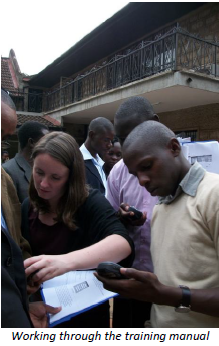
Engaging communities in a meaningful way is essential for fostering development and addressing the unique challenges that different regions face. A participatory digital mapping workshop, such as the one organized by Plan Kenya, offers a novel approach to community engagement. It not only empowers participants but also promises a shift in perspective that can drive change.
Digital mapping is a transformative tool that integrates technology with geographic representation. Through this workshop, participants from various backgrounds—community leaders, youth, women’s groups, and local government officials—gather to visualize their realities. The process begins with an introduction to the digital tools that facilitate interactive mapping, such as Geographic Information Systems (GIS) and open-source platforms.
Often, people are unaware of the plethora of data available at their fingertips. By leveraging technology, this workshop unveils layers of information that enable communities to understand their socio-economic landscapes better. For instance, participants can identify areas lacking essential services such as healthcare, education, and sanitation facilities. The act of translating local knowledge into digital formats not only fosters ownership but also encourages an inquisitive mindset about their surroundings.
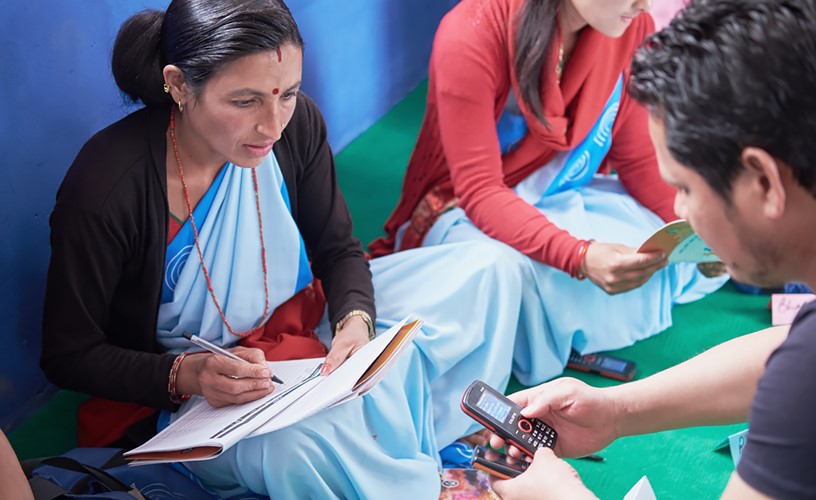
One of the intriguing aspects of the workshop is the interactive aspect of the mapping process. Participants engage collaboratively, sharing personal stories that often illuminate larger systemic issues. Imagine a group of women collectively identifying the nearest water sources and discussing the challenges they face in accessing clean water. This shared experience serves as a catalyst for dialogue, igniting curiosity about how other community resources are similarly mapped and analyzed.
The initial phase of the workshop employs various participatory techniques to gather qualitative data. Using tools like Post-it notes, participants are encouraged to jot down problems they encounter on a day-to-day basis. As these notes are affixed to community maps, a visual representation of shared challenges emerges. This step creates an immediate sense of connectedness and fosters a collective identity, prompting participants to see their community from a different angle.
Once core issues have been delineated, the training shifts towards the technical aspects of digital mapping. Experts guide participants in using software to plot data where participants have first-hand experiences or insights. As participants engage with the software, they begin to question why certain issues persist and how they can be addressed, instilling a sense of curiosity and inquiry that could propel future initiatives.
The workshop also emphasizes the importance of accuracy and reliability in data collection. Participants are taught how to assess the credibility of sources, maintain data integrity, and apply ethical considerations when representing their communities on digital maps. This educational component not only enhances technical skills but also cultivates an understanding that data representation can influence policy decisions and resource allocation. This realization itself ignites a fervor for advocacy among participants—an invaluable shift in perspective.
As the mapping progresses, the digital artifacts created by participants serve as compelling visual narratives. These maps act as powerful advocacy tools to present to stakeholders, including local governments and NGOs. By transforming lived experiences into visually appealing data, participants can effectively communicate their community’s needs and aspirations. This visualization process piques curiosity about how mapping can influence decision-making and resource distribution, drawing attention to previously overlooked areas that are in dire need of support.
The workshop culminates in collective presentations where groups officially unveil their maps. These presentations offer an arena for individuals to express their enthusiasm and pride in their community’s insights. More importantly, they encourage dialogue with decision-makers who can implement changes based on the collective voicing of needs. The impact of such platforms is profound; it nurtures a curious mentality beyond the workshop boundaries, enabling participants to envision how they might apply similar practices outside the workshop context.
In many respects, the participatory digital mapping workshop with Plan Kenya embodies a microcosm of entire communities awakening to a broader context. It shifts perspectives from passive recipients of aid to active agents of change. The camaraderie built during the mapping sessions, combined with the newly acquired technical knowledge, fosters an invigorated community spirit. It nurtures advocates who are not just curious about their environment but are also eager to engage actively with it.
Ultimately, the workshop reinforces that curiosity and collective action are powerful tools in development. The workshops serve as a reminder that solutions often lie within the communities themselves. The act of mapping solicitously emphasizes inherent strengths and shared experiences that bind individuals within a community. The outcome is not merely a visual representation of geographical data; it is a vibrant tapestry woven from the threads of narratives, aspirations, and indigenous knowledge unique to each locality.
Engaging in participatory digital mapping with Plan Kenya offers an innovative avenue for communities to reclaim agency over their narratives. This empowering experience beckons participants to look beyond traditional development paradigms and explore a more inclusive approach toward societal progress. Through curiosity and collective introspection, these workshops illuminate the path toward a future cultivated by the communities themselves.