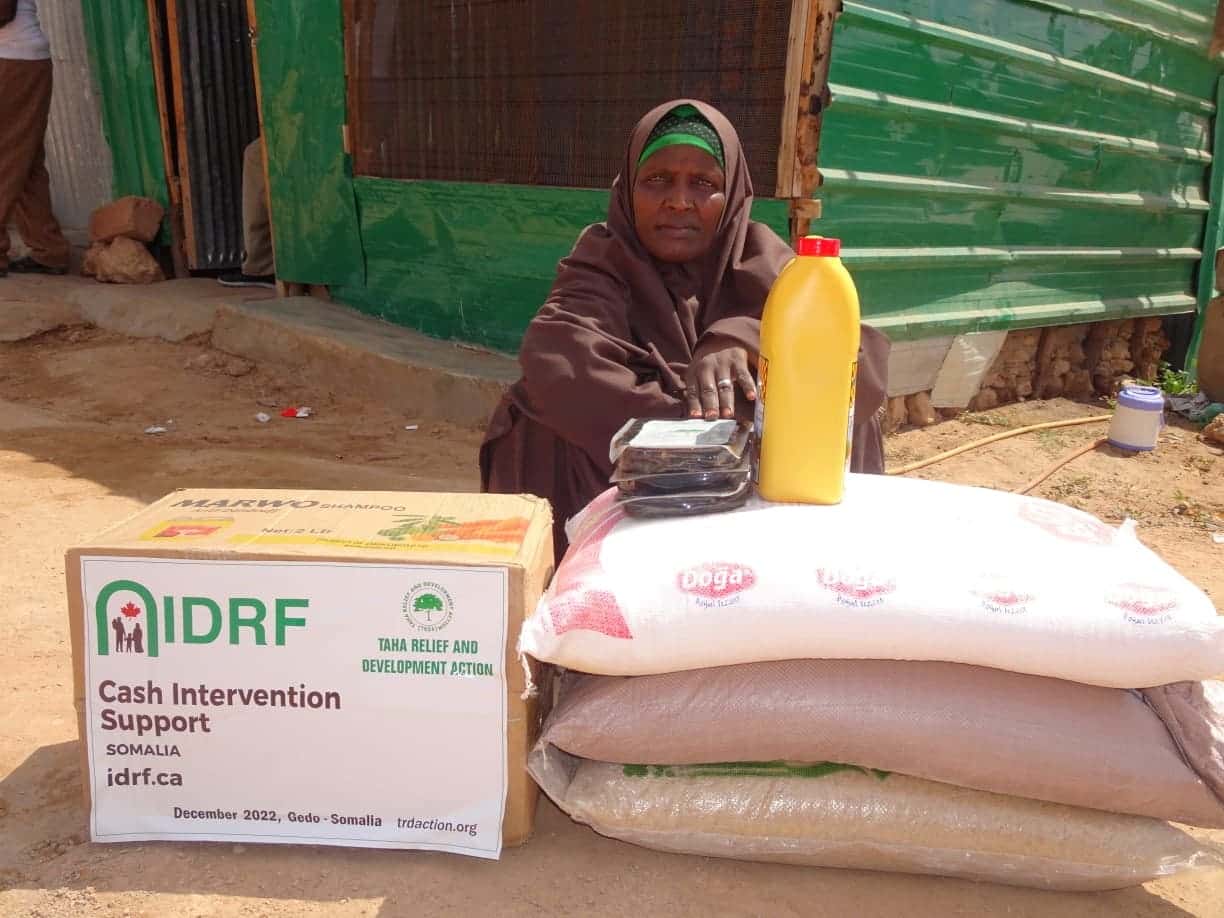
The concept of food security has garnered increasing attention in recent years, especially in the context of economic malaise. The interrelationship between these two phenomena often sparks lively discourse, yet the intricacies of this nexus can be elusive. A pivotal concern is identifying the pathway from economic instability to sustainable food security, a journey fraught with challenges but not impossible to navigate.
Understanding Economic Malaise
To adequately address food security, one must comprehend the nuances of economic malaise. This term encapsulates a state of prolonged stagnation characterized by low employment rates, diminished consumer spending, and pervasive uncertainty in markets. Such conditions can precipitate a decline in agricultural investment and innovation, discouraging production and ultimately leading to food scarcity.
1. Recognizing the Vulnerabilities
The first step in addressing food security in the face of economic malaise is to acknowledge the vulnerabilities of food systems. A critical analysis reveals that many communities, particularly those reliant on subsistence farming or localized agriculture, face acute risks during economic downturns. The price volatility of essential crops, exacerbated by reduced purchasing power, creates a vicious cycle that traps families in a state of food insecurity.
2. Strengthening Local Economies
Economic malaise often accompanies a dependence on global supply chains, which can falter during crises. Strengthening local economies emerges as a strategic imperative. By investing in local agricultural initiatives—these can range from community-supported agriculture (CSA) programs to urban farms—municipalities can bolster food resilience. Engaging local stakeholders fosters a sense of ownership and cultivates a support network that can withstand economic downturns.
3. Diversifying Income Sources
One of the most effective ways to transition from economic malaise to food security is through diversifying income sources for families. When families rely solely on traditional farming for sustenance, they become acutely vulnerable to market fluctuations and natural disasters. Encouraging entrepreneurial ventures or supplementary income streams can mitigate these risks. For instance, training programs in small-scale food processing or agritourism can empower communities, enabling them to generate additional revenue while enhancing local food systems.
4. Technological Innovations
The role of technology in transforming food security cannot be overstated. Innovative agricultural technologies such as precision farming, hydroponics, and drones for monitoring crop health can significantly enhance productivity. During economic malaise, public and private investment in technology becomes paramount. Government grants or public-private partnerships can stimulate agricultural research and development, creating opportunities for larger yields with fewer resources.
5. Policy Reformation
Policy plays a pivotal role in shaping food security landscapes. Governments must enact policies that prioritize food systems resilience amidst economic challenges. Policies should support smallholder farmers, provide access to affordable loans, and incentivize sustainable practices. Additionally, social safety nets, such as food assistance programs, should be robust and inclusive to protect the most vulnerable populations during economic downturns.
6. Education and Awareness
Education serves as a cornerstone for achieving food security. Raising awareness about nutrition, food preparation, and sustainable practices cultivates a well-informed populace capable of making healthier choices. Communities engaged in educational programs tend to be more adaptive and resilient in the face of economic challenges. Moreover, educational initiatives can empower individuals to advocate for policies that promote food security, turning passive stakeholders into active participants in systemic change.
7. Collaboration Across Sectors
Building food security amid economic malaise necessitates a collaborative approach involving diverse sectors. Governments, non-profit organizations, businesses, and academic institutions must converge to share resources and expertise. Multi-sector collaboration fosters innovation, enabling the development of comprehensive strategies addressing both economic and food-related challenges. For example, partnerships between local businesses and agricultural co-ops can enhance supply chains while bolstering local economies.
8. Addressing Climate Change
The interplay between economic malaise and food security is further complicated by climate change. Extreme weather patterns impact crop yields and food availability, intensifying existing vulnerabilities. Strategies for addressing climate adaptation within agricultural frameworks become essential. Initiatives such as developing drought-resistant crops or implementing water conservation practices help in combating the adverse effects of climate change. Moreover, raising awareness about the importance of sustainability can galvanize community efforts to mitigate these risks.
9. Measuring Success
To ascertain the effectiveness of efforts aimed at progressing from economic malaise to food security, establishing clear metrics for success is vital. These metrics should not only evaluate food availability but also consider accessibility, affordability, and nutritional quality. Regular assessments can facilitate timely interventions, enabling stakeholders to adapt strategies in real time.
10. Fostering Community Resilience
Ultimately, the transition from economic malaise to food security hinges on fostering community resilience. This involves nurturing a culture of collaboration, innovation, and adaptability. By emphasizing community-driven initiatives and harnessing local resources, societies can cultivate a robust infrastructure capable of withstanding economic fluctuations while ensuring food security for all.
In conclusion, the journey from economic malaise to food security is intricate but navigable. By addressing the vulnerabilities inherent in food systems, strengthening local economies, and fostering resilience through collaboration and innovation, communities can build a more secure and sustainable future. Empowering individuals and communities will not only combat food insecurity but also lay the groundwork for enduring economic vitality, creating a landscape where both can flourish harmoniously.