The sun rises gently over the horizon, casting a warm glow on the fields where rural women labor tirelessly to provide for their families. Like the steadfast rhythm of the earth, maternal health information must also take root in these communities, blossoming into a wealth of knowledge that empowers women. Disseminating maternal health information to rural women is akin to nurturing a garden: it requires careful cultivation, a deep understanding of the environment, and thoughtful strategies to harvest a bountiful crop of well-being.
In an age where healthcare disparities persist, understanding how to effectively share maternal health information can catalyze profound change. Below are key strategies for disseminating this vital knowledge to rural populations.
1. Understand the Audience: Know the Soil
Just as a gardener must understand the type of soil they are working with, so too must health communicators and practitioners recognize the unique cultural, economic, and social dynamics of rural communities. Engage in community consultations to gather insights about beliefs surrounding maternal health. This knowledge will inform how information is presented, ensuring it resonates with the audience and becomes a catalyst for change.
2. Utilize Trusted Community Leaders: Planting Seeds of Trust
In rural communities, trust is often built through relationships. Collaborating with respected community leaders, such as midwives, local health workers, and clergy, serves as a means of planting seeds of trust. These figures can bridge the gap between healthcare providers and rural women, validating messages and encouraging participation. By amplifying maternal health information through these voices, communities are more likely to embrace new practices and knowledge.
3. Harness the Power of Storytelling: Weaving Tapestries of Experience
Narratives possess an unparalleled power to convey information and evoke emotional resonance. By crafting stories that reflect relatable experiences surrounding maternal health, disseminators can create an emotional connection with their audience. Incorporating local dialects, customs, and values enriches the tapestry of information, making it more engaging and memorable. The stories of formidable women overcoming challenges serve not just to inform but to inspire.
4. Employ Visual Aids: Painting the Landscape
Images often speak louder than words. Utilizing visual aids—such as infographics, diagrams, and culturally relevant illustrations—can simplify complex health information. In environments where literacy rates may be low, these visual elements act as a compass, guiding women through vital maternal health decisions. Visuals can demonstrate prenatal care practices, signs of complications, or even the essential steps of childbirth, providing clarity that transcends language barriers.
5. Leverage Technology: Sowing Seeds in Innovative Soil
The rise of mobile technology opens new avenues for reaching rural women with maternal health information. Text messages, mobile apps, and social media platforms can serve as virtual channels to share critical health updates, appointment reminders, and educational resources. However, it is imperative to ensure that the technology is accessible and user-friendly, fostering an environment where women can engage with the information without intimidation.
6. Organize Community Workshops: Cultivating Collective Knowledge
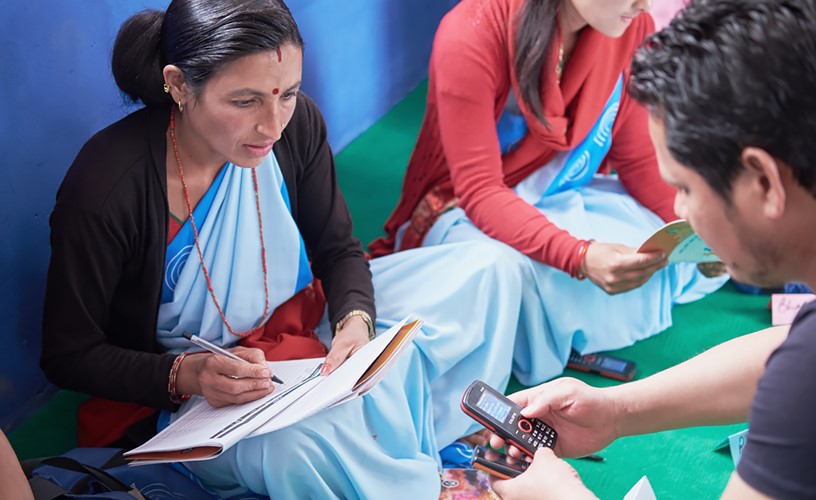
Creating interactive workshops in community centers or local gathering places cultivates an environment ripe for knowledge exchange. These gatherings can incorporate discussions, demonstrations, and hands-on learning experiences, thus allowing women to directly engage with maternal health topics. By fostering dialogue, participants can share their experiences and questions, transforming the workshop into a vibrant community forum that nourishes shared understanding.
7. Create Support Networks: Building a Fertile Community
Establishing support networks can cultivate an ongoing environment of information-sharing and encouragement among women. These networks can range from prenatal groups to postnatal parent clubs. Within these groups, women can talk openly about their experiences and challenges, creating a sense of solidarity. Moreover, these networks can act as a conduit for disseminating health information, encouraging women to support one another as they navigate their maternal journeys.
8. Evaluate and Iterate: Tending to the Garden
Just as a gardener must evaluate their crops’ health to ensure robust growth, continuous evaluation of information dissemination methods is critical. Gathering feedback from participants to assess the effectiveness of messaging will illuminate what resonates and what needs adjustment. This iterative process allows for agility in addressing the unique needs of the community and ensures that maternal health information remains relevant and impactful.
9. Celebrate Success Stories: Reaping the Rewards
Celebrating the successes and improvements in maternal health outcomes can be a powerful motivator for continued engagement. By highlighting achievements within the community—such as higher rates of institutional births or successful maternal health initiatives—disseminators can inspire a collective commitment to nurturing health consciousness. These celebrations serve not only as recognition but also as affirmation of the power of informed choices.
10. Foster Partnerships: United in Purpose
Creating synergies with local NGOs, government bodies, and health organizations amplifies the resources available for disseminating maternal health information. These collaborations can develop comprehensive programs that leverage varied expertise, funding, and outreach strategies. Partnerships can serve as a robust framework, facilitating a multi-faceted approach to maternal health education that reaches the farthest corners of rural communities.
In conclusion, spreading maternal health information to rural women is akin to planting a garden of knowledge, one that thrives on trust, community engagement, and creativity. As we cultivate these informational seedlings, we create a fertile landscape where the health of women and their families can flourish. By employing these strategies, we pave the way for a future where rural women are empowered with the knowledge to make informed decisions, ensuring that their maternal health journeys are marked by strength, resilience, and support.