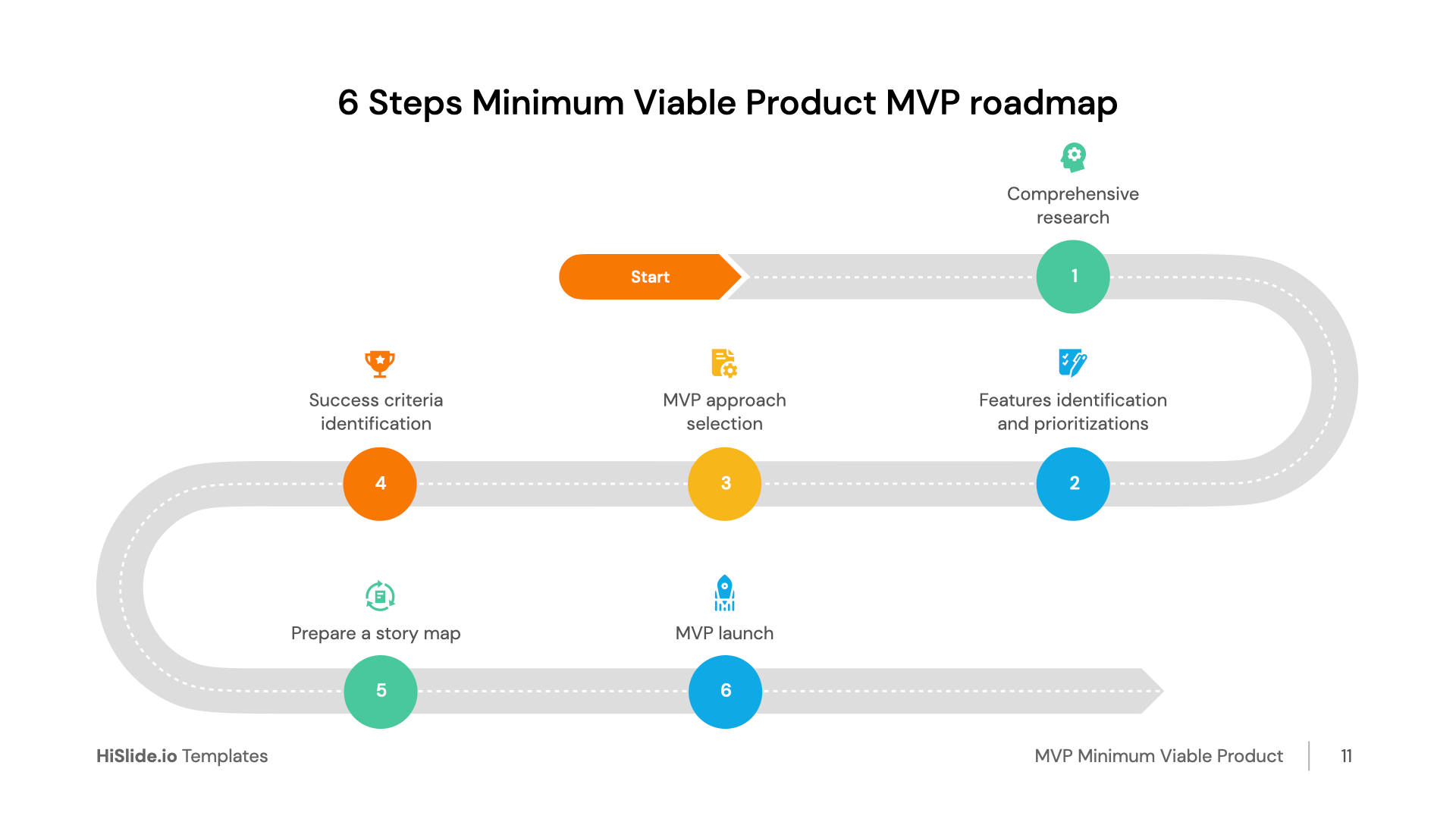
In the fast-paced world of startups and product development, the concept of a Minimum Viable Product (MVP) has emerged as an essential strategy. This foundational approach encompasses not only a product design but an intricate understanding of consumer needs, market dynamics, and developmental agility. In this article, we shall delve into the systematic process of constructing an MVP that not only fulfills its primary functions but resonates with user expectations, ensuring a smoother path to iteration and expansion.
1. Understanding the Essence of an MVP
At the core of an MVP lies a simple yet profound idea—that not every feature is necessary right from the onset. An MVP is designed to validate the core assumptions of a product idea by offering just enough functionality for early adopters. This distinct focus on essentials distills the product down to its most critical components, enabling quick feedback and insights.
2. Identifying Target Users
Before embarking on the development journey, it is crucial to identify your target audience. Who will benefit from your product? Conduct user research through surveys, interviews, and market analysis to delineate demographic characteristics and psychographics. This deep understanding will inform the features that matter most to your users, guiding subsequent design choices.
3. Defining the Core Problem
Every product attempts to solve a specific problem or fulfill a particular need. As such, elucidating the core problem your product aims to solve is paramount. Utilize the insights from your user research to frame this problem as clearly as possible. A well-defined problem statement serves as the compass throughout the MVP development process, ensuring that your team remains aligned and focused on effective solutions.
4. Determining Key Features
Once you’ve pinpointed the problem, it’s time to delineate the key features of your MVP. Prioritize features that directly address the core problem identified earlier. This often involves adopting a ‘must-have’ vs. ‘nice-to-have’ approach. By engaging stakeholders in prioritization exercises, such as the MoSCoW method (Must-have, Should-have, Could-have, Won’t-have), you can facilitate consensus on which functionalities warrant initial development.
5. Creating User Personas
To further refine product features, develop user personas that encapsulate your target audience. A user persona is a semi-fictional character based on user research that represents the specific segments of your demographic. These personas allow teams to visualize their users and tailor the MVP to align with user expectations, enhancing user experience and engagement.
6. Designing User Experience (UX)
The design of an MVP is not merely about aesthetics; it is about crafting experiences that guide users. Invest time in wireframing and prototyping to visualize how users will navigate your product. Focus on simplicity and intuitiveness in UX design. A convoluted interface can lead to user frustration, while a seamless experience encourages adoption and engagement.
7. Choosing the Right Technology Stack
Selecting an appropriate technology stack is essential for building your MVP. Consider factors like scalability, development speed, and cost. Utilizing well-supported frameworks and platforms can expedite the development process. Additionally, leveraging cloud services can offer flexibility and reduce initial overhead costs.
8. Developing the MVP
With groundwork laid, the time for development arrives. Maintain an iterative approach—develop, test, and iterate. Employ Agile methodologies to facilitate adaptive planning and encourage rapid, ongoing delivery of functional product increments. This allows for the integration of feedback throughout the development cycle, which can be invaluable in tailoring the final product to actual user needs.
9. Testing and Gathering Feedback
Upon nearing completion, it is vital to engage in rigorous testing of the MVP. User acceptance testing (UAT) should be conducted to gather valuable insights from real users. This real-world testing phase is an opportunity to identify usability issues, gather feedback, and understand user experiences. Employ tools like A/B testing to evaluate differing versions of features, optimizing for improved user satisfaction.
10. Launching the MVP
The launch of the MVP marks a significant milestone. Utilize marketing strategies that favor lean approaches, such as guerrilla marketing and social media campaigns, to generate buzz around your product. An effective launch builds anticipation and can foster an early user base, which is crucial for initial feedback and product enhancement.
11. Analyzing Data and Iterating
The launch is not the end; rather, it is the beginning of an ongoing cycle of feedback and iteration. Employ analytics tools to monitor user engagement and satisfaction metrics. This data will illuminate how users are interacting with your product and where pain points may exist. Iteratively refine your MVP based on this data, consistently evolving to meet user needs.
12. Planning for Future Development
Finally, as the MVP evolves and user feedback shapes development, plan for future iterations and enhancements. The MVP’s simple architecture allows for flexibility, making it easier to introduce new features and address evolving market demands. Engaging with users post-launch is instrumental in fostering loyalty and satisfaction, setting the stage for sustained growth.
Building a successful MVP is an intricate balance of understanding your users, defining key problems, and crafting experiences that resonate. By meticulously following these steps, you can establish a robust foundation for your product—a foundation that not only works but thrives in an ever-competitive landscape.