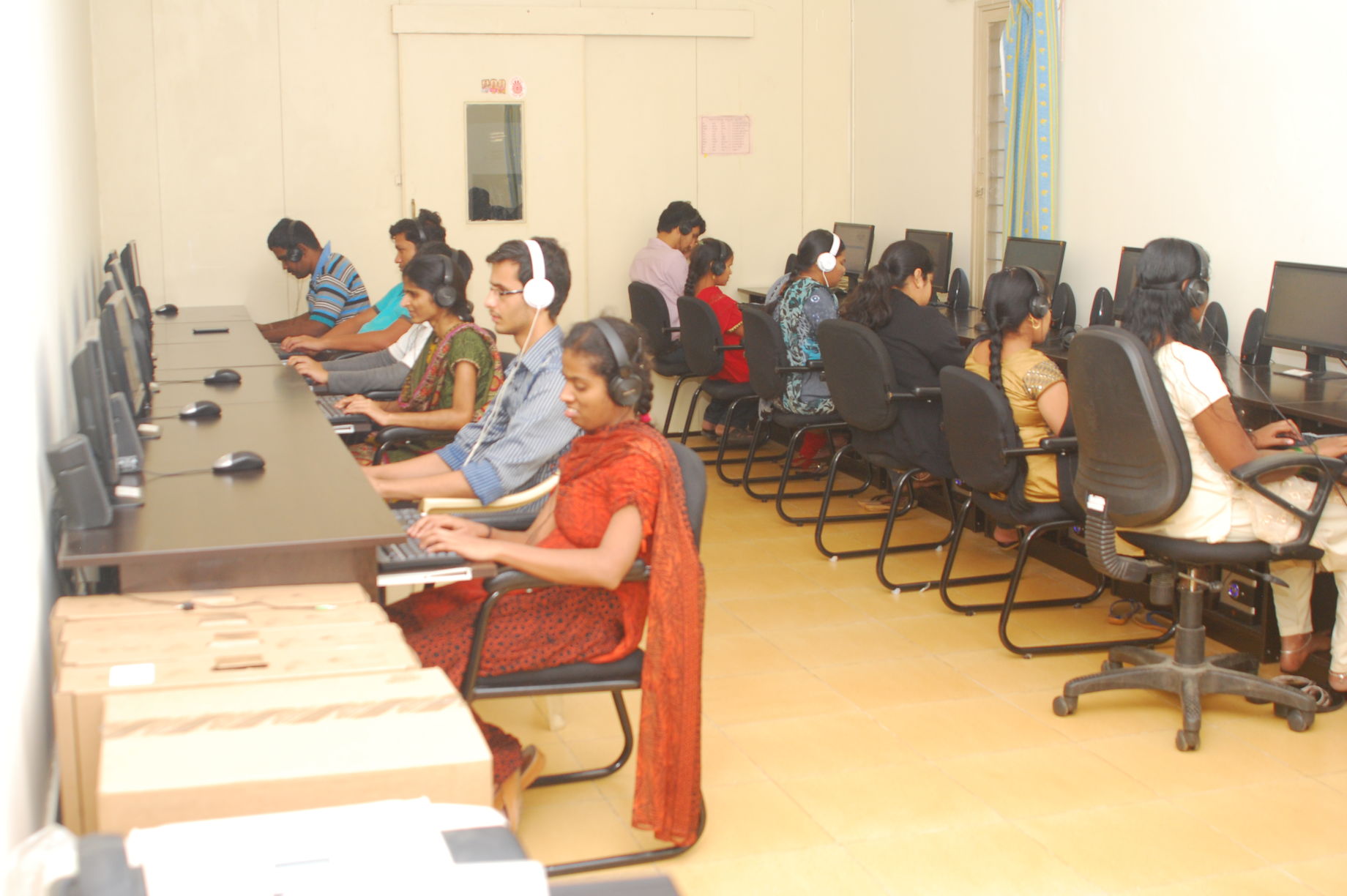
In today’s technologically advanced society, how can we leverage innovation to uplift marginalized communities? This question resonates particularly in the context of education for blind students, who often face numerous challenges in accessing information and learning materials. With the advent of Information and Communications Technology (ICT), a groundbreaking solution has emerged in Palestine: Souktel’s new audio service. This innovative initiative holds the promise of empowering blind students, nurturing their educational journeys, and fostering a more inclusive learning environment.
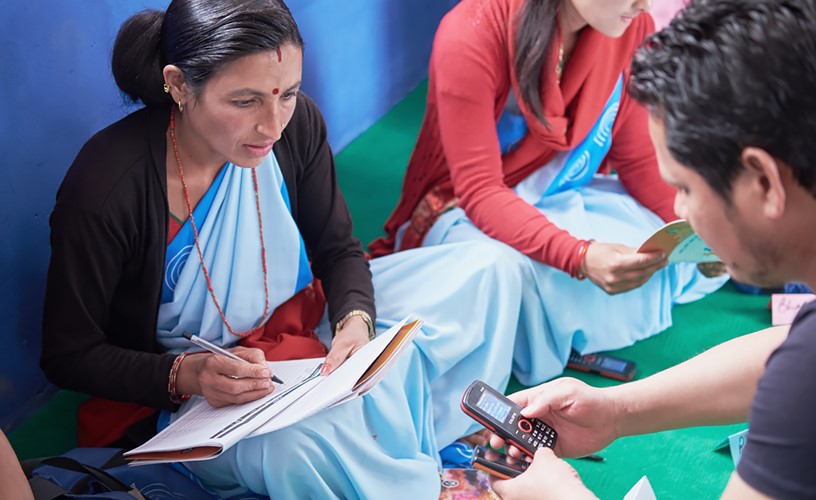
Souktel, a trailblazer in mobile technology solutions for education and development, has designed this audio service to cater specifically to the needs of visually impaired students. Harnessing the capabilities of mobile phones, it transforms traditional learning materials into accessible audio content. But what challenges remain to ensure the efficacy of such technology? The answer lies in the seamless integration of ICT into the educational landscape—an endeavor that is both ambitious and essential.
At the core of Souktel’s initiative is the principle that all students, regardless of their physical limitations, deserve equitable access to quality education. Blind students often grapple with the unavailability of braille textbooks, audio resources, or assistive technology in classrooms. This service does not merely replace traditional methods; instead, it widens the horizons of learning by creating an inclusive digital ecosystem.
One notable feature of Souktel’s audio service is its content diversity. The platform accommodates a plethora of subjects, including mathematics, science, and languages, thus enabling students to navigate their academic requirements more effectively. Consider the implications of a blind student attempting to solve complex mathematical equations without tactile aids. Souktel’s audio resources can verbalize these equations, guiding students through problem-solving processes step-by-step. This transformation from visual to auditory learning embodies a significant shift in educational methodologies, designed to sharpen cognitive functions and academic confidence among blind students.
The implementation of this service also fosters an environment of independence. Traditionally, blind students heavily relied on teachers or aides to convey information. With the use of Souktel’s audio service, they become active participants in their educational journeys. Imagine a student who, equipped with this auditory tool, can independently explore lessons at their own pace. It’s a liberating thought that breaks the chains of dependency and cultivates self-sufficiency.
However, the transition to an inclusive educational model is not devoid of challenges. The digital divide remains a formidable obstacle. Accessibility to smartphones or other devices capable of supporting Souktel’s audio service can be limited in some regions. Furthermore, internet connectivity issues may hinder the widespread adoption of this innovative solution. In addressing these challenges, targeted initiatives aimed at improving infrastructure could significantly bolster the impact of ICTs in these educational environments.
Moreover, teacher training is paramount. Educators must be adequately equipped not only to use this technology but also to integrate it into their teaching methodologies. Professional development programs will ensure that teachers can effectively guide blind students using Souktel’s platform, thereby enhancing the overall learning experience.
Equally important is the role of community engagement. By raising awareness about the capabilities and potential of this audio service, stakeholders can foster a supportive community that advocates for innovative solutions in education. Engaging local organizations and parents will play a crucial role in promoting this initiative, ensuring that blind students are not isolated in their educational pursuits.
The potential ripple effects of Souktel’s audio service extend beyond individual students. When one blind student gains access to this innovative platform, they not only enrich their own learning experience but also inspire their peers and the community at large. The narrative of what is possible shifts dramatically as educational barriers fade and the contours of learning become redefined.
Furthermore, the data collected from the usage of this service can provide invaluable insights into the learning preferences and challenges faced by blind students. By analyzing this information, educational authorities can tailor resources and interventions that specifically respond to these needs, thereby continuously refining teaching practices and curricula to support inclusivity.
As we contemplate the intersection of technology and education, Souktel’s new audio service stands as a beacon of hope for blind students in Palestine. The initiative embodies the spirit of empowerment through ICTs, transcending the mere provision of resources. It fosters a culture of independence, encourages active learning, and cultivates a more inclusive educational landscape.
In conclusion, while the journey toward integrating ICT for blind students is fraught with challenges, the potential rewards are profound. Striving to overcome obstacles, such as access to devices, connectivity issues, and the need for comprehensive teacher training, will ultimately pave the way for a more equitable educational experience. As we embrace technology’s transformative power, the vision of a brighter future for blind students begins to take shape, one audio lesson at a time.