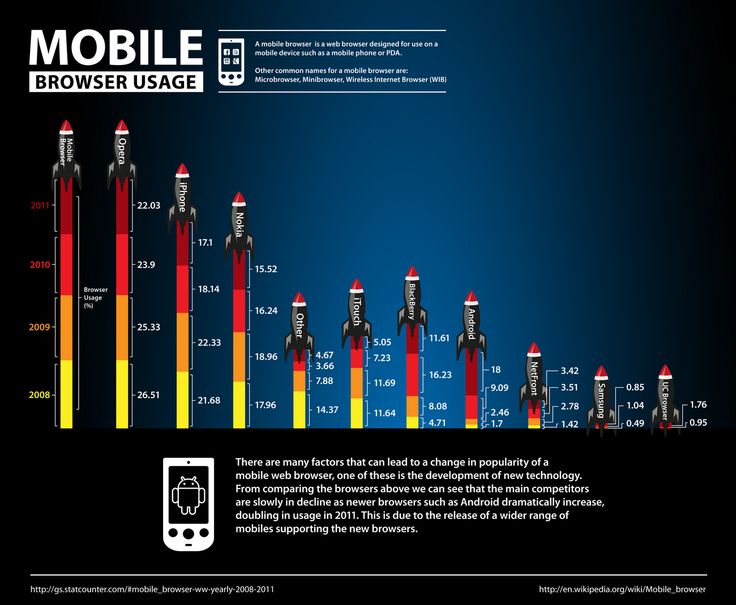
The digital landscape is ever-evolving, and the way individuals access content on the web has dramatically transformed in recent years. The graphic of mobile web usage, representing the rise of mobile devices as primary conduits for digital consumption, provides profound insights into user behavior, preferences, and patterns. This article delves into various aspects and types of content that readers can expect to encounter in the realm of mobile web usage.
First and foremost, it is essential to examine the predominant form of content consumed on mobile devices. The ubiquity of smartphones has led to a significant proliferation of social media platforms. Users are increasingly turning to these channels not just for interaction but also for news and entertainment. Short-form videos, ephemeral stories, and engaging posts dominate the landscape. Users are particularly drawn to platforms like TikTok and Instagram, where bite-sized content caters to diminishing attention spans but allows for rapid assimilation of information.
Scrolling through social feeds, one encounters an eclectic array of visuals and narratives that convey much in a matter of seconds. These snippets often capitalize on bold graphics, striking imagery, and audacious color palettes designed to capture attention amid a sea of competing stimuli. This visual-centric approach reflects a broader trend among content creators who prioritize aesthetic appeal as a means to enhance engagement.
Aside from social media, the demand for mobile-optimized websites has soared, prompting businesses and publishers to rethink their digital strategies. Responsive design ensures content is accessible across diverse screen sizes, maintaining readability and functionality. As a result, articles and blog posts are being restructured for optimal mobile consumption, often featuring shorter paragraphs, ample subheadings, and bulleted lists to facilitate quick scanning. The emphasis is on brevity without compromising richness, providing readers with the essential information at a glance.
The surge in mobile web usage has also catalyzed the popularity of podcasts and audio content. This auditory medium allows users to absorb information while multitasking—be it commuting, exercising, or even performing household chores. The convenience of listening as opposed to reading meets the needs of a populace with increasingly busy lifestyles. Various genres abound—true crime, educational, wellness, and entertainment—ensuring there’s something for every auditory palate. In this respect, the mobile web caters to an audience that values flexibility and adaptability in their content consumption.
Interactive content has also gained a strong foothold in mobile web usage. Gamification elements, quizzes, and polls encourage user participation and engagement. This trend stems from the realization that interactivity can capably sustain user interest far longer than passive consumption. Progressive web apps (PWAs) blend the best features of websites and mobile applications, offering offline access and push notifications, while retaining the instant accessibility of traditional web pages.
As mobile connectivity enhances, the incorporation of augmented reality (AR) into mobile experiences is becoming more commonplace. Retailers are leveraging AR to provide customers with immersive shopping experiences. Users can visualize products in their own spaces before making a purchase, thus bridging the gap between virtual and physical realities. This innovative content approach not only elevates user engagement but also boosts conversion rates significantly.
Furthermore, the unity of mobile web usage and personalization cannot be overlooked. Today’s digital ecosystem tailors experiences based on an individual’s past interactions, preferences, and behaviors. Algorithm-driven content feeds mean that users are treated to a curated selection of articles, videos, and advertisements that align closely with their interests. This personalization enhances user satisfaction—one reason why mobile web habits lean heavily toward content that resonates with the individual.
Mobile platforms have also birthed niche communities and forums, where users gather around shared interests and passions. These specialized spaces enable in-depth discussions and knowledge exchange, drawing users into dialogues that might not be as prevalent in mainstream media. Be it crafting, gaming, or wellness, these vibrant communities stimulate organic engagement and user-generated content, further enriching the mobile web landscape.
The evolution of mobile web usage has ignited discussions around accessibility and inclusivity. Content creators and designers are increasingly aware of the need to accommodate diverse audiences, including those with disabilities. Tools like screen readers and voice commands are being integrated into content delivery systems, ensuring that information remains accessible to all. Mobile web applications are pioneering this approach, and the shift towards inclusivity is gradually reshaping how content is produced and consumed.
The interplay between mobile web usage and data consumption patterns also warrants attention. High-definition content, including videos and graphics, can strain mobile data plans. Users are becoming discerning regarding their bandwidth usage, leading to growth in platforms that offer streamlined content experiences without compromising quality. This trend highlights the necessity for advertisers and content producers to constantly innovate in delivering value without excessive consumption burdens.
In conclusion, the graphic representation of mobile web usage encapsulates a myriad of evolving trends, preferences, and behaviors shaping the digital sphere. From immersive social media experiences and succinct written content to the rise of interactive and personalized material, the mobile web is reshaping how audiences engage with information. As more users gravitate towards their smartphones for digital interaction, the diverse content spectrum will continue to flourish, promising a vibrant and multifaceted future for mobile web engagement.