The Horn of Africa, a region marked by its diverse cultures and stark landscapes, has become emblematic of the multifaceted challenges that humanitarian workers face, particularly in the context of recurring droughts. Humanitarian work in this region is not merely a profession; it is a profound calling for many individuals, especially for gender-specific roles that often go unnoticed. Delving deeper, one discovers the intersection of gender dynamics and the dire circumstances created by persistent drought, revealing a narrative that is as much about resilience as it is about vulnerability.
1. The Landscape of Drought in the Horn of Africa
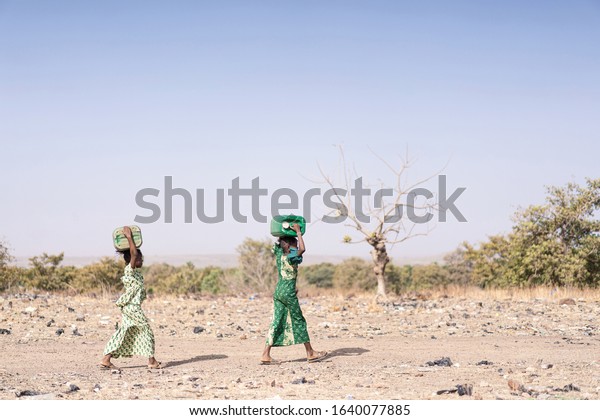
The Horn of Africa encompasses countries such as Ethiopia, Somalia, and Kenya, all of which experience a climate characterized by arid conditions and sporadic rainfall. Drought, compounded by climate change, has led to severe food insecurity and a hydration crisis. The soil, once fertile, now often appears barren and cracked; it begs for rain while its inhabitants grapple with the harsh reality of dwindling resources. Agriculture, a bedrock of livelihood for many, is under constant threat, increasingly turning vibrant communities into ghost towns.
2. The Role of Humanitarian Workers
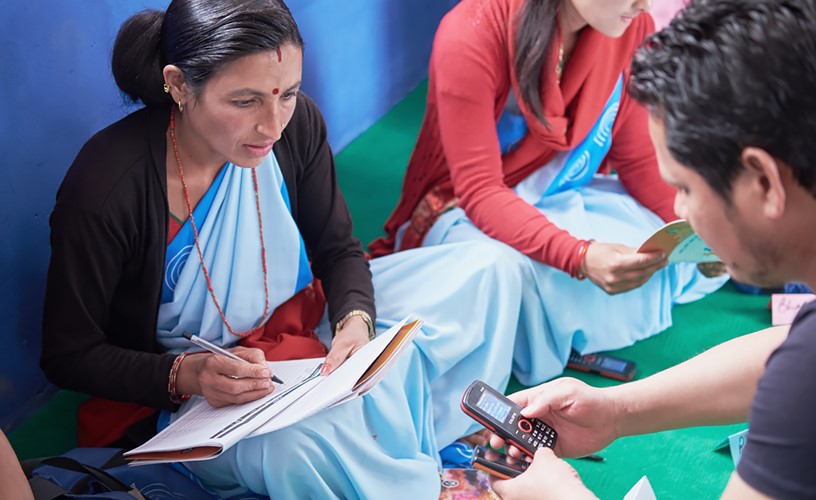
Amidst this turmoil, humanitarian workers emerge as unsung heroes. These individuals, equipped with a profound sense of empathy and a dedication to service, navigate the complexities of providing aid in a challenging environment. Their responsibilities encompass logistics, assessment of needs, distribution of supplies, and connecting with local populations. However, the extent of their influence often skews toward the immediate, while the long-term implications of their actions merit deeper scrutiny.
3. Gender Dynamics in Humanitarian Response
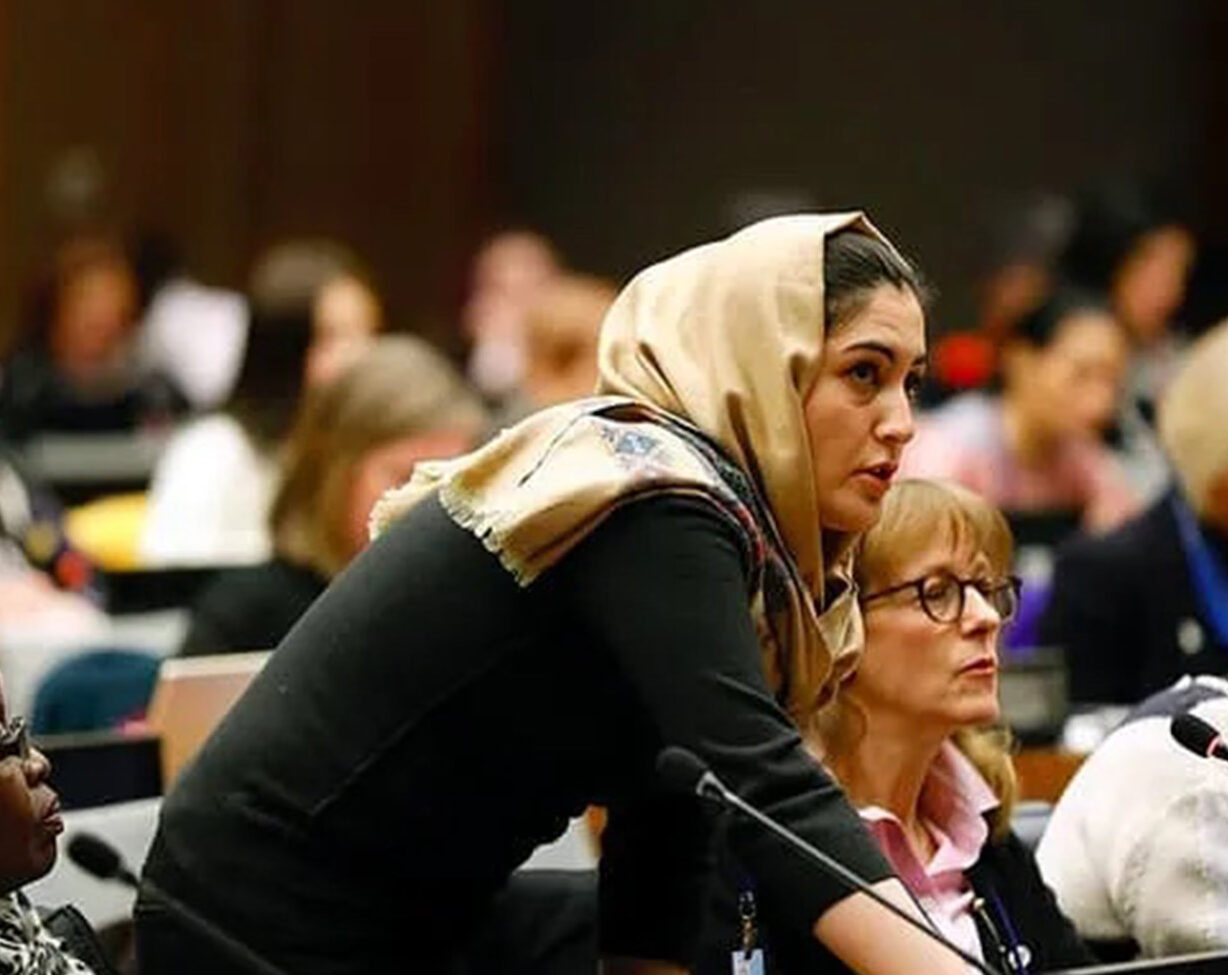
The fabric of humanitarian work in the Horn of Africa is intricately woven with the threads of gender. Male and female workers confront unique challenges and different societal expectations. For women, cultural norms often dictate their roles, limiting their participation in decision-making processes. Yet, their understanding of local dynamics can be pivotal in achieving effective aid distribution and community engagement. Women humanitarian workers frequently bring an unmatched perspective to issues like maternal health, child nutrition, and sanitation during crises, which are acutely affected by drought.
4. Women as Agents of Change
The resilience demonstrated by female humanitarian workers transforms them into agents of change. They not only deliver aid but also empower women in affected communities. Training sessions led by these workers often focus on sustainable agricultural practices, water conservation, and the health impacts of drought. By equipping other women with knowledge and resources, they initiate a ripple effect, fostering community resilience against the existential threats posed by environmental degradation.
5. The Challenges Women Face
Despite their capability, female humanitarian workers encounter significant barriers. Gender-based violence remains a pervasive risk in crisis situations. Traveling alone in remote areas can expose women to danger, and they often grapple with systemic discrimination within organizations, limiting their progression into leadership roles. There are instances where their voices are marginalized in discussions, with the proxy of patriarchal norms overshadowing their contributions and insights.
6. The Intersection of Policy and Practice
The crucial intersection between policy-making and ground-level practices cannot be overstated. As the effects of drought take root, the calls for sustainable practices and gender-responsive frameworks grow louder. Humanitarian organizations must pivot towards inclusive policies that recognize the unique roles both men and women play in these crises. Gender-sensitive programming, merely a buzzword in an idealistic lexicon, must find its practical applications in the field, ensuring that interventions meet the needs of diverse populations.
7. Best Practices and Case Studies
Examining successful interventions across the Horn of Africa offers valuable insights into best practices. Programs that have integrated women into leadership roles have demonstrated a significant increase in community participation and effectiveness of aid distribution. Workshops tailored to educate men on gender equality have begun to dismantle age-old stereotypes, yielding a more collaborative approach to humanitarian assistance. These case studies not only highlight success but also underscore the necessity of collective responsibility in tackling drought-related challenges.
8. Moving Beyond Temporary Solutions
Humanitarian aid often resembles a Band-Aid solution to a gaping wound. For the Horn of Africa, achieving long-term sustainability means transcending short-term relief efforts. Structural changes must incorporate environmental, economic, and social facets into response strategies. Such an approach acknowledges the interdependence of communities and the environment, cultivating resilience beyond immediate crises.
9. The Future of Humanitarian Work in the Region
Looking ahead, the role of gender in humanitarian work will likely evolve. With increasing awareness of the multifaceted nature of crises, it is expected that both local and international organizations will amplify their focus on gender-responsive practices. Empowered women—both as leaders in humanitarian efforts and as vital community members—will be pivotal in fostering resilience against the cyclical nature of drought. Such foresight and adaptive strategy are fundamental if the region is to overcome its recurrent challenges.
Conclusion
Gender dynamics within humanitarian work in the Horn of Africa illuminate the essential narratives of both hardship and hope. The persistent drought underscores an urgent call to action, while the contributions of female humanitarian workers serve as a testament to resilience and ingenuity. Recognizing and addressing the complexities of gender roles is not merely an academic pursuit; it is essential for effective humanitarian response, sustainable development, and a brighter future for communities in the face of climate adversity.