In an era dominated by technological advancements, innovative solutions are emerging to address some of the most pressing social issues of our time. One such initiative is the Gbis Anti Trafficking App Contest, a compelling endeavor designed to combat human trafficking through the power of mobile technology. This contest has garnered attention not just for its potential impact but also for reshaping perspectives regarding the fight against this harrowing crime. As we delve into the nuances of this contest, we will examine its premise, its implications, and the groundbreaking ideas it has sparked.
The Gbis Anti Trafficking App Contest invites developers, technologists, and innovators to create mobile applications that can assist in identifying and preventing human trafficking. At its core, the contest aims to leverage the ubiquitous nature of smartphones to disseminate crucial information, facilitate reporting mechanisms, and ultimately empower vulnerable populations. The urgency and relevance of this initiative are underscored by the staggering statistics that reveal the prevalence of human trafficking worldwide—an estimated 40 million individuals are victims of modern slavery. Thus, the contest serves as a clarion call for innovative thinking, encouraging participants to envision solutions that could lead to significant changes in this grim reality.
One of the most intriguing aspects of the contest is its ability to foster collaboration among different sectors. Developers are encouraged to form alliances with NGOs, law enforcement agencies, and community organizations, creating a multifaceted approach to combatting trafficking. This collaborative spirit is essential; a successful app must not only function well in a technological sense but also resonate with the needs and experiences of those most impacted. By facilitating these partnerships, the contest highlights the importance of multidisciplinary approaches in addressing complex social issues, broadening the scope of innovation beyond mere technological ingenuity.
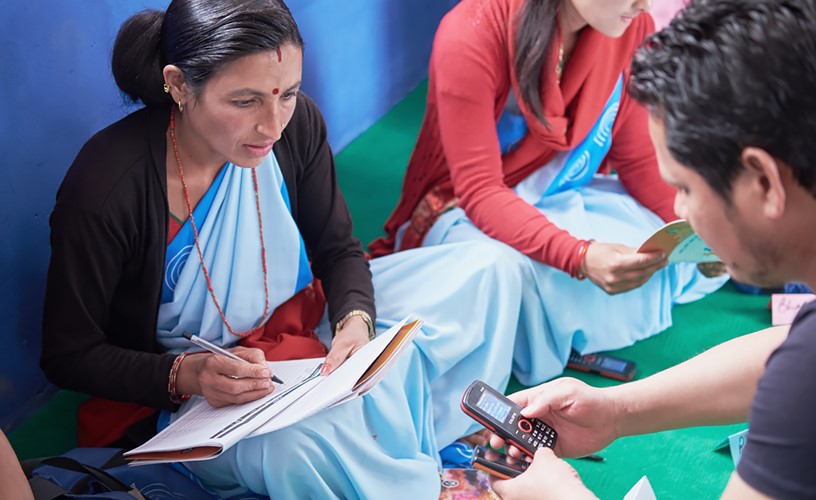
Participants are tasked with developing apps that can tackle various dimensions of trafficking. For instance, certain applications may focus on improving the reporting mechanisms for victims and bystanders. These apps could provide discreet channels for individuals to alert authorities or support services without instigating further risk. Imagine an app that employs geolocation services to connect users with nearby help while ensuring the user’s safety and anonymity. Such tools could revolutionize how victims seek assistance, breaking down barriers that have historically left many in silence.
Another critical area of focus is raising awareness. Many individuals remain uninformed about the signs of trafficking or how to intervene. Innovative app concepts could incorporate educational resources, empowering users with knowledge about the red flags indicative of trafficking situations. By equipping them with the right information, the apps can transform ordinary citizens into vigilant allies in the fight against this global epidemic. This paradigm shift—transforming passive observers into proactive participants—underscores the potential transformative power of technology in advocacy.
Furthermore, the intersection of technology and artificial intelligence holds fascinating possibilities for the contest’s entries. Participants are encouraged to harness algorithms and machine learning to analyze vast amounts of data related to trafficking trends. For instance, apps could integrate predictive analytics to identify patterns that may lead to trafficking, allowing law enforcement and service providers to allocate resources more effectively. By employing a data-driven approach, the future of anti-trafficking initiatives could become markedly more accelerated and informed, enabling timely interventions where they are most needed.
As the contest unfolds, the emphasis is not solely on generating viable applications but also on promoting awareness about human trafficking itself. Events related to the contest may include panel discussions, workshops, and public lectures designed to educate participants and the broader public. This symbiotic relationship between technology and consciousness-raising efforts amplifies the contest’s impact, transforming it into a multifaceted campaign that transcends mere app development.
In a global context, the Gbis Anti Trafficking App Contest resonates particularly strongly in regions where the incidence of trafficking is prevalent. By involving local communities in the ideation process, apps can be customized to cater to the specific cultural and economic realities of those communities. The potential for localized solutions that leverage local knowledge demonstrates a commitment to inclusivity and relevance in tackling trafficking, enhancing the effectiveness of interventions.
The prize for the contest is not just monetary; it is an opportunity to catalyze change on a monumental scale. The winning applications will have the potential to be adopted widely, making their mark in a field that has historically been fraught with challenges. The acknowledgment of innovative solutions through this contest raises the stakes, inspiring others to contribute their ideas and further expand the toolkit available to combat trafficking.
Looking ahead, the Gbis Anti Trafficking App Contest is more than a competition; it is a pivotal initiative suggesting that change is not only necessary but achievable. As it captures the imagination of developers and humanitarians alike, it challenges existing narratives surrounding human trafficking, encouraging a fusion of technology, activism, and societal engagement. The potential outcomes could redefine how societies respond to trafficking, evolving from mere awareness to active prevention. This contest invites all of us to be part of a solution—one that promises to be as transformative as it is urgent. Embracing this opportunity may illuminate paths toward eradicating one of the gravest moral crises of our time.