The journey from the Arab Spring to the Russian Winter embodies a narrative of transformation, upheaval, and the inexorable cycles of political change. This path connects diverse nations and cultures while delineating a complex geopolitical tapestry. Each segment of this journey illustrates distinct themes and phenomena including popular uprisings, the repercussions of authoritarian governance, and the stark realities of national identity in the face of global dynamics. Below, explore the multifaceted implications and outcomes that characterize this tumultuous narrative.
1. The Eruption of Revolutionary Zeal
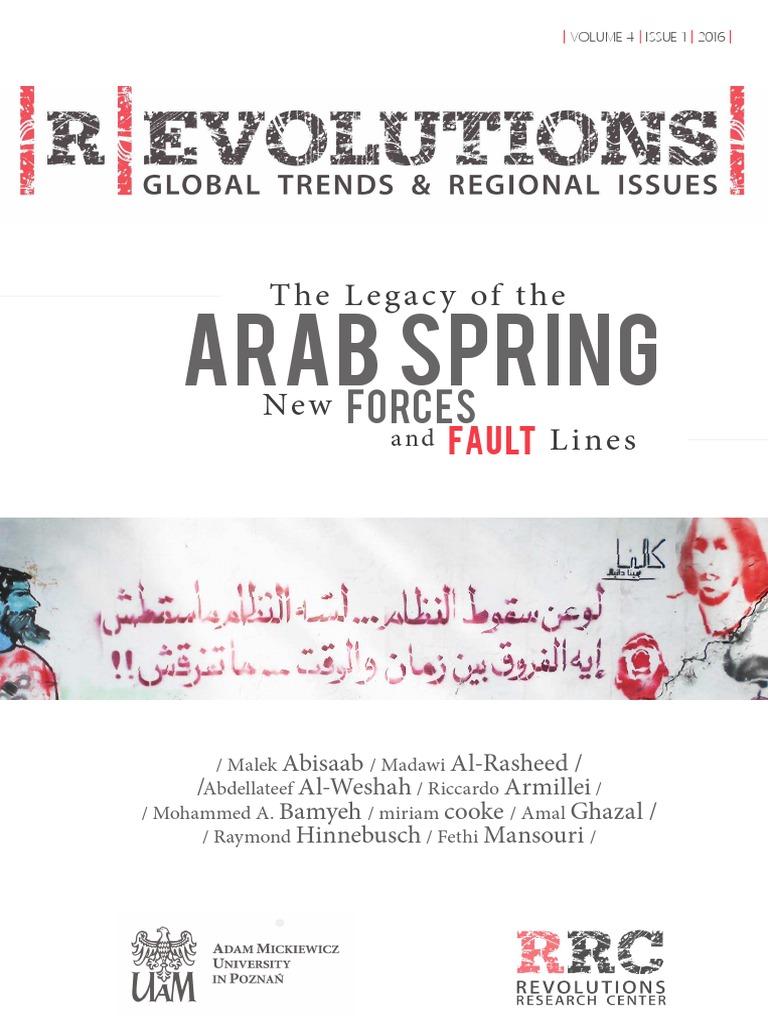
The inception of the Arab Spring in late 2010 marked a paradigm shift across the Middle East and North Africa (MENA). Spurred by pervasive discontent over autocratic regimes and socioeconomic grievances, citizens took to the streets demanding democratic reforms. The vibrant use of social media served as both a tool for mobilization and a platform for transcending geographical boundaries. The fervor emanating from Tunisia spread like wildfire to Egypt, Libya, and Syria, each nation resonating with the collective call for liberty and justice.
In Egypt, the iconic Tahrir Square stood as a symbol of hope and defiance against Mubarak’s long-standing rule. The enthusiasm, however, was met with subsequent disillusionment, as power vacuums and sectarian divides complicated the nascent democratic aspirations. The cascading effects rippled through the region, challenging the status quo and prompting a re-evaluation of historical allegiances and ideologies.
2. The Specter of Authoritarian Resurgence
While the Arab Spring ignited aspirations for democratic governance, the aftermath bore witness to a grim reversion to authoritarianism in several nations. Countries such as Egypt experienced a counter-revolutionary wave, with the military reclaiming substantial influence and effectively reversing many of the gains achieved during the uprisings. This resurgence of autocratic governance raised poignant questions about the resilience of civil society and the durability of revolutionary sentiments.
In Syria, the descent into civil war starkly illustrated the catastrophic fallout of a brutal regime clinging to power. The regime’s violent suppression of dissent catalyzed international intervention and fostered a complex web of sectarian strife. The humanitarian crisis that ensued painted a tragic portrait of a nation torn asunder, solidifying the notion that revolutions, while noble in their intentions, can lead to unforeseen and harrowing consequences.
3. The Geopolitical Dynamics
The reverberations of the Arab Spring extended beyond national borders, dramatically altering the geopolitical landscape. The United States, once a dependable ally of many defunct regimes, grappled with its foreign policy in the age of apparent upheavals. The oscillation between supporting democratic movements and safeguarding strategic interests created a precarious balancing act.
Amidst these shifts, external powers—most notably Russia and Iran—seized the opportunity to solidify influence in the region, often positioning themselves as champions of state sovereignty against Western interventions. This complex interplay heightened regional tensions while foregrounding the role of non-state actors, like ISIS, who sought to exploit the chaos for their ideological ends. Consequently, the geopolitical landscape evolved into a tableau of competing interests and alliances.
4. The Emergence of Polarizing Ideologies
As the Arab Spring’s reverberations echoed globally, disparate ideologies began vying for legitimacy and dominance. The rise of political Islam, epitomized by groups like the Muslim Brotherhood, posed a direct challenge to secular governance models, igniting fervent debates regarding the compatibility of democracy and religious governance. This ideological chasm underscored differing visions for society, further fragmenting socio-political fabrics within various countries.
Conversely, nationalist movements began to reassert themselves as a counterbalance to the more cosmopolitan aspirations of the Arab Spring. Countries like Egypt and Turkey illustrated a resurgence of nationalist sentiment, driven by a desire to reclaim cultural identities in an increasingly globalized world. These phenomena spotlighted the juxtaposition between globalism and nationalism, creating a battleground for competing narratives.
5. Shifting Focus: From the Arab World to Russia
As the tumult in the Middle East continued to oscillate between hope and despair, attention began shifting toward Russia, particularly under the aegis of President Vladimir Putin. Entering the contemporary geopolitical narrative, Russia exemplified a distinct form of governance characterized by an erosion of democratic principles and a disconcerting consolidation of power. The Russian Winter, symbolic of both climatic severity and socio-political rigidity, emerged as a stark contrast to the revolutionary fervor witnessed in the Arab states.
Putin’s regime employed a blend of nationalism and strategic machinations to reinforce its authority, often projecting Russian power onto the international stage. The annexation of Crimea and involvement in the Syrian conflict marked pivotal moments in asserting Russian influence, simultaneously showcasing a willingness to employ military force to attain geopolitical objectives.
6. Interconnected Narratives: Reflections on Change and Continuity
Connecting the threads of the Arab Spring and the Russian Winter illuminates the complex nature of political evolution. The stark contrasts between these two phenomena serve as a reminder that the aspirations of the masses are often met with formidable resistance from powerful establishments unwilling to yield. This juxtaposition accentuates the intricate dynamics of power, identity, and resistance in the 21st century, manifesting the perpetual struggle for agency within the complex web of global politics.
Ultimately, the journey from the Arab Spring to the Russian Winter is emblematic of an ongoing saga of conflict, renewal, and the perennial quest for balance in a world fraught with contradictions. It is a narrative that transcends borders, echoing the universal desire for dignity, justice, and the indomitable spirit of humanity amidst adversity.