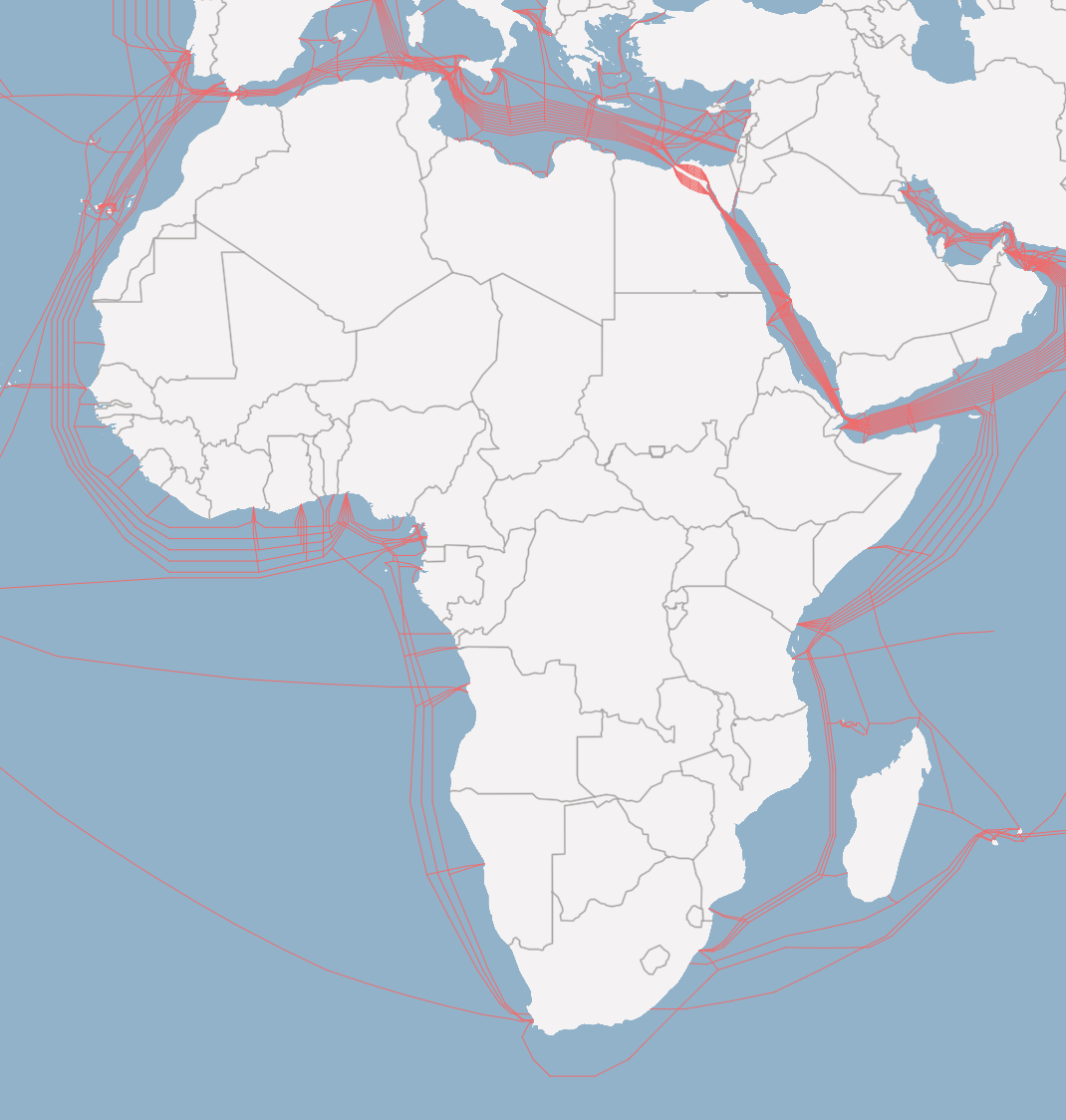
In recent years, the landscape of telecommunications in East Africa has witnessed transformative advancements, propelled by the strategic deployment of fiber optic cables. The intricate web of optical fibers has already enhanced connectivity in several countries, but an exciting development is on the horizon: the extension of fiber optic cables to three more East African nations. This expansion promises not only to revolutionize communications but also to ignite economic growth, foster innovation, and reframe societal interactions.
The first of these nations poised to benefit from this infrastructural leap is Tanzania. Historically, Tanzania has grappled with connectivity challenges, particularly in its rural and underserved regions. By introducing fiber optic cables, the country anticipates a seismic shift in its digital ecosystem. The clarity and speed of fiber optic technology far surpass traditional copper wires, offering bandwidth that can accommodate the growing demands of the digital age. As rural schools gain access to high-speed internet, educators can harness the wealth of online resources, bridging the educational divide. This shift inadvertently fosters a culture of innovation, where young minds can explore, create, and contribute to the global digital economy.
Next on the list is the vibrant nation of Uganda, known for its youthful population and burgeoning tech scene. The extension of fiber optic networks into Uganda presents a unique opportunity to nurture local startups and elevate the nation’s status as a regional tech hub. With greater access to reliable internet, entrepreneurs and tech enthusiasts can collaborate seamlessly, share ideas, and launch new ventures without the constraints of poor connectivity. Moreover, telecommunication companies are likely to invest in expanding their service offerings, resulting in competitive pricing that will benefit consumers across the socio-economic spectrum. Enhancing Uganda’s digital infrastructure is poised not only to stimulate economic growth but also to amplify the voices of the underserved, empowering them through improved access to information and communication channels.
Burundi, frequently overlooked in discussions about technological advancement, stands to gain immensely from the fiber optic revolution. As one of the smallest nations in East Africa, its development has often been stifled by limited infrastructure. The arrival of fiber optic cables heralds a new era that can significantly bolster Burundi’s international standing. For a country emerging from past conflicts, improved connectivity could facilitate cross-border trade and tourism. Local businesses could engage in e-commerce, expanding their reach beyond national borders. Furthermore, access to high-speed internet can catalyze improvements in healthcare delivery, allowing telemedicine to flourish. Healthcare professionals can consult with specialists globally, ensuring that the population receives timely and effective medical care.
While the promise of fiber optic cables is tantalizing, it is essential to acknowledge some fundamental challenges that could accompany this transition. Historically, such infrastructural projects have faced hurdles in implementation, ranging from political instability to financial constraints. The collaboration among governments, private investors, and international organizations will be crucial to mitigate these obstacles. Strategic partnerships can pave the way for not only funding but also the sharing of expertise necessary for the successful rollout of these projects.
As we envision the effects of this fiber optic expansion, it is imperative to consider its broader social implications. Enhanced connectivity can influence societal perspectives significantly. Communities previously isolated from the world can engage with global narratives, share their stories, and participate in cultural exchanges. The extension of fiber optics can serve as a conduit for collaboration among nations, fostering regional integration and cooperation. Citizens may increasingly view themselves as part of a larger global community, encouraging a collective approach to tackling shared challenges such as climate change and public health crises.
The economic ramifications of these advancements extend well beyond the immediate benefits of improved internet access. With enhanced telecommunications infrastructure, foreign investment is likely to surge. Multinational corporations often seek environments where seamless digital communication and reliable connectivity can drive business operations. This influx of investment can stimulate job creation, foster skill development, and ultimately uplift communities from poverty. As local populations adapt to new technologies, the creation of a digitally literate workforce will empower the youth, equipping them with the skills needed for the jobs of the future.
In conclusion, the extension of fiber optic cables to three additional East African nations—Tanzania, Uganda, and Burundi—holds immense promise for transforming the sociocultural and economic fabric of the region. This initiative fosters a paradigm shift in how these nations perceive their place in the global arena. With this wave of enhanced connectivity, East Africa is not merely catching up to the rest of the world; it is poised to emerge as a formidable player on the global stage. The question remains: how will these nations harness the potential of their newly connected environments to inspire a brighter future for their citizens? Only time will unveil the full implications of this technological leap, but the curiosity it ignites is sure to resonate for years to come.