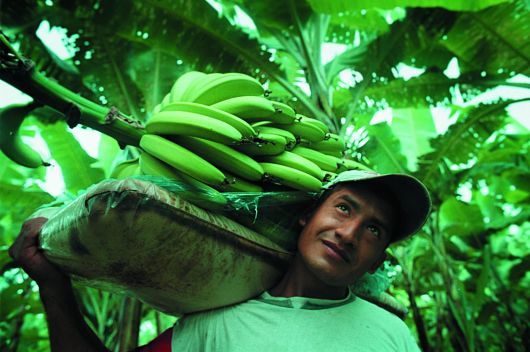
Ecuador, renowned for its lush landscapes and unparalleled biodiversity, has long been a beacon of banana production globally. As the country strives to fortify its position as a leader in fairtrade practices, many farmers are increasingly turning to digitalization. This transformative journey not only augments productivity but also enables them to embrace sustainable practices and enhance their market reach. In this article, we delve into the various aspects of how Ecuadorian fairtrade banana farmers are digitalizing their operations and the myriad benefits that this leap into the digital realm entails.
1. The Historical Context: A Legacy of Banana Farming
Banana farming in Ecuador is not merely an economic activity; it is a cultural cornerstone steeped in tradition. For decades, smallholder farmers have cultivated this delectable fruit, often facing challenges such as fluctuating market prices, climatic adversities, and suboptimal working conditions. The adoption of fairtrade principles has been a pivotal movement, ensuring that farmers receive equitable compensation and enabling them to reinvest in their communities.
2. The Digital Leap: Bridging Tradition and Technology
Digitalization represents a significant paradigm shift for Ecuadorian farmers, who have traditionally relied on word-of-mouth and local markets to sell their produce. The introduction of software tools, mobile applications, and online platforms facilitates a seamless connection between farmers and consumers. This integration of technology allows farmers to monitor crop health, optimize logistics, and manage financial records with unprecedented efficiency.
3. Enhanced Communication: Cultivating Connections
One of the foremost advantages of digital tools is improved communication. Farmers can leverage social media platforms and messaging applications to engage with buyers directly. This immediate interaction not only fosters transparency but also cultivates a sense of community among farmers. Digital communication reduces the dependency on middlemen, allowing farmers to retain a larger share of the profits, thereby ensuring financial stability.
4. Precision Agriculture: The Smart Farming Revolution
Digitalization heralds a new era in agricultural practices known as precision agriculture. By utilizing sensors, drones, and satellite imagery, farmers can collect real-time data on soil conditions, moisture levels, and crop health. This data-driven approach enables them to tailor their farming strategies, optimizing resource usage and minimizing waste. Through precision agriculture, banana farmers can achieve higher yields while adhering to sustainable practices that align with fairtrade principles.
5. E-commerce Platforms: Expanding Market Access
The eruption of e-commerce has transformed the landscape of banana sales. Farmers can now tap into global markets by listing their products on various online platforms. This digital marketplace not only widens their customer base but also enhances brand visibility. With consumer preferences leaning towards ethically produced goods, fairtrade bananas are gaining traction among conscious consumers worldwide, thus improving sales prospects for Ecuadorian farmers.
6. Supply Chain Optimization: Streamlining Processes
Digital tools can dramatically enhance the banana supply chain from farm to table. Advanced logistics software equips farmers with the ability to track shipments, manage inventory, and forecast demand. Such technological integration ensures that bananas are delivered promptly, reducing spoilage and enhancing freshness. This optimization of the supply chain is crucial in maintaining the quality that consumers have come to expect from Ecuadorian bananas.
7. Financial Management: Empowering Sustainability
For many smallholders, financial management has long been an intricate and daunting task. Digital solutions offer tailored financial management tools that allow farmers to monitor expenses, plan budgets, and secure loans. By having clearer visibility of their financial health, farmers can make informed decisions about reinvesting in their farms. Moreover, these tools facilitate access to microfinance programs designed specifically for fairtrade producers, empowering them to implement sustainable practices without incurring substantial debts.
8. Training and Capacity Building: Fostering Digital Literacy
The transition to digital practices necessitates a foundation of knowledge and skills. Numerous organizations and cooperatives are actively involved in providing training sessions and workshops for farmers to enhance their digital literacy. By fostering capacities in information technology, farmers become adept at utilizing digital tools, ensuring that the benefits of digitalization are maximized. This emphasis on education not only empowers the current generation but also paves the way for future advancements.
9. Challenges Ahead: Navigating the Digital Divide
While the strides toward digitalization are commendable, challenges remain. Rural areas in Ecuador often face significant infrastructural deficits, including limited internet access and inadequate technological support. Moreover, older generations may be resistant to change, clinging to traditional methods of farming. Overcoming these barriers requires a holistic approach, combining government support, community initiatives, and private investment to create an inclusive digital ecosystem.
10. The Future: A Sustainable Path Forward
As Ecuadorian banana farmers continue to embark on this digital journey, the future appears optimistic. Embracing technology not only enhances their livelihoods but also contributes to the sustainability of the industry. This commitment to innovation, coupled with fairtrade principles, can set a benchmark for agricultural practices globally. The rise of digitalization among Ecuadorian banana farmers exemplifies how tradition and technology can coalesce to create a more equitable and sustainable food system.
In summary, the digital transformation of Ecuador’s fairtrade banana farmers represents a profound evolution in agricultural practices. With enhanced communication, precision farming, improved market access, and robust financial management, these farmers are set to redefine the future of banana production. Through concerted efforts toward education and infrastructural development, the dream of a digitally empowered agricultural community is well within reach.