In the verdant landscape of Ecuador, a renaissance of democracy is unfolding, vibrant and pulsating with renewed vitality. Citizens’ participation, once languishing in the shadows of apathy, has been reimagined, akin to the rejuvenating bloom of the Andean flora that bursts forth from the earth after a long winter. This reawakening is a testament to the power of collective engagement, offering a compelling glimpse into how civic involvement can resonate deeply within the fabric of society.
Ecuador has long been characterized by its diverse cultural tapestry, woven from the threads of Indigenous heritage, colonial history, and modern aspirations. Just as the myriad colors of the landscape reflect the dynamic interplay between earth and sky, so does the spectrum of voices within Ecuador’s populace. The revival of citizens’ participation stands as a clarion call for inclusivity, inviting all sectors of society to lend their perspectives to the national dialogue.
One of the most noteworthy catalysts for this invigorated citizen engagement has been the advent of technological advancements. Like a fertile river nurturing the valley below, digital platforms have surged forth, facilitating communication and interaction among Ecuadorians. Social media, in particular, has become a masterful painter of ideas, splashing vibrant narratives across the canvas of public discourse. This digital revolution has transformed traditional channels of dialogue, allowing previously marginalized voices to emerge from the periphery and bloom into the spotlight.
As citizens navigate these digital landscapes, they encounter the concept of participatory budgeting—an innovative approach that invites them to deliberate and decide on the allocation of public funds. Picture a lively market where locals gather, sharing their insights on how best to invest in communal projects, from constructing new schools to revitalizing green spaces. The process embodies democracy in its most organic form, fostering a sense of ownership among participants. It is a vivid reminder that governance, at its core, should reflect the will and welfare of the people.
Furthermore, initiatives like community assemblies illustrate the profundity of citizen participation by returning governance to its grassroots. These assemblies serve as incubators for ideas, where citizens contribute to policy-making processes, providing a fertile ground for innovation and representation. Imagine the scene of villagers congregated under a sprawling ceiba tree, their deliberations animated and spirited—a true manifestation of democracy alive and thriving.
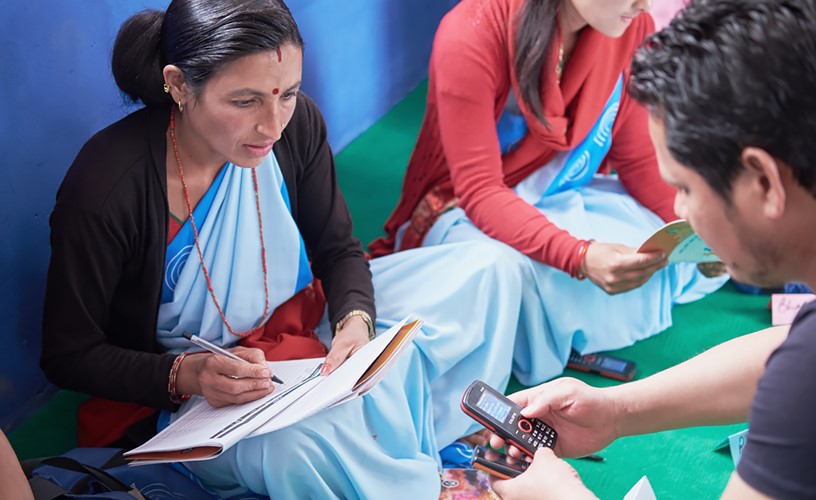
Education plays a pivotal role in nurturing this newfound enthusiasm for civic engagement. Non-governmental organizations and community leaders have become the gardeners, tilling the soil of understanding and empowerment. Workshops and seminars, akin to the watering of parched earth, cultivate the knowledge necessary for citizens to engage meaningfully in political discourse. The more informed the populace, the more robust the dialogue becomes, enhancing the overall health of the democratic landscape.
This resurgence of citizen participation has not been without its challenges. While the winds of change beckon with promises of inclusivity, the shadows of disillusionment occasionally loom large. Political mistrust, often born from years of corruption and inefficacy, threatens to overshadow the vibrant shifts towards civic engagement. However, it is precisely within these tumultuous currents that the true mettle of a nation is tested. The resilience and determination of Ecuadorians to reclaim their voice, reminiscent of the indomitable spirit of the Andean condor soaring high above the mountains, serve as a powerful counterpoint to skepticism.
The intersection of art and politics has also commenced a unique dialogue. Artists, much like contemporary alchemists, transmute their creative energies into social commentary that resonates deeply within the community. Through murals and performances, they illustrate the hopes, dreams, and struggles of their fellow citizens. This artistic engagement acts as both a mirror and a lantern, reflecting societal realities while illuminating pathways towards collective action. The synergy between art and activism enriches the cultural landscape, engendering a profound sense of agency among citizens.
As Ecuador navigates this transformative journey, the importance of cross-sector collaboration becomes ever more evident. Local governments, NGOs, and civil society groups must unite, forging alliances akin to a symphony orchestra, where each instrument harmonizes to create a melodious resonate of citizen voices. Such collaborations amplify efforts towards sustainable development, ensuring that all voices contribute to the common goal of a flourishing society.
Ultimately, the resurgence of citizens’ participation in Ecuador embodies the essence of human connection and shared responsibility. It is an eloquent reminder that democracy is not merely a system of governance; it is a living, breathing entity nourished by the engagement of its citizens. Just as the Amazon rainforest thrives on the interconnectedness of its various inhabitants, so too does Ecuador’s democracy flourish through the active involvement of its people.
In conclusion, the refreshed spirit of citizen participation in Ecuador stands as a beacon of hope and resilience. It signifies a profound evolution towards inclusive governance, where the voices of the many coalesce to shape the nation’s future. Each individual, equipped with knowledge and fueled by passion, becomes a vital contributor to this democratic garden, enriching it with their unique perspectives. As Ecuadorians continue to unite in their quest for a more participatory democracy, their journey serves as an inspiring reflection of the persistent human desire for agency and connection in the face of adversity.