In an era where technology interlaces with virtually every aspect of our lives, it seems only fitting that we harness its potential to address some of the most pressing societal issues. Today marks the launch of a groundbreaking campaign aimed at employing Information and Communication Technologies (ICTs) to eradicate violence against women. This initiative promises not only to shift perspectives but also to galvanize communities toward a collective mobilization against this pervasive issue.
The statistics are staggering and undeniably alarming. An estimated one in three women globally experiences physical or sexual violence at some point in her life, and the repercussions are not confined to the individual. Families, communities, and entire nations bear the brunt of this systemic problem. Yet, within this darkness, the advent of ICTs dawns as a beacon of hope. This campaign seeks innovative ways to leverage technology—such as mobile applications, social media platforms, and data analytics—to foster awareness, education, and actionable steps to combat this heinous violence.
Understanding ICTs: The Pulse of Modern Connectivity
In the digital age, ICTs serve as an omnipresent force, bridging divides and championing communication across geographical and socio-economic barriers. Social media platforms have transformed into tools for advocacy, allowing victims to share their stories, thus breaking the veil of silence often cast by stigmatization. Furthermore, mobile applications can provide essential resources, offering safety tips, emergency contacts, and even avenues for legal assistance, all at the fingertips of the users.
As the campaign unfolds, the utilization of data analytics will be paramount. By analyzing trends, responses, and the effectiveness of various interventions, advocates will be equipped with powerful insights that can mold future strategies. This alignment of technology with humanitarian goals offers not only the means to address immediate issues but also the vision to transform the societal framework that perpetuates violence against women.
Breaking Barriers: Education and Awareness Through Technology
Education remains one of the most effective tools in the arsenal against violence. However, traditional methods often fail to reach marginalized communities. This campaign’s innovative approach seeks to implement e-learning modules that can be accessed through smartphones, tablets, or computers. By delivering content in engaging formats—such as videos, podcasts, and interactive quizzes—education around consent, respect, and healthy relationships becomes not only accessible but also compelling.
Additionally, virtual workshops and webinars can bring experts and survivors together to discuss stories of resilience and recovery. The interactivity afforded by ICTs allows participants to ask questions in real-time, demystifying processes that have historically felt inaccessible. With the campaign’s emphasis on sharing knowledge digitally, a new generation can emerge—armed with the understanding that violence against women is not normative and that there are pathways to intervention and support.
Community Engagement: From Local to Global
One of the paramount strengths of this campaign lies in its ability to facilitate community engagement on both local and global scales. Community-driven digital platforms can empower individuals to discuss their experiences and solutions, fostering a sense of camaraderie and solidarity. For instance, community forums hosted online can gather voices from various demographics, ensuring that women from all walks of life find representation and support.
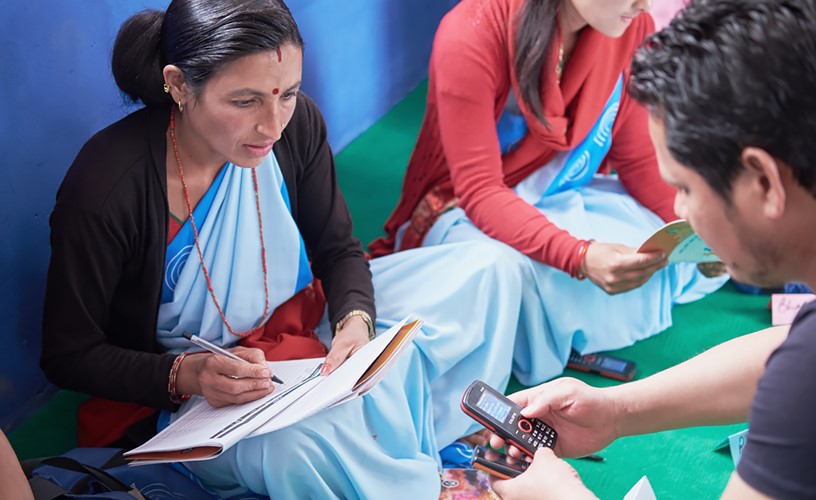
Moreover, the campaign encourages collaborations with local organizations, offering technological training sessions to equip advocates with the tools to utilize ICTs effectively. By forging partnerships with tech companies, they can provide resources that enable communities to not only advocate but also build sustainable programs that protect and empower women.
Envisioning a New Paradigm: Policy and Legislative Initiatives
While grassroots movements play an invaluable role in the fight against violence, influencing policy is equally critical for instigating structural change. This campaign encourages the incorporation of ICT innovations into policy discussions, urging governments to recognize the value of technology as a tool to combat violence against women. Policymakers are called upon to create legislation that embraces digital solutions, allocating funding for initiatives that enhance technological access for at-risk populations.
With a shift toward a comprehensive framework that supports technological integration, we pave the way for a nonviolent society. The campaign acts as a catalyst for collaborative dialogues between various stakeholders—including governments, NGOs, tech companies, and community organizers—coalescing efforts to create holistic strategies aimed at enduring change.
Empowerment Through Engagement: The Digital Frontier
As this campaign commences, the call to action resonates louder than ever: a plea for individuals to engage with the digital frontier. Social media users can lend their voices to raise visibility, advocating for the rights of women and sharing educational resources. The campaign’s hashtag—crafted to rally a global conversation—invites everyone to participate and reflect on their roles within their communities.
Furthermore, by prioritizing storytelling, the campaign allows survivors to guide the conversation, elucidating their struggles and triumphs. Such narratives serve as powerful testimonies that inspire empathy, understanding, and ultimately, action. In a world often characterized by indifference, this campaign stands as an urgent reminder of our collective responsibility to foster an environment devoid of violence.
As the journey unfolds, the campaign to utilize ICTs to end violence against women invites society to envision a future where technology—and indeed all of humanity—works tirelessly in the service of healing and empowerment. Together, through innovation and solidarity, a paradigm shift looms on the horizon, promising that the ceaseless fight against violence can indeed reach a profound resolution.