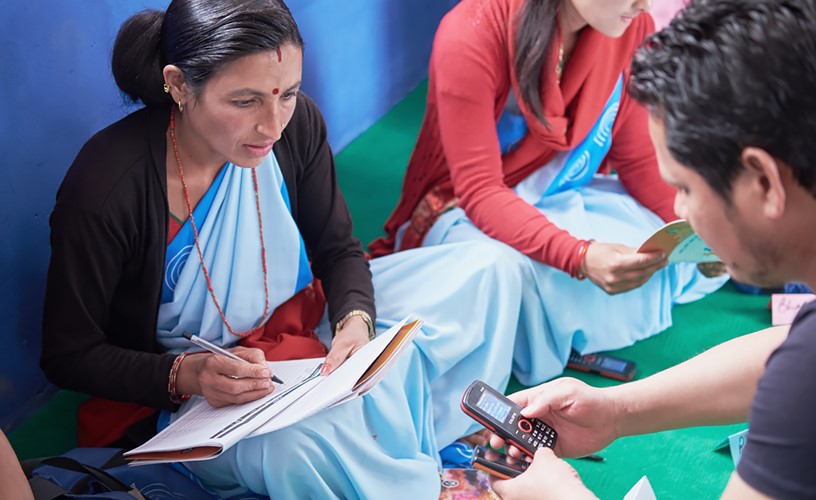
In the heart of many West African communities, the production of shea nut products proliferates, fostering livelihoods and bridging economic divides. Yet, for women engaged in this age-old tradition, challenges abound. Enter smartphones—a modern tool that has transformed not only communication but also business dynamics for women in shea nut production. The convergence of tradition and technology is revolutionizing this sector, ultimately catalyzing empowerment and economic stability.
At the forefront of this transformation are numerous women who meticulously harvest shea nuts, turning them into coveted shea butter, oils, and cosmetics. Despite their craftsmanship, many face barriers such as limited access to larger markets or minimal marketing resources. This reality hints at a deeper issue: the innate potential of these women and their products often remains obscured by infrastructural inefficiencies. However, smartphones extend a lifeline on multiple fronts, providing opportunities for engagement, education, and economic prosperity.
1. Enhanced Connectivity: Breaking Geographical Barriers
Historically, many women in remote communities were confined to local markets, their stunning shea products rarely reaching consumers beyond their own villages. Smartphones have dismantled geographical barriers. With a smartphone in hand, women can now connect with wholesalers and retailers across vast distances. Online platforms facilitate the discovery of new markets, and communication tools like WhatsApp enable instant negotiations and relationship building with potential buyers, fostering a global trade network that was once unimaginable.
2. Digital Literacy: Cultivating Skills for Success
As women embrace smartphones, digital literacy emerges as a pivotal resource. Workshops aimed at educating women on smartphone use proliferate, nurturing a generation of digitally astute entrepreneurs. From navigating financial apps to utilizing social media for marketing, these skills bolster their confidence. Information regarding pricing trends, market demands, and sustainable harvesting practices is now merely a click away, enriching their understanding of how to position themselves strategically in the market.
3. E-Commerce: Expanding Market Access
The advent of e-commerce platforms further democratizes access to market opportunities. Women can sell their shea nut products directly to consumers worldwide via various online marketplaces. This disruption not only enhances profit margins by circumventing middlemen but also allows artisans to establish their brands. As they craft compelling narratives around their products—highlighting the ethical and sustainable nature of their work—they attract a growing audience that values authenticity.
4. Social Media: Amplifying Voices and Products
In an era dominated by social media, these women can showcase their stories and craftsmanship more vividly. Platforms like Instagram and Facebook serve as amplifiers, curating visual exhibitions of their products and processes. With a few strategically placed hashtags, the world can witness the intricate journey of shea butter from nut to skin. This visibility builds brand recognition, engenders customer loyalty, and fosters a sense of community among consumers passionate about supporting women-owned businesses.
5. Financial Inclusion: Navigating Challenges with Ease
Accessing financial services has long been a chronic hurdle for women in rural areas, often stymied by a lack of documentation or banking facilities. However, mobile banking services have proliferated, providing a convenient avenue for women to manage their finances. These platforms facilitate transactions, savings, and microloans, allowing business expansion without the crippling needs of traditional banking systems. Through smartphones, women can monitor their cash flow, investing wisely into their businesses or diversifying their product lines.
6. Community Building: Strength in Collaboration
The smartphone revolution generates an ecosystem of collaboration among women entrepreneurs. Online forums and local networks foster knowledge sharing, mentorship, and partnership opportunities. Women can share best practices, whether that involves refining production methods or marketing strategies. This community-centric approach engenders resilience, transforming the competitive landscape into one of collective growth and shared success. As women refine their strategies collectively, the entire sector benefits from better quality products, improved marketing techniques, and enhanced customer satisfaction.
7. Sustainable Practices: Advocating for Eco-conscious Production
Smartphones also play a crucial role in promoting sustainable practices. Educational resources about eco-friendly harvesting and production techniques abound online. Women can learn how to produce high-quality shea products while preserving their environment. By advocating for sustainable practices, these women not only attract conscious consumers but also ensure the longevity of their natural resources. With increased awareness of global environmental issues, aligning business practices with ecological mindfulness becomes a powerful selling point.
8. Future Directions: Innovating for Progress
The landscape of women-led shea nut businesses is continually evolving. As technology advances, future innovations could pave the way for even greater efficiencies and opportunities. Applications that facilitate direct connections between producers and consumers, provide real-time tracking of market trends, or enhance educational resources could revolutionize the sector further. Moreover, embracing emerging technologies, such as blockchain for transparency in transactions, may further solidify their place in global markets.
In conclusion, the intersection of smartphone technology and shea nut production heralds an unprecedented era for women entrepreneurs. By dismantling barriers to communication, marketing, and education, smartphones are not merely tools; they are catalysts for change. As these women harness the power of technology, they sculpt pathways to economic empowerment, redefine traditional roles, and inscribe their stories into the annals of commerce. The shea nut sector stands as a testament to the boundless potential when innovation meets tradition, with women at the helm steering towards a prosperous future.