In the heart of Africa, a riveting transformation is underway among the continent’s agricultural community. With the support of the IFC Soros Economic Development Fund (SEDF) and the innovative platform Esoko, African farmers are receiving an unprecedented boost to their productivity and sustainability. This partnership transcends mere financial aid; it embodies a commitment to empowering local farmers, thereby addressing fundamental challenges that have historically impeded agricultural success in the region. Here, we explore how these initiatives are shaping the future of agriculture in Africa in impactful ways.
1. Understanding the Challenges Faced by African Farmers
To appreciate the depth of this initiative, it is essential to acknowledge the challenges African farmers have long confronted. Limited access to financing has shackled potential growth, leaving many unable to invest in necessary resources like seeds, fertilizer, and technology. Insufficient market information has often resulted in poor decision-making, and climate-related adversities further exacerbate these challenges. As they navigate between subsistence farming and the insatiable demands of commercial agriculture, these farmers are caught in a web of difficulties that can feel insurmountable.
2. The Role of the IFC Soros Economic Development Fund
The IFC Soros Economic Development Fund plays a vital role in altering this narrative. This fund is dedicated to economic development by investing in promising sectors and enterprises across Africa. With a focus on agribusiness, the fund seeks to enhance agricultural productivity and provide sustainable economic opportunities. By channeling investment into agricultural supply chains, the fund aims to bolster market access and improve the livelihoods of farmers significantly.
Funding from the SEDF is not merely transactional; it fosters long-term developmental goals. It enhances agricultural infrastructure, introduces advanced farming techniques, and provides seeds that are resilient to climate threats. This shift not only improves crop yields but also instills a sense of stability in what has traditionally been a volatile market.
3. Esoko: A Revolutionary Data Platform
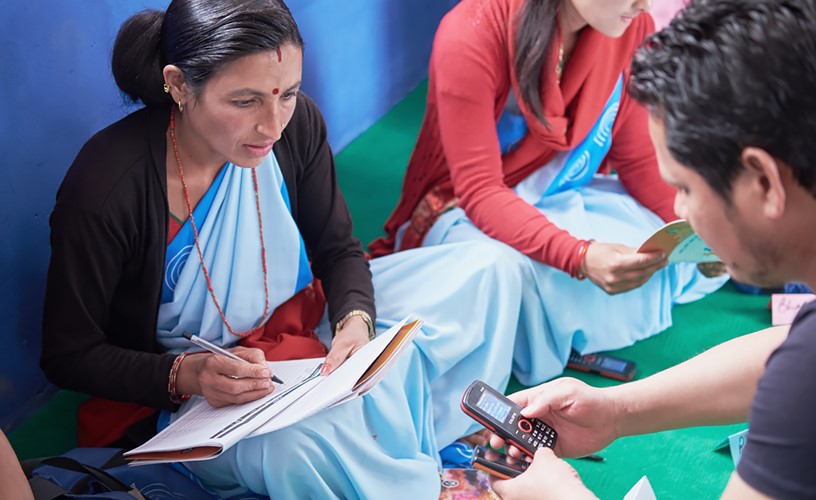
Coupled with the financial support from SEDF is Esoko, a pioneering data platform transforming how farmers interact with markets. It provides critical market information, pricing data, and weather forecasts directly to the farmers’ fingertips via mobile phones. This access to real-time information equips farmers to make informed decisions, optimize their production, and significantly increase their income margins.
By facilitating better communication between farmers and agricultural stakeholders, Esoko helps reduce the asymmetry of information that has long plagued agricultural markets. Farmers can now sell their products at fair prices, rather than settling for the offers of local intermediaries who previously dictated market terms. This empowerment begins to shift the balance of power in favor of the producers, allowing them to thrive in a competitive landscape.
4. Enhancing Financial Literacy and Access to Credit
Another cog in the wheel of agricultural rejuvenation is enhancing financial literacy among farmers. With support from IFC SEDF, several programs have been initiated to educate farmers about financial management, budgeting, and investment strategies. Understanding financial principles allows farmers to utilize their earnings effectively, while knowledge about credit options enables them to clinch funding opportunities that were previously out of reach.
The introduction of microloans and tailored financial products has also been instrumental. Farmers can now obtain the capital necessary to invest in better equipment and sustainable practices without falling prey to high-interest rates or exploitative terms. This access to capital breeds an environment of confidence, where farmers are encouraged to expand their operations and innovate.
5. Fostering Sustainability through Agroecological Practices
The partnership between the IFC Soros Economic Development Fund and Esoko doesn’t merely focus on economic gains; it embraces environmental responsibility. An integral part of enhancing agricultural productivity involves the promotion of sustainable agroecological practices. These practices not only improve soil health and biodiversity but also make farms more resilient to climate change.
Farmers are educated on crop rotation, organic farming techniques, and integrated pest management, which offer detrimental chemicals. Such practices are foundational to creating self-sustaining ecosystems. This emphasis on sustainability ensures that agricultural growth does not come at the expense of the planet’s health, creating a legacy of responsible farming for future generations.
6. Regional Collaboration and Knowledge Sharing
Central to the success of these initiatives is the fostering of collaborative ecosystems. Esoko serves as a facilitator for regional knowledge sharing, allowing farmers to learn from one another and adopt best practices from varied geographical contexts. This interaction engenders a sense of community and support, which is particularly vital in regions grappling with the pressures of globalization and climate challenges.
Workshops, training programs, and shared platforms for dialogue encourage farmers to innovate collectively, cultivating a culture of continuous improvement. It’s akin to creating an agricultural network where lessons learned in one region can save countless other farmers time, effort, and resources.
7. The Road Ahead: A Promising Future for African Agriculture
The collaboration between the IFC Soros Economic Development Fund and Esoko embodies a transformative approach to revitalizing African agriculture. By intertwining financial support with technological advancement and sustainable practices, a robust foundation is being created for future agricultural success. As farmers receive the tools to reinvent their livelihoods, the broader implications for local economies, food security, and rural development become increasingly significant.
The future is bright for the millions of farmers across Africa. With continued support and innovative solutions, an agricultural renaissance is on the horizon, poised to uplift communities, strengthen economies, and inspire the world. This journey demonstrates that with the right resources, knowledge, and collaboration, the challenges faced today can be transformed into opportunities for tomorrow.