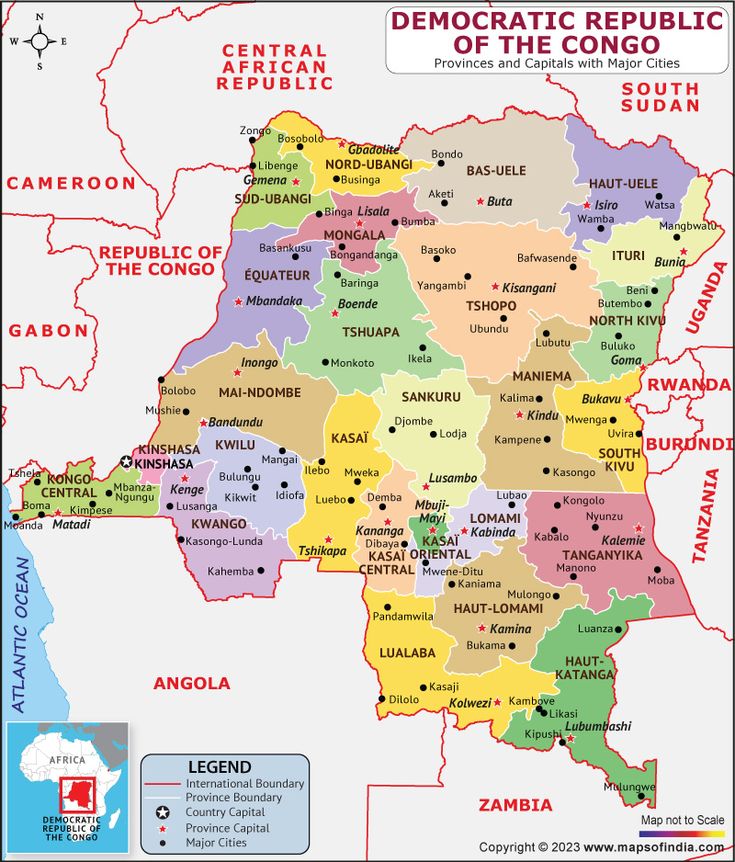
In the realm of human experience, access to knowledge often serves as both beacon and barricade, illuminating the pathways to survival during emergencies while simultaneously creating barriers that can entrap the unsheltered. This phenomenon is vividly illustrated in two disparate yet relevant contexts: the ongoing struggles in Jordan and the tumultuous situations in the Democratic Republic of Congo (DRC). Understanding the dynamics of information access in these regions unveils a tapestry of resilience, challenges, and the quintessential human need for information amidst crises.
In Jordan, a nation grappling with a multitude of socio-political pressures, the influx of refugees has transformed the landscape of knowledge dissemination. With a historical legacy as a crossroads of civilization, Jordan is now tasked with the Herculean endeavor of providing for the needs of millions. As the country navigates this complex reality, the necessity for accurate, timely information becomes paramount.
The refugee communities, often engulfed in uncertainty, face a myriad of challenges that can be alleviated through informed decision-making. Whether it be accessing healthcare, understanding legal rights, or finding employment, knowledge becomes a lifeline. Yet, just as a river may be obstructed by fallen trees, access to this vital information can be hampered by a hierarchy of languages, education, and economic disparities. The gulf between the availability of information and the actual capacity to utilize it effectively can create a perilous chasm.
Beneath the glimmer of advances in technology lies the heartbeat of community-driven initiatives. Local NGOs in Jordan have stepped forth to bridge this gap, designing programs to translate essential information into a variety of languages, ensuring inclusivity and comprehension. These efforts are akin to planting bridges over turbulent waters—transformative endeavors that nourish the roots of cooperation and understanding while fostering a spirit of collective resilience. Yet, challenges abound. Misinformation can spread like wildfire; unchecked, it can confound and dishearten even the most determined individuals. In this context, the need for consistent, reliable sources of knowledge is not merely an academic pursuit—it is a matter of life and death.
In stark contrast, the Democratic Republic of Congo provides an alarming yet poignant juxtaposition. This expanse of rich natural resources is plagued by a history of conflict, instability, and economic disparity. The DRC is a living paradox—a land imbued with wealth yet inhabited by impoverishment, where the struggle for basic knowledge often seems Sisyphean. In emergency situations, whether due to armed conflict or natural disasters, the absence of accessible, reliable information can exacerbate vulnerabilities.
The information ecosystem in the DRC is as mercurial as the waters of the Congo River. A myriad of voices clamors for attention, from governmental agencies to international organizations and local community leaders. Yet, the cacophony often obscures clarity, leaving the most vulnerable populations adrift in confusion. Amidst this chaos, grassroots organizations emerge as vital navigators, working tirelessly to disseminate crucial information about health, safety, and community resources. These efforts, however, are often undermined by infrastructural deficits, such as illiteracy and lack of internet access, inhibiting the flow of indispensable knowledge.
Misinformation, like a lurking predator, can exploit these vulnerabilities, leading individuals into dangerous situations. The prevalence of rumors during public health emergencies, such as the Ebola outbreaks, exemplifies how misinformation can create distrust and panic, further complicating humanitarian responses. Efforts to combat such misconceptions demand not only the dissemination of facts but also the cultivation of trust within communities—a monumental task requiring time, patience, and empathy.
In both Jordan and the DRC, the pressing need for access to knowledge during emergencies underscores the intertwined nature of information and survival. The metaphor of a lighthouse standing guard against tumultuous seas aptly reflects the role of reliable information sources in guiding individuals through the stormy waters of crisis. Furthermore, the evolution of technology offers promising avenues for enhancing information dissemination, as mobile applications and community radios become vital tools for empowering local populations. As the digital age ushers in new possibilities, it also raises pertinent questions about equity, representation, and the digital divide.
Strategies rooted in community engagement can metamorphose the grim landscape of misinformation into one buzzing with clarity and stability. When individuals are empowered with knowledge, they become agents of change, equipped to combat crises with resilience and ingenuity. Workshops, educational initiatives, and collaboration with local leaders can create a robust framework that upholds the transfer of critical information, standing firm against the tide of chaos.
Ultimately, the journey towards ensuring access to knowledge in emergency situations in both Jordan and the DRC offers a pertinent illustration of humanity’s enduring quest for comprehension and survival. Knowledge must not be viewed as a privilege reserved for the fortunate but rather as a universal right that enfolds all individuals in a protective embrace. Through the concerted efforts of governments, NGOs, and communities, a collective effort must be harnessed to empower individuals with the knowledge they require to navigate emergencies. In this grand tapestry of resilience, every thread of knowledge adds to the strength of the whole, creating a future where access to knowledge becomes a shield against the uncertainties of tomorrow.