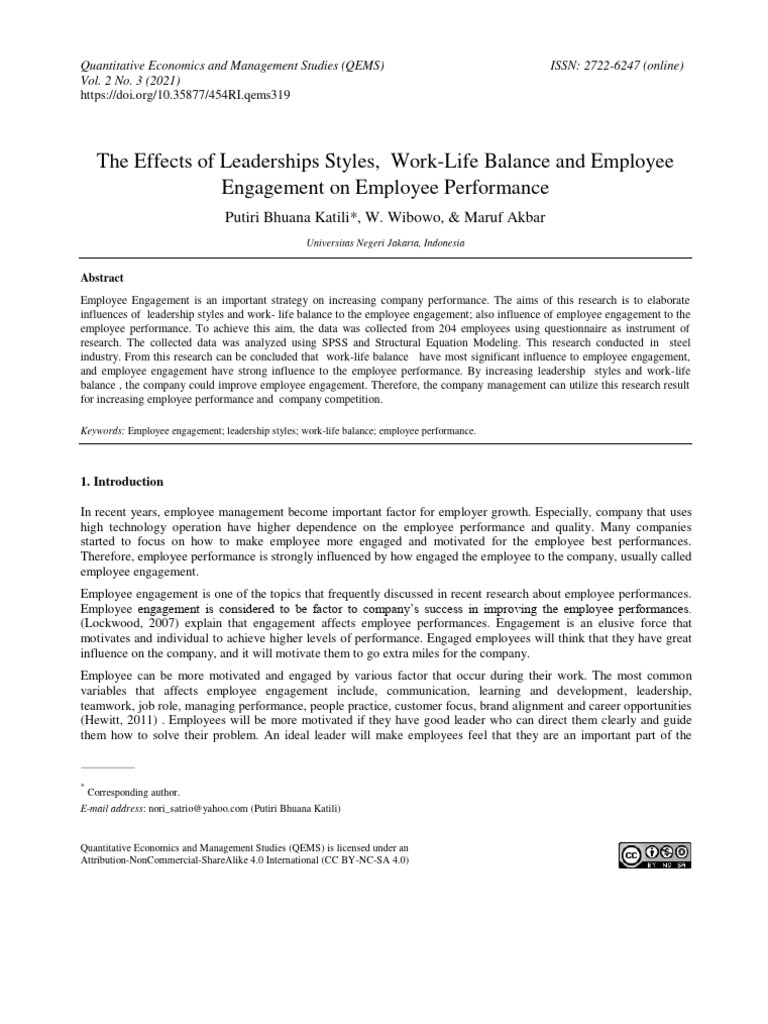
In today’s fast-paced corporate environment, the concept of work-life balance has garnered increasing attention, particularly among leaders. Have you ever considered how your own work habits impact your team? The challenge lies in striking a harmonious chord between professional obligations and personal fulfillment, fostering an atmosphere where everyone can thrive. Leaders, after all, set the tone for organizational culture, and demonstrating an exemplary work-life balance is pivotal. Here’s an extensive exploration of how leaders can set the right example.
Understanding Work-Life Balance
At its core, work-life balance refers to the equitable distribution of time and energy between professional and personal responsibilities. Achieving this equilibrium not only enhances personal well-being but also augments workplace productivity. However, the specter of burnout looms large in leadership roles, where demands can be relentlessly high. Leaders must first understand that their approach to work-life balance significantly affects their team’s dynamics.
The Ripple Effect of Leadership
Consider this: when leaders prioritize their well-being, they inadvertently encourage the same ethos within their teams. This ripple effect can cultivate a healthier workplace environment, wherein employees feel empowered to adopt similar practices. For example, when a leader openly negotiates flexible work hours to accommodate personal commitments, it signals to employees that such flexibility is not just a privilege for the few, but a universal right. It catalyzes a shift in workplace culture towards one that respects individual needs, heralding a more harmonious existence.
Identifying Ingrained Leadership Traits
Many leaders, driven by ambitious aspirations, often develop ingrained traits that can impede their own work-life balance. Consider traits such as perfectionism, an incessant need for control, or an inability to delegate tasks. Recognizing these traits is vital; it forms the foundation for transformative change. Leaders should conduct introspective assessments: Are you often the last to leave the office? Do you respond to emails after hours? These practices, while seemingly commendable, can create an unhealthy norm.
Building a Culture of Openness
To combat the primitive hustle culture that infiltrates many organizations, leaders must champion a culture of openness. Transparent dialogues about work-life balance should be held regularly. This could manifest as casual gatherings, structured meetings, or even anonymous surveys inviting feedback on workplace pressures. When employees feel heard, they’re more likely to share their challenges openly. Thus, leaders can gain insight into their team’s well-being, which is essential for nurturing a thriving organizational culture.
Prioritizing Well-Being Initiatives
Pragmatically, leaders should advocate for well-being initiatives that underscore the importance of work-life balance. Programs such as mental health days, flexible working schedules, or wellness workshops can facilitate this endeavor. By actively promoting participation in these initiatives, leaders not only benefit personally but also foster an environment where employees recognize that their well-being is paramount. It’s essential for leaders to be not mere proponents, but participants in these programs to truly illustrate commitment.
Creating Space for Disconnect
In our hyper-connected world, the lines between work and personal life often blur. Leaders must consciously create space for disconnect. Encourage team members to curtail after-hours correspondence, and establish a norm where weekends are sacred. This could include implementing “email-free weekends” or instituting “no meeting Fridays,” providing crucial downtime for rejuvenation. When leaders respect these boundaries, employees are more likely to do the same, fostering a culture rooted in balance.
Leading by Example
None of these practices will resonate unless leaders exemplify the principles they advocate. Utilizing personal anecdotes to illustrate moments of struggle and triumph in achieving work-life balance can humanize leaders, making them relatable. Sharing experiences can encourage team members to open up about their own challenges, sowing the seeds for a supportive community. This sets a precedent where vulnerability is perceived as strength, cultivating trust in the workplace.
Encouraging Development and Growth
Work-life balance extends beyond mere time management; it encompasses personal growth opportunities as well. Leaders should promote professional development initiatives that take into account employees’ aspirations beyond the corporate sphere. This could involve supporting further education, mentorship programs, or skill-building workshops. By investing in their team’s growth, leaders not only empower individuals but also enhance organizational success as they cultivate a diverse array of talents and skills.
Feedback and Continuous Improvement
Finally, fostering a culture that values feedback is imperative. Hold regular check-ins to discuss well-being and performance metrics. Use these opportunities to gather insights on what is working and what isn’t, refining strategies for better work-life balance. Leaders should embrace feedback as a cornerstone for continuous improvement, showing their commitment to creating an environment where balance can flourish.
In conclusion, the onus is on leaders to set the example of work-life balance within their organizations. By understanding the nuance of their influence, prioritizing transparency, and fostering a culture of well-being, leaders can create a workplace where both personal and professional lives are valued. It is not merely about achieving balance for oneself, but about cultivating a legacy of wellness that resonates throughout the organization. After all, if leaders don’t model balance, how can they expect their teams to follow suit?