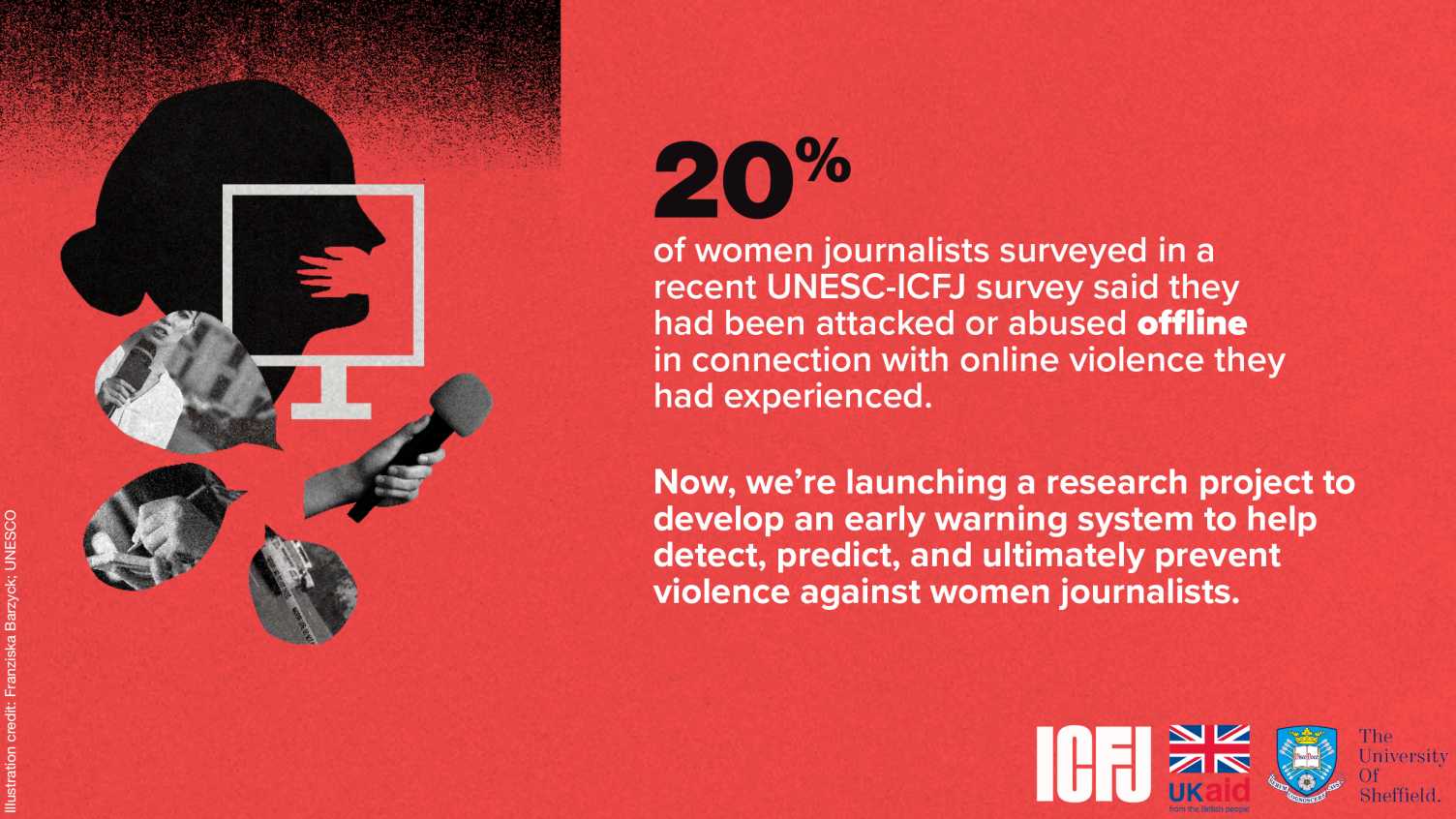
Across the globe, women continue to confront various forms of violence, whether in their domestic spheres, workplaces, or public domains. As societal awareness around these issues burgeons, so does the necessity for innovative solutions that empower women to evade potential threats. This article explores Women Early Warning Systems (WEWS), a crucial intervention designed to alert women to potential danger, thereby enabling them to take proactive measures. The discussion delves into the functionality of these systems, their implementation, the psychological implications for women’s safety, and the intersection of technology in mitigating violence against women.
1. **Understanding Women Early Warning Systems**
Women Early Warning Systems are structured mechanisms that aim to detect and communicate impending danger or volatile situations that could lead to violence against women. These systems amalgamate various methodologies, including community engagement, technological innovation, and educational initiatives. By leveraging a multi-dimensional approach, WEWS provide women with the tools necessary to recognize early signs of danger and act before situations escalate.
2. **Components of WEWS**
The architecture of Women Early Warning Systems typically comprises several core components:
– **Community Networks:** Local networks and alliances play an integral role in disseminating information and fostering solidarity among women. These connect individuals to resources, hotline services, and each other, creating a support matrix.
– **Technology Integration:** Utilizing mobile applications, text alerts, and wearable devices, technology serves as a formidable ally. Users can receive real-time alerts about suspected violence or unsafe environments in their vicinity.
– **Educational Outreach:** Workshops designed to educate women about recognizing red flags in potentially abusive relationships or risky environments are vital. Knowledge empowers women to trust their instincts, increasing their ability to avoid harm.
– **Strategic Partnerships:** Collaborations with local law enforcement, NGOs, and community organizations ensure a holistic approach to addressing violence against women. These partnerships can facilitate timely interventions when warnings are generated.
3. **Psychological Implications and Empowerment**
The psychological landscape surrounding women and violence remains intricate and multifaceted. Early Warning Systems not only provide physical safety but also engender a sense of agency among women. Having access to a system that alerts them to potential threats impacts their mental well-being significantly. This empowerment fosters self-confidence and encourages a proactive stance in navigating their environments. Women who engage with WEWS report reduced anxiety levels and heightened awareness, which contribute to a resilient mindset towards overcoming adversity.
4. **Cultural Sensitivity and Inclusivity in WEWS**
Implementing Women Early Warning Systems necessitates an acute awareness of cultural contexts. Different communities may possess varied perceptions of violence and authority. A culturally sensitive approach ensures that systems do not inadvertently marginalize or alienate specific groups. Inclusivity must also extend to diverse age ranges and socioeconomic backgrounds, catering to the unique experiences of all women. Participation from women across these strata is paramount for developing a robust and effective warning system.
5. **Technology’s Role in Enhancing Safety**
The digital age has heralded astonishing advancements in technology, creating opportunities for innovative safety solutions. Applications designed for women’s safety often feature functionalities such as GPS tracking, emergency contacts, and location-sharing services. Moreover, AI-driven algorithms can analyze patterns in reported incidents, allowing for data-driven decisions in safeguarding against violence. These technological advancements not only enhance immediate safety responses but also contribute towards long-term strategies to curb violence against women.
6. **Case Studies and Real-World Applications**
Examining successful implementations of WEWS around the world provides insightful illustrations of their efficacy. For instance, programs in urban centers frequently involve community alert systems where residents can report suspicious activities without risk. On another front, rural initiatives might leverage mobile technology, ensuring women in remote areas remain connected to vital resources. Each case demonstrates the intrinsic adaptability of WEWS across varying socio-cultural landscapes.
7. **Challenges and Limitations**
Despite the promise that Women Early Warning Systems hold, several challenges persist. For instance, technological limitations, especially in underserved areas, can hinder effective communication. Moreover, societal stigma surrounding violence against women continues to suppress the recognition and reporting of such incidents, undermining the data that inform WEWS. Addressing these challenges requires advocacy, increased funding, and comprehensive policy reform aimed at dismantling the systemic barriers that allow violence to persist.
8. **The Path Forward: Recommendations for Implementation**
To optimize Women Early Warning Systems, stakeholders must prioritize several key recommendations:
– **Investment in Training:** Continuous training for community members ensures they can effectively utilize WEWS, while also raising awareness about gender-based violence.
– **Data Privacy Safeguards:** As we integrate more technology, safeguarding personal data remains imperative for encouraging women’s participation without fear of surveillance or retribution.
– **Continual Feedback Mechanisms:** Establishing platforms for women’s feedback ensures that systems evolve and adapt to their experiences and needs.
– **Public Awareness Campaigns:** Broader societal campaigns can challenge pervasive myths surrounding violence against women, fostering a supportive community environment.
Women Early Warning Systems not only represent a proactive strategy in preventing violence against women but also symbolize a cultural shift towards empowerment and autonomy. As these systems evolve, they will necessitate collective engagement from communities, authorities, and technologies, ultimately crafting a safer world for women everywhere. Through this intertwining of awareness, technology, and community solidarity, the capacity to avoid violence becomes not just a hope but a tangible reality.