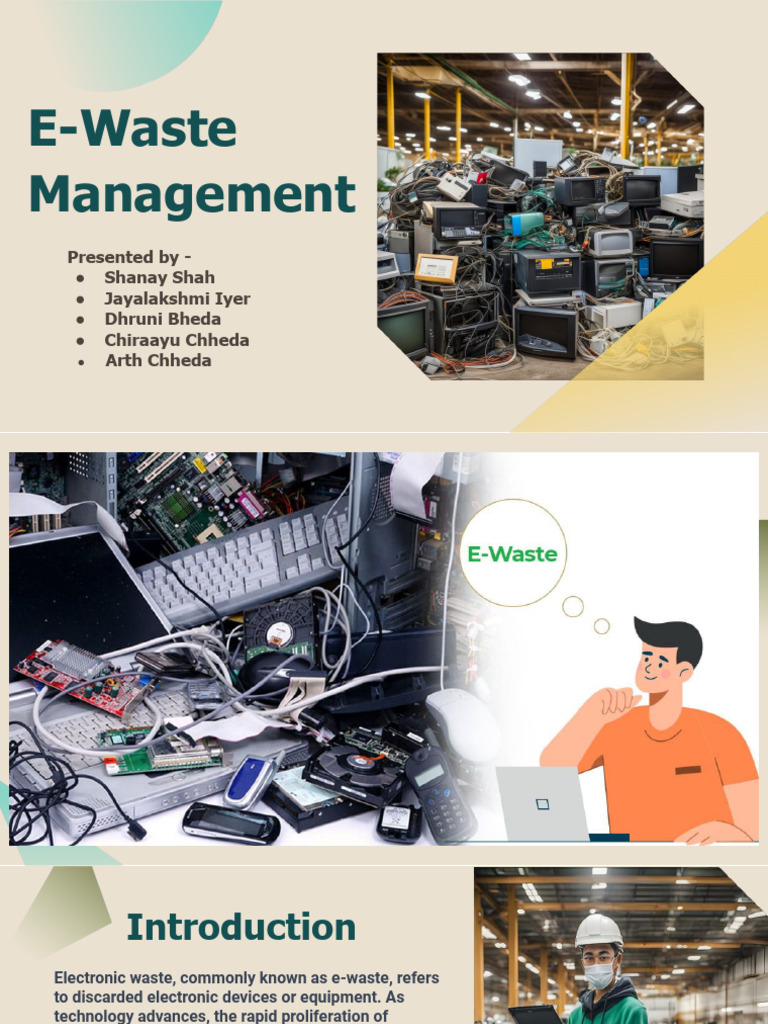
As we hasten through the digital age, e-waste has become an omnipresent challenge, almost an afterthought in our insatiable consumption of technology. But what if we viewed e-waste management through a different lens? Instead of perceiving it as a chore, we could recognize it as an opportunity for innovation, responsibility, and sustainable progress. In this exploration, we shall delve deep into the intricate world of electronic waste, dissecting its implications, solutions, and the significant shift in perspective required to tackle this burgeoning dilemma.
The E-Waste Conundrum
Electronic waste, or e-waste, encompasses discarded electrical or electronic devices. It ranges from obsolete smartphones to defunct refrigerators. This waste is not just a pile of junk; it is a treasure trove of resources. According to estimates, a staggering 50 million metric tons of e-waste are generated globally each year, a figure that continues to skyrocket as technology advances. But what lies beneath this alarming statistic? E-waste harbors a plethora of valuable materials, including precious metals like gold, copper, and palladium, alongside toxic substances such as lead, cadmium, and mercury, which pose severe environmental and health risks.
The Hidden Potential
Imagine viewing e-waste not merely as refuse but as a catalyst for a circular economy. In this paradigm, the emphasis shifts from linear consumption—buy, use, discard—to a regenerative model that values resource recovery and recycling. By extracting valuable materials from discarded electronics, we not only save natural resources but also significantly reduce the energy consumption associated with mining and manufacturing new products. This reframing invites a myriad of possibilities, including job creation, innovation in recycling technologies, and reduced dependency on virgin materials.
The Role of Innovation
Technological advancements play a pivotal role in reshaping e-waste management. Startups and established companies alike are pioneering initiatives that revolutionize how we handle electronic waste. From sophisticated recycling processes that recover over 95% of materials to innovative designs that cater to easier disassembly for repairs and recycling, the horizon is brimming with promise. Furthermore, data-driven approaches can enhance efficiency, such as using algorithms to optimize logistics in the collection and processing of e-waste. These innovations are not merely tactical fixes; they are a clarion call for a shifting narrative around consumption and disposal.
Rethinking Consumer Behavior
For change to occur, it must begin with us, the consumers. The ubiquitous desire for the latest technology often leads to a cavalier attitude towards our old devices. However, a fundamental shift in consumer behavior is imperative. Embracing a mindset that values longevity, repairability, and responsible disposal forms the bedrock of sustainable consumption. One might consider becoming a conscientious consumer, choosing products designed for longevity, engaging in device-sharing economies, or supporting companies that prioritize sustainable practices. Each decision reverberates beyond individual choices, shaping the marketplace and compelling manufacturers to adopt greener practices.
The Importance of Legislation
While individual actions are crucial, the role of governments and regulatory frameworks in e-waste management cannot be overstated. Enacting robust legislation serves as a powerful mechanism to ensure that manufacturers take responsibility for the lifecycle of their products. Policies that mandate recycling, establish take-back programs, or implement eco-design standards create a conducive environment for sustainable practices. Countries that have embraced such regulations have observed a significant reduction in e-waste pollution and an increase in resource recovery rates, underscoring the effectiveness of proactive governance.
Education and Awareness
Education is the bedrock of change. Raising public awareness about the implications of e-waste and the importance of proper disposal methods is paramount. Schools, community organizations, and online platforms can play instrumental roles in disseminating knowledge and prompting discussions surrounding e-waste management. Workshops, campaigns, and informational resources can engage individuals and communities, inspiring a collective commitment to tackling this pressing issue together. As awareness grows, so does the potential for a united front against the e-waste crisis.
Global Perspectives on E-Waste Management
Globally, approaches to e-waste management differ vastly, shaped by economic, cultural, and social contexts. Countries in the Global South often grapple with the consequences of e-waste dumping from developed nations. The perils of poor management can result in dire health implications for communities involved in informal recycling processes. However, some innovative practices have emerged, showing that even the most challenging situations can yield creativity. For example, community-driven initiatives that combine traditional knowledge with modern technologies are fostering sustainable solutions. Understanding these diverse perspectives enriches the discourse and drives the global conversation forward.
The Path Forward
As we navigate this intricate landscape, it becomes abundantly clear that the conversation surrounding e-waste management necessitates a profound shift in perspective. From mere disposal to a paradigm of regeneration and responsibility, the journey is rife with opportunities for change. By harnessing the collective power of innovation, education, legislation, and consumer behavior, we can not only mitigate the adverse effects of e-waste but also uncover its latent potential. Ultimately, the question is not merely about what we do with our old devices—it’s about how we redefine our relationship with technology itself, paving the way for a sustainable and prosperous future.