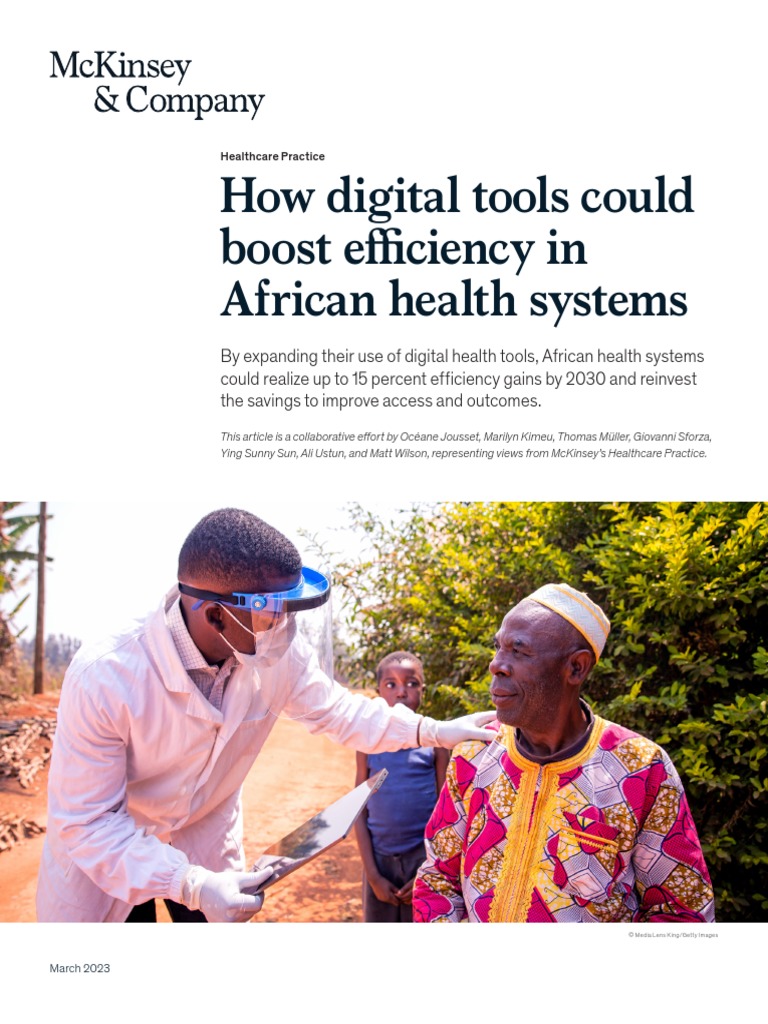
In the vast tapestry of global health initiatives, the integration of eHealth into the African health system emerges as a pivotal thread. As African countries grapple with the dual challenges of burgeoning population growth and inadequate health infrastructure, eHealth technologies offer transformative potential by enhancing accessibility, efficiency, and overall health outcomes. This article aims to delineate various dimensions of eHealth’s integration into Africa’s health landscape, illustrating the multifaceted benefits and challenges associated with this evolution.
1. Understanding eHealth: A Foundation for Transformation
eHealth encompasses a broad range of digital health services, including telemedicine, mobile health (mHealth), electronic health records (EHRs), and health information systems. These technologies facilitate the collection, storage, and exchange of health information, streamlining healthcare delivery. In a continent where health disparities are pronounced, eHealth paves the way for innovative solutions that can mitigate barriers to care.
2. Mobile Health: Bridging the Gap
With over 447 million mobile subscribers, Africa stands at the forefront of mobile health innovations. mHealth applications empower patients and health practitioners through SMS reminders for vaccination, maternal health tracking, and medication adherence programs. For instance, programs like the M-TIBA in Kenya utilize mobile technology to manage and facilitate health financing, ensuring that even the most marginalized populations can access necessary medical services.
3. Telemedicine: A Pioneering Frontier
Telemedicine emerges as a transformative tool, enabling healthcare providers to connect with patients in remote areas devoid of adequate medical infrastructure. By utilizing video conferencing and teleconsultation platforms, healthcare professionals can offer diagnostic and therapeutic services from afar. This not only escalates healthcare access but also mitigates the necessity for arduous travel, thus conserving resources and time for patients. Countries like South Africa and Rwanda have successfully implemented telemedicine programs that illustrate its potential to democratize healthcare.
4. Electronic Health Records: Streamlining Patient Data
The shift towards electronic health records (EHRs) heralds a profound transformation in how patient data is managed. By digitizing medical records, healthcare providers can significantly enhance the quality of care delivered. EHRs facilitate better information sharing among different providers, which is crucial in Africa, where many patients may seek care from multiple sources. The integration of robust EHR systems serves not only to improve patient outcomes but also to bolster health data collection for future public health initiatives.
5. Health Information Systems: Data-Driven Decisions
Advanced health information systems (HIS) play a critical role in bolstering the efficacy of health services across African nations. These systems aggregate data from various health sources, enabling governments and health organizations to make informed decisions about resource allocation, disease surveillance, and health policy development. By leveraging data analytics, African health systems can identify health trends, track disease outbreaks, and ensure timely interventions.
6. Challenges in Implementation: Navigating the Terrain
The implementation of eHealth initiatives is not without its challenges. Infrastructure deficits, such as unreliable electricity and internet access, impede the effectiveness of these technologies. Additionally, the digital divide exacerbates health inequalities, as rural and underserved communities may lack the requisite tools or knowledge to utilize eHealth solutions effectively. Moreover, concerns regarding data privacy and security loom large, necessitating robust regulations and conscientious approaches to protect sensitive health information.
7. Policy Framework: Setting the Stage for Integration
A conducive policy environment is essential for the successful integration of eHealth into African health systems. Governments must prioritize the development of comprehensive eHealth strategies that align with national health goals. This includes fostering public-private partnerships to stimulate investment in health technology and ensuring the training of healthcare professionals in utilizing these innovations. Clear regulatory frameworks must also be established to oversee the implementation and maintenance of eHealth solutions.
8. Community Engagement: The Human Element
The effective integration of eHealth hinges not only on technological advancements but also on meaningful community engagement. Local populations must be educated about the benefits and functionalities of eHealth services to encourage uptake. Community health workers can serve as pivotal conduits, promoting eHealth initiatives and ensuring they resonate with local needs. By fostering trust and understanding, these initiatives can thrive within communities.
9. Looking Ahead: The Future of eHealth in Africa
The future of eHealth integration in Africa is rife with promise. As technology evolves and internet penetration increases, the potential for eHealth to enhance healthcare delivery appears boundless. Innovations such as artificial intelligence and machine learning stand ready to further refine diagnostic processes, optimize treatment plans, and personalize patient care. By continuing to weave eHealth into the fabric of Africa’s health systems, countries can lay the groundwork for sustainable and equitable healthcare for all citizens.
10. Conclusion: A Unified Approach Toward Better Health
In conclusion, integrating eHealth into the African health system is a multifaceted endeavor that promises to improve health outcomes and access across the continent. By embracing mobile health, telemedicine, electronic health records, and comprehensive health information systems, African nations can create a resilient health infrastructure. While challenges persist, a unified approach involving policymakers, communities, and health practitioners can ensure that eHealth becomes an integral part of the fabric of health provision in Africa, fostering a healthier future for generations to come.