In a world where technology pervades almost every aspect of our lives, the question arises: can cell phones be harnessed to improve pregnancy outcomes in regions like Herat? With its unique cultural considerations and healthcare challenges, Herat, Afghanistan, presents a fascinating landscape to explore the potential impact of mobile technology on maternal health. Yet, while the promise of connectivity is evident, one must ponder the potential challenges that accompany this digital transformation.
To thoroughly examine this topic, we will delve into various facets of how mobile phones can enhance prenatal care, foster community support, and educate expectant mothers, all while navigating the obstacles that might emerge in this digital transition.
1. Enhanced Access to Information
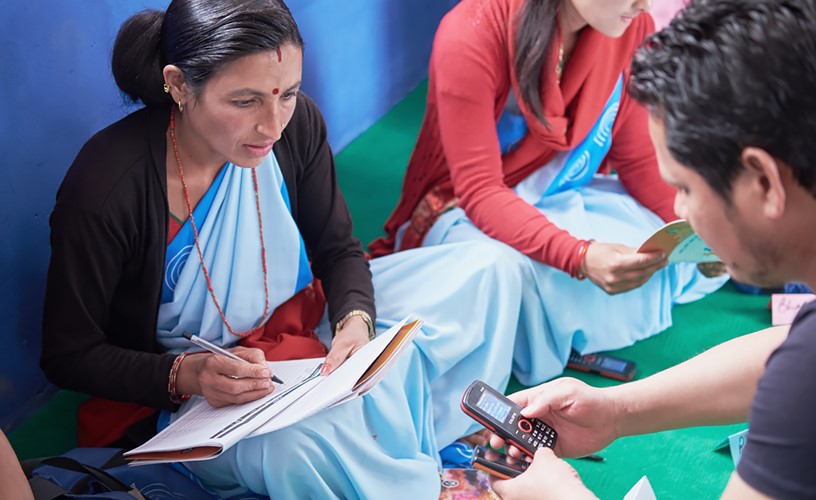
Mobile phones function as gateways to a wealth of information. In an area like Herat, where healthcare resources may be limited, expectant mothers can access vital educational materials regarding prenatal care. Applications designed specifically for pregnancy offer information on nutritional needs, exercise guidelines, and common pregnancy complications. Furthermore, women can stay informed about the developmental milestones of their unborn child, empowering them with knowledge that can lead to healthier pregnancies.
However, it is essential to recognize that not all women have equal access to smartphones or reliable internet. This disparity can create an information divide, which poses a challenge in fully realizing this technological advantage.
2. Virtual Consultations with Healthcare Providers
Telemedicine has gained momentum, and its integration into maternal care could be revolutionary. In Herat, where geographical barriers can impede access to healthcare facilities, cell phones allow pregnant women to consult healthcare providers remotely. Video calls or messaging services can enable discussions about symptoms, healthcare advice, and referrals to local clinics if necessary. This virtual connection can alleviate fears and ensure that mothers receive timely advice, fostering a sense of security during their pregnancy journey.
Nevertheless, challenges such as technological literacy and the availability of trained health professionals remain. Without addressing these barriers, the effectiveness of virtual consultations may be limited.
3. Community Support Networks
Community is an integral part of the pregnancy experience in Herat. Cell phones can facilitate the creation of supportive networks that encourage expectant mothers. Social media platforms and messaging apps can serve as forums for sharing experiences, challenges, and advice among women in similar situations. These connections can help mitigate feelings of isolation and empower women with shared knowledge and emotional support.
However, the challenge lies in ensuring that these networks promote accurate health information. Misinformation can proliferate in online forums, which could lead to harmful practices. Therefore, establishing guidelines for these networks is crucial.
4. Reminder Systems for Appointments and Medications
Pregnancy encompasses a multitude of appointments and medication schedules. A simple yet effective way to utilize cell phones is through reminder applications that notify expectant mothers of prenatal appointments or medication times. This kind of organizational tool can dramatically improve adherence to medical advice, leading to better health outcomes.
On the flip side, not all users may find technology easy to navigate. For some, setting up such reminders may feel overwhelming, causing potential negligence of important appointments. Hence, creating user-friendly systems is paramount for increased participation.
5. Emergency Communication
Complications can arise unexpectedly during pregnancy, and immediate access to help is crucial. Cell phones offer a direct line to emergency services, enabling pregnant women to seek assistance when required. This immediacy can prove life-saving in critical situations, allowing faster interventions that could make a significant difference in maternal and fetal health.
Yet, a significant challenge in regions like Herat may be the inconsistencies in mobile coverage, particularly in rural areas. Ensuring robust network infrastructure is essential for this aspect to truly benefit expectant mothers.
6. Educational Campaigns and Resources
Using cell phones to disseminate educational content via SMS campaigns or mobile applications can amplify maternal health initiatives. For instance, organizations can develop targeted messaging campaigns that provide tips on nutrition, exercise, and mental well-being during pregnancy. These timely reminders can help women maintain healthy habits and foster an informed approach to their prenatal care.
However, crafting culturally sensitive and linguistically appropriate content poses a notable challenge. The material must resonate with the target audience to be effective, requiring deep understanding and attention to the community’s values.
7. Data Collection and Health Monitoring
The potential of cell phones extends to the realm of health monitoring. Applications can collect data on maternal health metrics, providing healthcare providers with invaluable insights into pregnancy complications that may arise in the population. This data-driven approach may enhance the overall maternal healthcare landscape in Herat.
Conversely, privacy concerns around personal health data must be addressed. Building trust in such systems is essential to ensure women are willing to share their information without fear of breaches.
In conclusion, while the integration of cell phones into the pregnancy experience in Herat holds remarkable potential, it does not come without hurdles that must be surmounted. The challenge lies in bridging the technological divide, ensuring access, fostering community trust, and tailoring education materials effectively. Embracing these digital solutions, while being mindful of the accompanying challenges, could lead to a transformative journey toward improved maternal health in Herat. The question now lingers: will the embrace of technology empower a new generation of healthy mothers, or will the challenges display a bittersweet reality? Only time will tell.