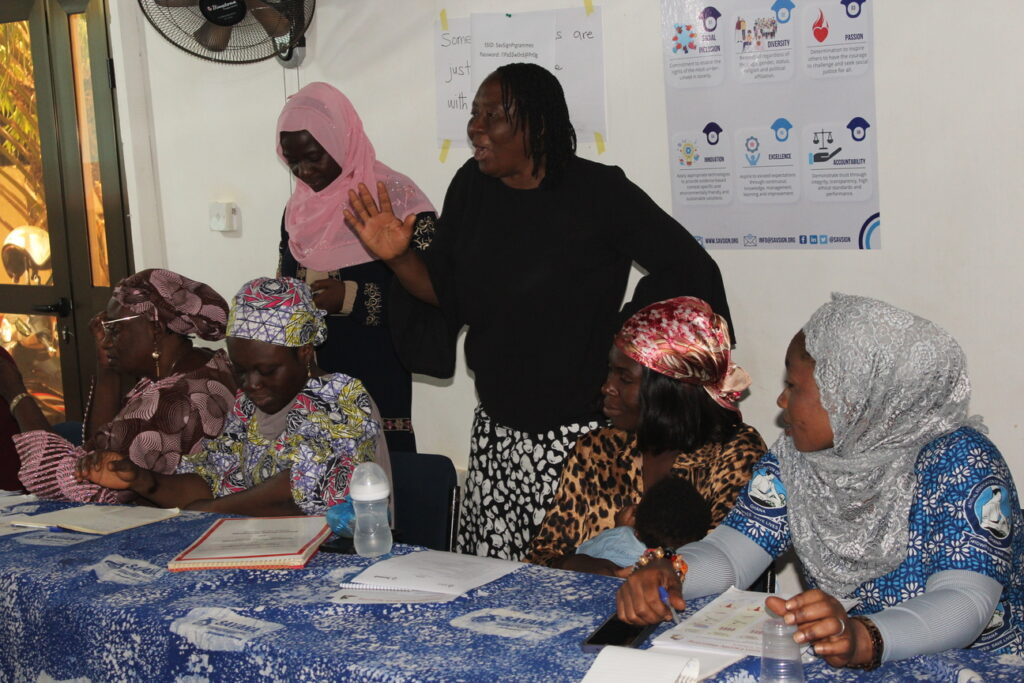
In the dynamic and ever-evolving landscape of healthcare, the Usaid Mama Initiative stands out as an innovative beacon, illuminating the path for mobile technology applications in maternal health projects. The challenge posed by maternal mortality remains staggering, highlighting an urgent necessity for more effective healthcare solutions. But what if mobile technology could be the antidote to this immense challenge?
The Usaid Mama Initiative aims to transform maternal health services by integrating mobile technology into healthcare ecosystems, particularly in regions where traditional healthcare access is fraught with challenges. By utilizing mobile platforms, the initiative seeks to provide expectant mothers with timely information, crucial resources, and direct access to healthcare professionals. Imagine the possibilities: what if mothers-to-be could have real-time advice at their fingertips, delivered directly to their phones? This innovative approach is not just a dream but a burgeoning reality across various regions.
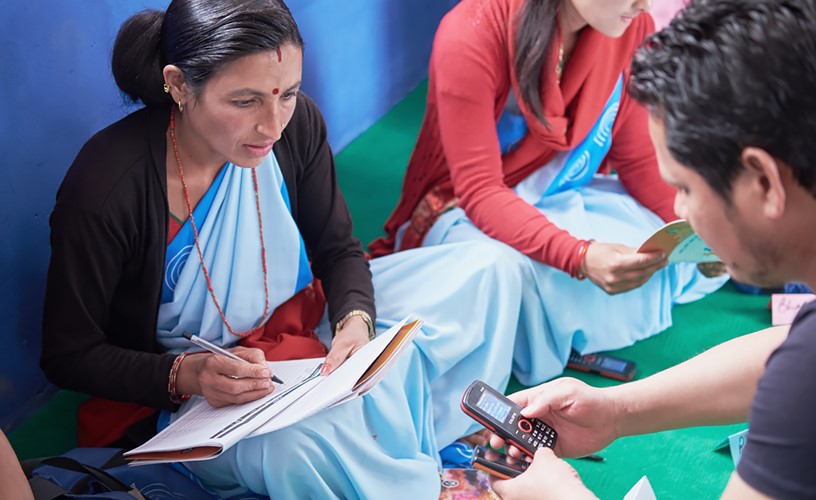
At the core of the Usaid Mama Initiative is the recognition that many women, especially in low-resource settings, possess mobile phones. This ubiquity presents a unique opportunity to reach under-served populations. The initiative cleverly leverages mobile technology to bridge gaps in access to maternal health services. Through SMS alerts, mobile applications, and teleconsultations, mothers can receive vital information about prenatal care, identify warning signs of complications, and even connect with healthcare providers without the need for exhausting travel.
The impact of the initiative extends beyond mere information dissemination. One of the notable elements is the creation of community health networks through mobile technology. These networks facilitate peer support among mothers, enabling them to share experiences, advice, and encouragement. The camaraderie fostered within these groups provides emotional support, which is often overlooked in traditional healthcare models.
Moreover, the Usaid Mama Initiative implements localized content, tailoring messages to suit the cultural and linguistic nuances of different communities. This customization increases user engagement and adherence to health recommendations. Research suggests that culturally appropriate content significantly improves health outcomes because it resonates with the target audience, making them feel valued and understood.
But as we celebrate these advances, it’s essential to address the potential challenges that accompany such a significant shift. One critical concern is the digital divide; not all regions have the same level of mobile network infrastructure. In remote or underserved areas, connectivity may fluctuate or be non-existent, raising questions about the equitable distribution of resources. How can the Usaid Mama Initiative ensure that no mother is left behind, especially those in the most isolated communities? This query underscores the importance of continually assessing infrastructure developments alongside technological solutions.
Another crucial consideration is user education. While mobile technology has great potential, its effectiveness hinges on users being able to navigate these platforms adeptly. Adequate training sessions and continuous support are paramount to ensure that mothers can comfortably access the resources available to them. Failure to provide this support could hinder the very progress the initiative aims to achieve, rendering mobile technology ineffective in its mission to save lives.
The initiative doesn’t merely focus on the mothers but also emphasizes the importance of involving healthcare workers. Training local health professionals to use mobile platforms effectively is pivotal. They not only become conduits of information but also advocates for the initiative within the community. The dual investment in both mothers and healthcare providers enhances the likelihood of a robust maternal health ecosystem. Moreover, it fosters a sense of ownership and accountability among healthcare workers, motivating them to prioritize maternal health better.
Furthermore, data collection through mobile technologies offers invaluable insights. By analyzing patterns and outcomes, the Usaid Mama Initiative can continuously refine and enhance its strategies. The ability to gather real-time health data aids in identifying trends, addressing issues proactively, and adjusting interventions as necessary. However, the ethical handling and privacy of such data must be an unwavering priority, ensuring that the trust established between communities and healthcare providers remains intact.
Collaboration plays an instrumental role in the success of the Usaid Mama Initiative. Partnerships with local organizations amplify its reach and bolster credibility. By aligning with entities that have firsthand knowledge of maternal health challenges in specific regions, the initiative effectively tailors its programs to meet the unique needs of each community. Such collaborative efforts not only enhance service delivery but also foster a sense of community ownership and empowerment.
As the initiative continues to flourish, its success will likely serve as a model for similar programs worldwide. The concept of mobile technology as an enabler of maternal health is not just revolutionary; it is vital. As alluded to earlier, while challenges abound, the Usaid Mama Initiative exemplifies that determination, creativity, and the integration of modern technology can indeed set forth a new era of maternal health.
By reflecting on the progress made thus far, one can see that the Usaid Mama Initiative is not merely a program but a movement—a movement towards healthier futures for mothers and their children. The question remains: will we embrace this opportunity to reshape maternal health services and ultimately save lives? In this context, each text message could hold the power to change the course of a family’s future, making the case for mobile technology in maternal health stronger than ever.