In a world increasingly challenged by humanitarian crises, the Horn of Africa has emerged as a focal point of urgent need. Drought, conflict, and rising food insecurity have ignited a call to action that resonates far beyond the borders of this historically rich region. Recently, the United States Agency for International Development (USAID) has issued an invitation to the public, urging individuals and organizations to contribute to relief efforts aimed at alleviating the suffering of millions in the Horn of Africa. But what if you had the chance to play a pivotal role in this monumental endeavor? Are you ready to meet the challenge and lend a helping hand?
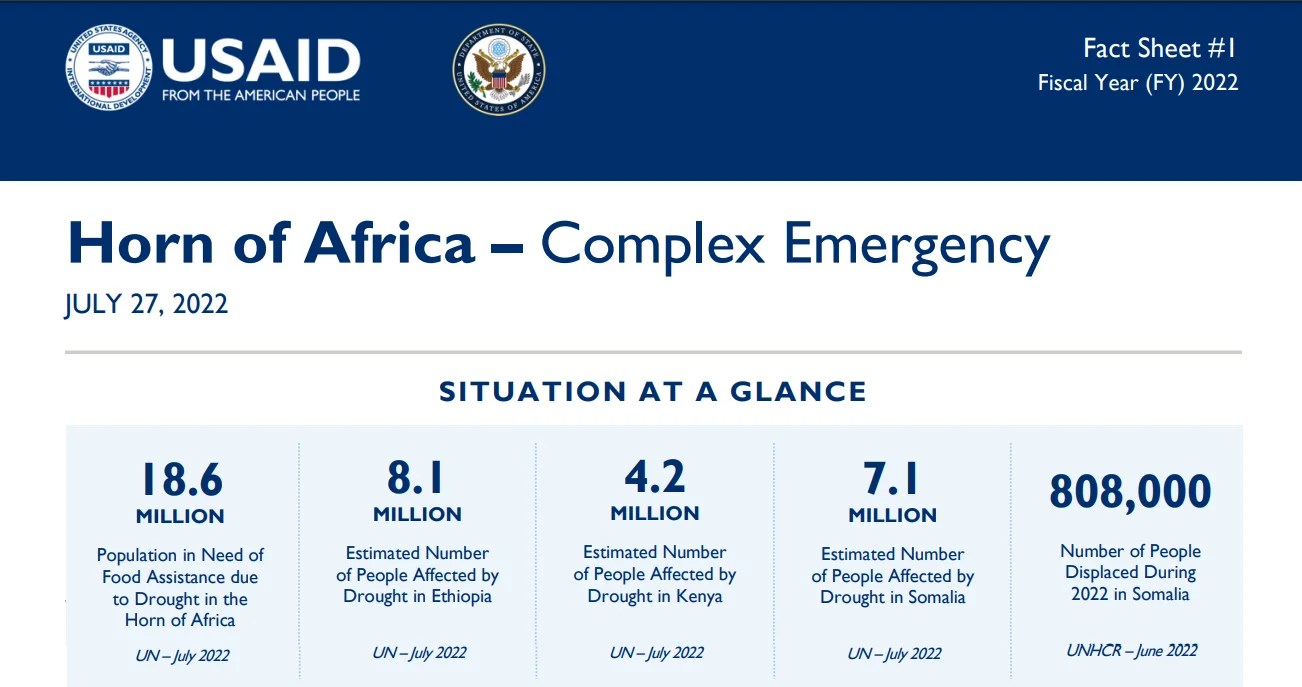
The Horn of Africa encompasses Ethiopia, Somalia, Eritrea, and Djibouti, forming a geographic and cultural tapestry that is as intricate as it is beautiful. However, as delightful as its landscapes may be, the region is currently plagued by existential threats. According to recent reports, millions face the specter of famine and displacement. This pressing crisis beckons a combination of aid, awareness, and proactive engagement to mend the frayed social fabric.
### The Anatomy of the Crisis
To understand the current situation, it is essential to dissect the contributing factors leading to this humanitarian emergency. The Horn of Africa has been victim to protracted drought conditions that have decimated agricultural yields and eroded livelihoods. Meanwhile, ongoing conflicts—including civil strife and political instability—have displaced countless families, uprooting communities that have been established for generations.
The repercussions extend beyond mere food scarcity. The nutritional landscape has been irrevocably altered, leading to malnourishment among vulnerable populations, especially children and pregnant women. Understandably, this compounds existing public health challenges, making the risk of disease outbreaks increasingly imminent. The call for relief efforts is not just a matter of food distribution; it involves a holistic approach aimed at restoring dignity and fostering resilience among the affected individuals.
### How Can You Contribute?
Emboldened by the urgency of the situation, USAID invites the public to become active participants in an innovative relief initiative. There are myriad routes through which individuals can make a meaningful impact. Here are some suggestions:
- Financial Donations: One of the most direct means to aid relief efforts is through financial contributions. USAID and its partner organizations have established simplified platforms for donations, ensuring that your generosity reaches those in dire need swiftly and effectively.
- Awareness Campaigns: In an era dominated by social media, raising awareness is an invaluable tool for engagement. Sharing informative content about the crisis with friends and family can multiply the ripple effect of collective action. Every post, tweet, or story shared has the potential to inspire others to contribute.
- Volunteer Initiatives: Local organizations often seek volunteers to assist with logistics, fundraising events, and educational programs. By participating in these initiatives, you can garner a better understanding of the crisis while making a tangible difference in your community.
- Advocacy: Engage with policymakers and advocate for sustained commitment toward humanitarian aid in the region. Whether through email campaigns or community forums, your voice can help shape policy that prioritizes support for the Horn of Africa.
### The Challenge Ahead
While the opportunities for engagement are abundant, the challenge posed is equally significant. Given the sheer scale of need, one overarching question emerges: How can we galvanize collective action to ensure that relief efforts are efficient and impactful? This challenge extends beyond individual contributions; it calls for innovative collaboration between governments, NGOs, and ordinary citizens alike.
One such collaboration model could involve public-private partnerships that channel financial resources from corporations to established humanitarian organizations. By aligning interests in a way that makes sense for all stakeholders, a stronger framework for relief emerges. This reinforces the notion that collective responsibility lies at the heart of sustainable solutions.
### Building a Resilient Future
Relief efforts and immediate aid must coexist with long-term strategies aimed at forestalling future crises. Providing food and medical supplies, while essential, should also be complemented by educational programs that equip communities with the skills necessary to overcome adversities. Skills training in agriculture, water management, and conflict resolution can fortify the resolve of communities dealing with recurrent challenges.
In this regard, empowering local organizations plays a pivotal role. Often, these entities possess the cultural acumen and grassroots connections necessary to implement effective, sustainable solutions. Thus, channeling resources through local infrastructures can further amplify the impact of worldwide support.
### Conclusion: Your Role in the Narrative
As we navigate this intricate tapestry of challenges and solutions, the imperative to act becomes increasingly clear. The call to action extended by USAID is an invitation not merely to aid, but to rewrite the narrative of suffering into one of hope and renewal. It is a collective effort that beckons tenacity and creativity from each of us.
So, as you ponder your role in this pivotal moment, ask yourself: What part will you play in this extraordinary challenge? By embracing the opportunities for contribution, you become not just a spectator but a vital architect of change in the Horn of Africa. Together, we can work to mend the frayed edges of humanity, crafting a future where resilience triumphs over adversity.