In an era defined by rapid technological advancement, the classroom has transformed into a dynamic interplay between traditional learning and digital innovation. The UNESCO Mobile Learning Week serves as a crucible for forging policy frameworks that adapt to this metamorphosis. The spotlight shines on three pioneering projects designed to catalyze meaningful educational reform through the lens of mobile learning. Each initiative weaves a distinct narrative thread, an emblem of hope in the vast tapestry of educational policy development.
As we delve into these projects, envision them as both lighthouse beacons and multifaceted gemstones, illuminating diverse pathways for the integration of mobile technology into educational systems. Each project encapsulates a unique appeal, offering vital insights into harnessing mobile learning’s potential for policy evolution.
Project 1: Learning for All – Inclusive Digital Solutions
The first initiative, aptly named “Learning for All,” cultivates the belief that education should be a garden where every child can flourish regardless of their socio-economic background. By leveraging mobile technology, this project seeks to dismantle barriers that often impede underprivileged communities from accessing quality education.
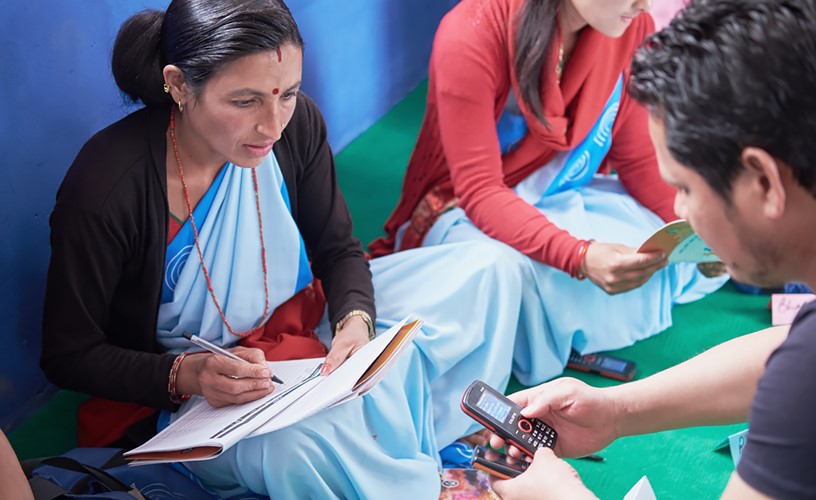
By integrating mobile applications tailored to diverse educational needs, “Learning for All” champions a holistic approach that fosters inclusivity. Through partnerships with local NGOs, the initiative enhances digital literacy among educators and students alike, ensuring that mobile devices become instruments of empowerment rather than exclusion.
This project acts as a symphonic orchestra, where each member—the policymakers, educators, and technologists—harmonize their expertise to compose a melodic framework for effective, inclusive education. The dialogues facilitated through workshops resonate through urban centers and rural villages, fostering a culture of collaboration that shapes the collective consciousness surrounding educational policy.
Project 2: The Digital Bridge – Connecting Urban and Rural Scholars
The metaphorical bridge constructed by the second project, “The Digital Bridge,” underscores the necessity of connectivity in educational landscapes that extend beyond geographic borders. Education is often regarded as a well-guarded fortress, but this initiative seeks to transform it into a network of diverse pathways that interlace urban and rural scholarship.
The project’s multifaceted framework employs mobile technology to cultivate a digital ecosystem where students from disparate backgrounds can engage with each other and access learning resources spontaneously. By developing interactive platforms and mobile forums that facilitate peer-to-peer exchanges, “The Digital Bridge” dismantles barriers traditionally entrenched by distance and availability.
This initiative is akin to a skilled architect, diligently constructing a sprawling bridge sturdy enough to support the weight of aspirations and dreams, while also serving as a testament to the willingness to converge knowledge. The educational policy recommendations arising from this project underscore the urgent need for investment in digital infrastructure, which prioritizes connectivity for all learners.
Project 3: Innovate to Educate – Reinventing Teacher Training
With the winds of innovation at its back, the third initiative, “Innovate to Educate,” reimagines teacher training as an ongoing voyage rather than a singular event. Envision this project as a vibrant ecosystem where educators operate as both students and teachers—ever-evolving and adapting to new methodologies shaped by mobile learning tools.
This transformative endeavor showcases mobile platforms that provide continual professional development opportunities, allowing educators to refine their skills based on real-time feedback and pedagogical advancements. The constant influx of information prompts teachers to keep their practices fresh and relatable.
As this project seeks to sculpt the educators of tomorrow, it empowers them to become not only purveyors of knowledge but also facilitators of collaborative learning environments. The policy implications ripple through educational hierarchies, advocating for systemic change in how teacher training is structured, funded, and evaluated.
Cumulative Impact and Recommendations
The three aforementioned initiatives converge into a cohesive movement advocating for progress in educational policy through the lens of mobile technology. The cumulative impact resonates loudly, calling for comprehensive frameworks that recognize the nuanced interplay between accessibility, connectivity, and continuous professional development.
As we journey through this landscape, several key recommendations emerge from this trove of knowledge. First, policymakers must embrace a multidimensional view of educational technology, viewing it as a catalyst for equity rather than a mere supplementary tool. The formulation of policies should pivot towards holistic support, integrating mobile solutions that address the unique challenges facing diverse populations.
Secondly, investment in infrastructure is paramount. A robust technological backbone must be constructed, ensuring that both urban hubs and rural outposts achieve parity in access to digital resources, thus reinforcing the interconnections that “The Digital Bridge” espouses.
Finally, fostering a culture of innovation and adaptability within teaching communities will serve to galvanize educators who are not just guides but are poignant architects of learning. By prioritizing ongoing professional development, the “Innovate to Educate” initiative paves the way for teachers to confidently navigate the swirling currents of educational technology.
In conclusion, the UNESCO Mobile Learning Week encapsulates a vibrant tableau of projects stirring a renaissance in educational policy. Each initiative signifies a luminous beacon of opportunity, inviting policymakers to join a collective movement towards elevating education through mobile technology. Together, these projects create a compelling narrative, one that inspires both reflection and actionable change in the pursuit of inclusive and accessible education for all.