Understanding business taxes can be a daunting endeavor for entrepreneurs, often conjuring images of labyrinthine forms and perplexing regulations. However, grasping this essential aspect of entrepreneurship is not merely a matter of compliance. It is also an avenue to optimize financial health and unlock growth potential. This article will elucidate the intricate world of business taxes, preparing you for a smooth journey through its complexities.
The Tax Landscape: An Overview
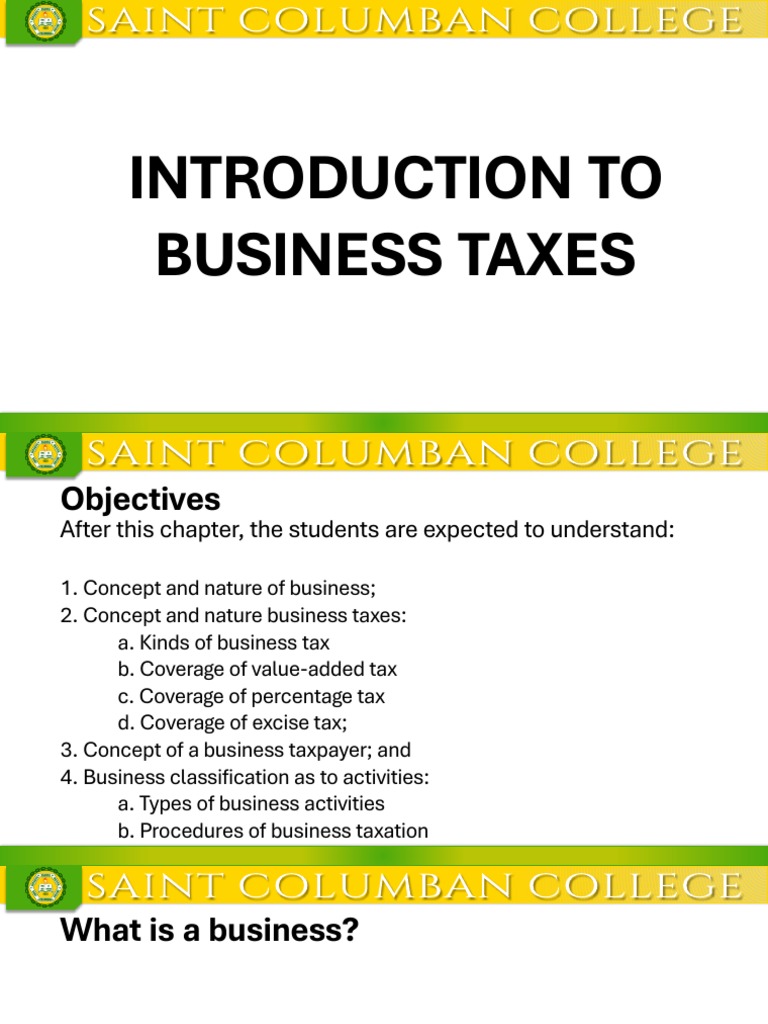
Business taxes are not monolithic; they encompass various types of levies imposed on enterprises. These can broadly be categorized into income taxes, payroll taxes, sales taxes, property taxes, and various local taxes. Understanding the fundamental distinctions between these types can empower you to strategize tax-related decisions effectively.
Business income taxes, for instance, stem from the profits generated by your enterprise. Such taxes vary based on the structure of your business—be it a sole proprietorship, partnership, corporation, or limited liability company (LLC). Each structure incurs different tax obligations and advantages, making it imperative to choose wisely.
Deciphering Business Structures and Their Tax Implications
Before embarking on your entrepreneurial journey, consider the nuances of business structures. A sole proprietorship, while the simplest and most straightforward, offers no separation between personal and business assets, exposing you to greater risk. Its income is reported directly on your personal tax return.
In contrast, a corporation shields its owners from personal liability. However, it introduces the complexity of double taxation—once at the corporate level and again on dividends disbursed to shareholders. LLCs combine the personal asset protection of corporations with the tax efficiency of partnerships. Recognizing these distinctions could fundamentally alter your tax strategy.
Tax Deductions: A Entrepreneur’s Best Friend
Tax deductions are often perceived as mere avenues to reduce tax liability, but they are, indeed, powerful tools for entrepreneurs. By deducting legitimate business expenses—such as operational costs, employee salaries, and even certain educational expenses—you can significantly impact your tax bill.
Consider also the less recognized yet equally impactful deductions, including home office expenses and vehicle use. If you operate from your residence, part of your utility bills and mortgage may be tax-deductible. Furthermore, maintaining meticulous records of your business mileage could translate into a substantial deduction for vehicle expenses.
Understanding Sales Tax Obligations
For many entrepreneurs, sales tax might initially feel like an inconsequential afterthought. However, the ramifications of sales tax obligations can be profound, depending on the nature of your business and the states in which you operate. Different jurisdictions levy different sales tax rates, and compliance can become increasingly onerous as your business expands into new areas.
Understanding the nexus rules—i.e., establishing a significant connection with a particular state—is paramount. If your business has a nexus in a state, you’re obligated to collect sales tax, leading to potential pitfalls if not navigated properly. Awareness of local sales tax regulations and proactive management can safeguard you against looming audits and penalties.
Payroll Taxes: The Underlying Costs
When an entrepreneur envisions staff members and ambitious expansion plans, payroll taxes often remain lurking in the background. Yet, these taxes can constitute a substantial portion of your operational costs. Payroll taxes encompass Social Security, Medicare, and unemployment taxes, which employers are responsible for remitting to the federal government—alongside any applicable state-level payroll taxes.
Educating yourself on the intricacies of payroll taxation is crucial. Delinquency in remitting these taxes can result in severe penalties, so it’s prudent to establish a systematic payroll processing regime, or even enlist the help of a payroll service to avoid potential headaches.
The Importance of Professional Guidance
Though self-education in tax matters is invaluable, the complexity of business taxes often necessitates the expertise of a knowledgeable tax professional. Engaging a Certified Public Accountant (CPA) or a tax advisor well-versed in the intricacies of business taxation can illuminate blind spots and facilitate strategic decision-making.
A skilled professional can identify tax-saving opportunities you may overlook, navigate complex tax regulations, and provide tailored advice based on industry trends. With the right guidance, you can shift from viewing taxes as a burden to recognizing them as an integral part of your business strategy.
Embracing Tax Technology
In an age characterized by digital transformation, leveraging technology to streamline tax-related processes is becoming increasingly viable. Numerous software programs exist to aid businesses in tracking finances, recording transactions, and managing tax obligations efficiently. Tools that integrate accounting, sales tracking, and payroll functionalities can offer tremendous insights when navigating your tax landscape.
Implementing such technology can alleviate manual calculations and minimize errors, leading to more accurate tax filings. With reliable automated systems in place, you can redirect your focus from mundane tasks to core business development initiatives.
Preparing for the Future
As you consider the myriad aspects of business taxes, remember that foresight is key. Remaining abreast of forthcoming changes in tax laws can position your business advantageously, enabling you to adapt quickly to new regulations and tax structures. Knowledge of potential tax reform is not just prudent; it prepares your business for a landscape that is ever-evolving and replete with opportunities.
Ultimately, understanding business taxes is not merely a compliance issue; it is a critical component of a sound entrepreneurial strategy. By embracing this aspect of business management with curiosity and preparation, you can unlock potential avenues for growth, protect your assets, and enhance your financial well-being. In doing so, taxes can transform from a source of dread into a proactive element of your success story.