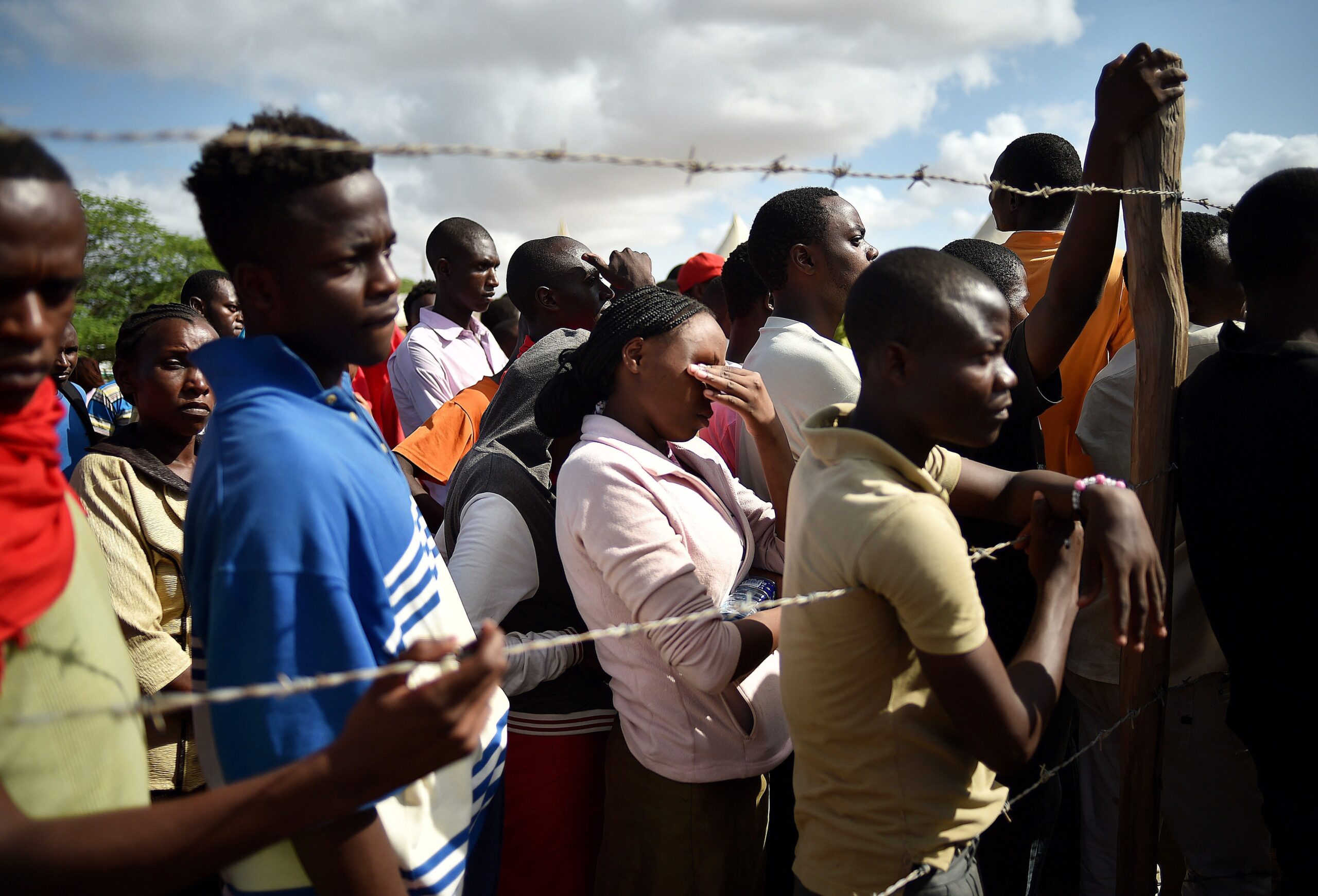
In recent weeks, the digital landscape has erupted with fervent tweets unveiling the multifaceted nature of Kenya’s anti-Al-Shabaab operations. The Kenyan government, doing its utmost to unshackle the nation from the clutches of this militant group, has become the protagonist in a complex narrative woven together by local and international stakeholders. This article unfurls the intricacies of the ongoing operations while spotlighting the dynamic nature of discourse on social media, where every tweet can serve as both a piquant criticism and a clarion call for support.
The fabric of Kenya’s fight against Al-Shabaab is stitched together with relentless courage and strategic planning, a reality reflected in the array of tweets capturing the essence of this campaign. Just like a painter meticulously layering colors on canvas, the Kenyan Defense Forces (KDF) have crafted a strategic approach that aims not only to erode Al-Shabaab’s stronghold along the Somali border but to instill a sense of stability and safety for its citizens. The vibrant exchange of ideas and experiences on Twitter has functioned as an amplification device for these efforts, illuminating critical updates and unearthing opinions that span the spectrum from hopeful to skeptical.
At the heart of this digital discourse lies a recurring theme: the significance of collaboration. Tweets from various governmental bodies, military officials, and local leadership echo the sentiment that defeating Al-Shabaab requires a unified front. The battle, likened to a tightly woven tapestry, can only hold firm if every thread—be it military or civilian—is anchored in mutual trust and shared purpose. Many tweets call attention to the essential role of community engagement and local support in dismantling the insurgent narrative that Al-Shabaab disseminates, inviting citizens to participate actively in safeguarding their own neighborhoods.
The kaleidoscope of tweets also showcases the adaptive strategies employed by the KDF. Military operations are not static; they evolve, akin to a river carving its path through a mountainside. As updates roll in, the narrative shifts from tactical maneuvers to tales of resilience. One cannot ignore the poignant imagery associated with Kenyan troops working alongside regional allies, engaged in a cooperative dance aimed at pacifying the volatile surroundings. Twitter users have commented on the camaraderie depicted in photos shared online, encapsulating the essence of joint operations. Where once there stood walls of division, there are now bridges built on the mutual goal of regional security.
Moreover, the role of technology in modern warfare has taken center stage, as illustrated in numerous tweets. As drones become the oculus through which both intelligence and execution thrive, conversations around their efficacy swirl like autumn leaves caught in a brisk wind. Critics and supporters alike have debated the ethical dilemmas posed by drone strikes—questions on sovereignty, collateral damage, and accountability intermingling with calls for rapid action. This intricate discourse signifies a collective grappling with the evolving nature of combat in an age marked by digital footprints and instantaneous communication.
Yet amidst the clamor of updates, narratives of loss echo through the virtual corridors. Social media has become a somber space for recognizing the sacrifices made by Kenyan servicemen and women. A poignant tweet might evoke the image of a lone soldier standing guard, embodying the spirit of selflessness. Each fallen hero’s story becomes multifaceted, revealing the haunting toll of a protracted struggle against an intransigent foe. In recognizing these sacrifices, social media users often coalesce into a digital support group, expressing solidarity and resilience through hashtags that resonate deeply with their shared Kenyan identity.
As the operational landscape evolves, there emerges an area ripe for discussion: the political ramifications of the ongoing anti-Al-Shabaab initiatives. Tweets reflecting upon these strategies often provoke introspection regarding the delicate interplay between security and governance. Skeptics voice concerns, likening the operations to a double-edged sword; while safeguarding the populace, they risk curtailing liberties and elongating the cycle of conflict. In this digital theatre, the dynamics of power are scrutinized, and the role of the Kenyan leadership comes under meticulous examination.
It is also crucial to highlight the growing momentum of public support as citizens become actively engaged in the dialogue. The digital revolution provides a platform for voices to converge—varying opinions morphing into a chorus advocating for peace. Tweets celebrating local successes, such as community patrols and peace-building initiatives, serve as beacons, shedding light on the collective effort to restore normalcy in affected areas. This shows an evolving consciousness among Kenyans, who advocate for a holistic approach to security that transcends mere military might.
The emerging narrative encapsulated in tweets pertaining to these operations serves to remind of an undeniable truth: the fight against Al-Shabaab is not merely a battle against insurgency but a complex interplay of human experience, community resilience, and the indomitable spirit of a nation striving for peace. As social media continues to shape the discourse around these operations, the engagement exhibited by Kenyans becomes an essential chapter in this ongoing saga. Each tweet, a brushstroke in a larger mural, heralds a future where the hopes of ordinary citizens intertwine with the actions of those in power.
In light of these unfolding events, it is clear the convergence of social connectivity and military strategy serves as both a battleground for ideas and a lifeline for progress. As the echoes of optimism and skepticism reverberate through digital platforms, one thing remains steadfast: the journey toward stability is long, fraught with both challenges and triumphs. This digital tapestry—woven with threads of collaboration, sacrifice, and hope—will continue to evolve as Kenya seeks to redefine its narrative amidst the shadows of conflict.