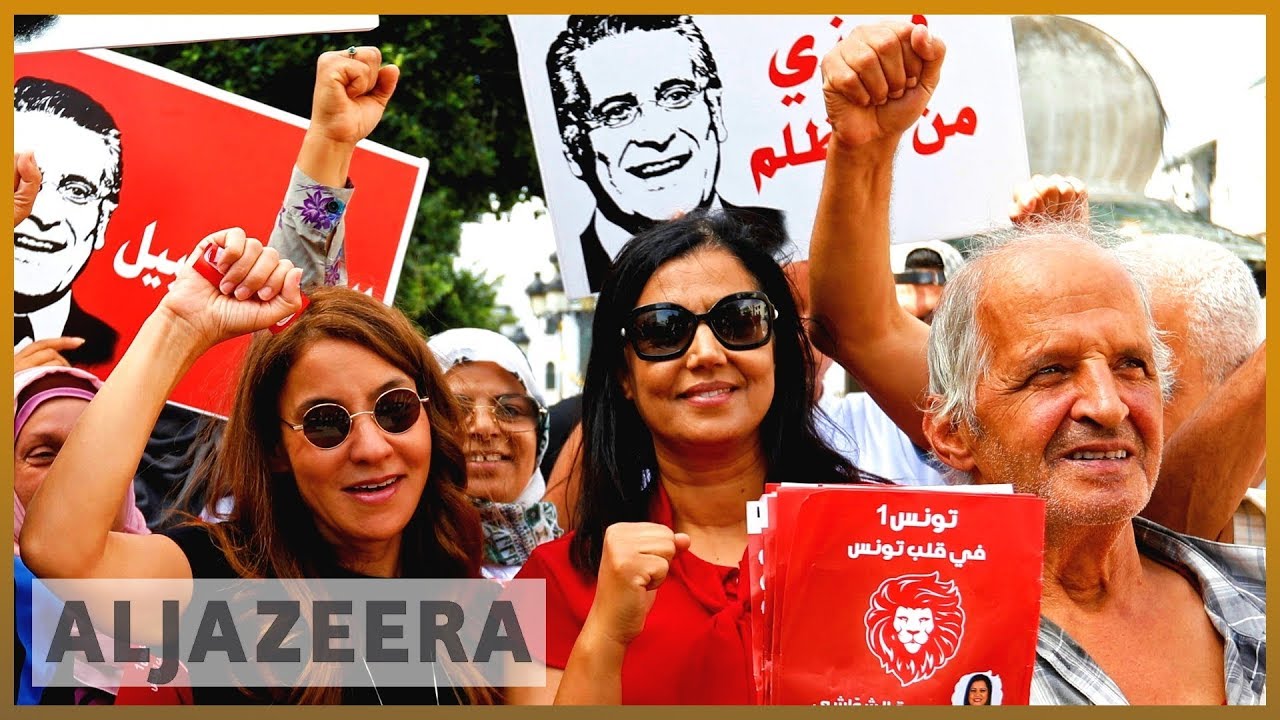
As the political landscape continues to evolve globally, one intriguing trend has emerged in Tunisia—politicians are increasingly turning to platforms like YouTube to engage with voters. In a country where traditional campaigning methods once dominated, the advent of digital media has revolutionized the political dialogue, raising questions about the effectiveness and ethics of this new approach. How well do these politicians really know their audience, and can they truly connect with their constituents through a screen? This tantalizing inquiry paves the way for a deeper examination of the intersection between technology and politics in Tunisia.
Tunisia, known for its pivotal role in the Arab Spring, has witnessed a dynamic shift in its political framework. Following the revolution in 2011, the country’s nascent democracy faced numerous challenges, compelling political figures to adapt their strategies for engaging with an increasingly tech-savvy population. YouTube emerged as a potent medium—offering a visual platform where candidates can showcase their policies, share personal stories, and directly communicate with voters in an informal yet impactful manner.
The utilization of YouTube by Tunisian politicians reflects broader global trends. Yet, what sets Tunisia apart is the significant role that social media plays in a nation that has grappled with political repression for decades. Candidates now wield the power to reach unfiltered, diverse audiences beyond the confines of traditional media.
One of the captivating aspects of this phenomenon is the blend of entertainment and information. Politicians have started producing content that is engaging and relatable—employing humor, storytelling, and even iconic memes. This raises a rather playful notion: Can a well-timed joke about local issues resonate more than a dense policy speech? The answer perhaps lies in understanding the electorate’s desire for connection. Amid societal and economic instability, many citizens long for leaders who appear human and approachable rather than aloof and bureaucratic.
However, engaging in this playful banter comes with a significant challenge. Striking the right balance between entertainment and substance often proves elusive. While virality can boost a politician’s visibility—a cat-themed video or a comedic skit might garner millions of views—it risks trivializing important issues. This paradox forces politicians to reconsider their strategies: How do they maintain authenticity while ensuring that their campaign content is both meaningful and engaging? Lack of substance in campaigns could, paradoxically, lead to voter disillusionment. In a nation yearning for authentic representation, the stakes could not be higher.
Additionally, the rise of digital engagement doesn’t come without potential complications. The very same platform that offers political candidates a stage also exposes them to unprecedented scrutiny. Comment sections can become battlegrounds of opinion, where every statement is dissected, ridiculed, or celebrated on a public forum. In Tunisia, where political discourse can be fierce and divisive, candidates must navigate this digital minefield judiciously. An ill-considered quip could easily spiral into a public relations disaster. Therefore, careful curation of content is paramount.
Moreover, the shifting demographics of YouTube users significantly influence the political landscape. The platform attracts a predominantly younger audience, a demographic that is crucial in shaping the future of Tunisia. Their desires, concerns, and motivations are unique, and politicians must be adept at addressing these factors. Will they lean into youth culture, or will they risk alienating older generations accustomed to more traditional discourse? Engaging young voters effectively could determine the outcome of elections in a country where youth unemployment and disenchantment run rampant.
Another facet to consider is the potential for misinformation. The digital age has made it easier than ever for false narratives to spread. Candidates must ensure that they are not only transparent but also proactive in counteracting misleading information that can surface amidst heated political debates. How can politicians foster an environment of trust when the very platform they rely on is rife with potential pitfalls? The journey towards digital electorate engagement certainly seems labyrinthine.
However, it is essential to recognize that these challenges are not insurmountable. Prominent Tunisian politicians have begun to embrace a more tactical approach: they are hiring social media strategists and content creators, recognizing the value of professional guidance in curating their online presence. This evolution is a positive step toward fostering a culture of accountability and thoroughness in political dialogue—a must in a country striving to solidify democratic norms.
Reflecting on the intersection of YouTube and Tunisian politics, it becomes evident that the platform serves as both an opportunity and a risk. Meet the playful challenge of ensuring content is not just an echo chamber of self-promotion, but rather a valuable dialogue that resonates with voters’ concerns. Politicians now stand at a crossroads where they must recalibrate their understanding of engagement, navigating a complex digital landscape to forge authentic connections.
In conclusion, as Tunisia’s political scene continues to be reshaped by the advent of YouTube and similar platforms, the possibilities for engagement between politicians and voters are both vast and promising. The country stands on the precipice of a digital dialogue that could redefine its democracy, provided candidates can effectively balance entertainment with substance amidst the evolving challenges of the digital age. As voters look for genuine interactions, the ultimate question remains: Will politicians rise to meet the challenge and deliver what is expected from them in this brave new world?