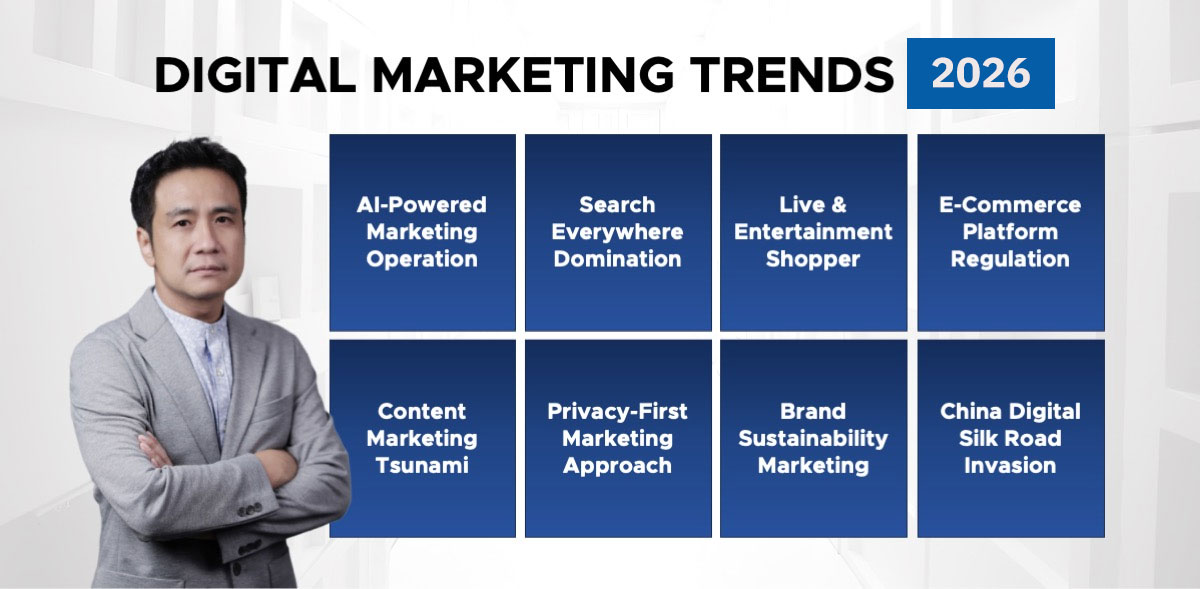
In the ever-evolving landscape of digital marketing, 2026 is poised to herald revolutionary changes that will redefine how businesses engage with their audiences. A common observation among marketers is the relentless pace at which technology is advancing, prompting a need for adaptability and foresight. Below, we delve into the top five digital marketing trends set to dominate in 2026, painting a vivid picture of what the future holds.
1. Hyper-Personalization through AI-Driven Insights
As consumers become increasingly inundated with content, hyper-personalization has emerged as a critical strategy for brands seeking to stand out. In 2026, the convergence of artificial intelligence (AI) and big data analytics will enable marketers to delve deeper into consumer behaviors and preferences. Rather than relying on generic demographic segments, businesses will harness AI to obtain granular insights, allowing for messages tailored not just to segments but to individuals.
This shift toward hyper-personalization is rooted in an innate human desire for connection and relevance. When customers encounter marketing that resonates on a personal level, they are more likely to engage, resulting in heightened loyalty and conversions. Expect brands to leverage AI algorithms that analyze user interactions across various touchpoints, crafting unique experiences that capitalize on specific consumer needs, preferences, and even emotional triggers.
2. Immersive Experiences via AR and VR
Augmented Reality (AR) and Virtual Reality (VR) technologies are set to revolutionize customer engagement by 2026. These immersive platforms offer brands the ability to transcend the traditional boundaries of digital interaction, providing users with experiences that captivate all their senses. By incorporating AR and VR into marketing campaigns, companies can create compelling narratives and immersive stories that not only inform but also engage.
Imagine a world where a customer can virtually ‘try on’ clothing or visualize how a piece of furniture would look in their living room, all from the comfort of their home. This form of experiential marketing taps into the psychology of consumer decision-making, allowing potential customers to visualize their purchases and reducing the friction often associated with online shopping. This trend speaks to a broader fascination with blending the digital and physical worlds, highlighting our insatiable curiosity for novel experiences.
3. The Rise of Voice Search and Conversational Marketing
As smart speakers and voice-activated technologies proliferate, the way consumers seek information is shifting. By 2026, voice search is expected to account for a significant portion of online inquiries, necessitating a paradigm shift in SEO strategies and content marketing. Brands will need to optimize their digital presence for natural language queries, enabling consumers to find information in a conversational manner.
This trend reflects a deeper cultural evolution towards immediacy and convenience, emphasizing our collective desire for efficient interactions. The rise of voice search also dovetails with the burgeoning field of conversational marketing, where chatbots and AI-driven virtual assistants engage consumers in real time. Brands that adopt these technologies will not only enhance customer experiences but will also streamline communication, nurturing leads in an increasingly competitive marketplace.
4. Sustainable and Ethical Marketing Practices
In the wake of growing environmental concerns and social justice movements, brands are under mounting pressure to demonstrate accountability and authenticity. By 2026, sustainable and ethical marketing practices will no longer be optional but rather a fundamental expectation from consumers. Brands that successfully integrate environmental stewardship into their marketing strategies will not only resonate with conscientious consumers but will also foster deeper brand loyalty.
This trend underscores a significant cultural shift – an acknowledgment that consumers are not just purchasing products; they are buying into a brand’s values and mission. As transparency becomes paramount, companies will need to disclose their supply chains, production processes, and community impact, creating a narrative that aligns with consumer values. The result is not merely a marketing strategy, but a profound commitment to shaping a better world, thus satisfying a shared human intuition for ethical consumption.
5. The Evolution of Influencer Marketing
Influencer marketing has rapidly evolved, and by 2026, it will reach unprecedented heights. With a diversifying digital ecosystem, micro and nano influencers with specialized audiences will take center stage. Brands will increasingly partner with these influencers, who offer authentic connections rather than mere reach. These collaborations will pivot toward a model that emphasizes genuine engagement and community trust over follower counts.
This evolution is driven by an innate yearning for authenticity and relatability in an age saturated with curated content. Consumers are increasingly discerning, preferring influencers who resonate with their own values and lifestyles. The resulting authenticity in marketing messages fosters a more profound bond between brands and consumers, aligning business objectives with genuine human experiences.
In conclusion, the digital marketing landscape of 2026 is characterized by a relentless pursuit of personalization, innovation, and ethical practices. As technology advances, these trends will shape not only how businesses connect with their customers but also how they fulfill their role in society. Ultimately, the future of digital marketing promises to be a rich tapestry of experiences, insights, and values that forge deeper connections in an increasingly complex world.