Outsourcing business operations has become an increasingly prevalent strategy within the corporate landscape. By delegating certain functions to external parties, companies aim to harness a spectrum of advantages while confronting a variety of challenges. This article delves into the multifaceted pros and cons of outsourcing business operations, offering insights into how organizations can navigate this complex decision-making process.
Pros of Outsourcing
1. Cost Efficiency
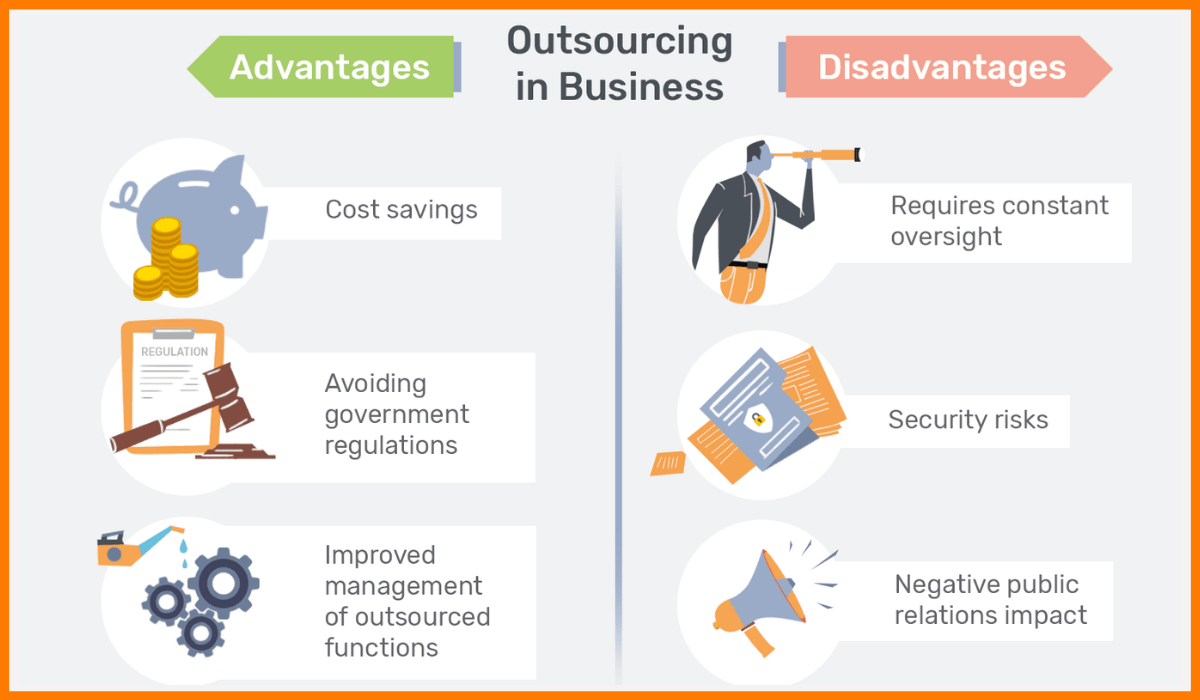
One of the most compelling reasons businesses opt for outsourcing is the potential for significant cost savings. Labor costs can be substantially reduced when tasks are delegated to countries with lower wage standards. This allows organizations to allocate resources more judiciously, enabling a greater investment in core competencies and innovations.
Moreover, outsourcing eliminates the need for infrastructural investments related to hiring full-time employees, such as benefits, training, and office space. Budget constraints can overpower an organization’s growth trajectory, making outsourcing an appealing alternative.
2. Access to Global Talent
Outsourcing opens the doors to a diverse pool of global talent. Companies can engage experts who possess unique skill sets that are not readily available within their local markets. This global talent acquisition bridges knowledge gaps, infusing fresh perspectives and specialized abilities that foster innovation and agility.
Furthermore, the collaboration with professionals versed in various technological landscapes enhances a company’s competitive edge, ultimately leading to superior product and service offerings.
3. Enhanced Focus on Core Functions
By outsourcing non-core functions, organizations can concentrate on their primary objectives. Whether it’s product development, customer service, or marketing, a keen focus on core capabilities fosters growth and efficiency. Resources that would normally be consumed by peripheral tasks can now be directed toward activities that directly impact revenue and business expansion.
This strategic shift not only bolsters company morale but also fosters a culture of innovation, as teams are encouraged to channel their energies into strategic initiatives without the distraction of ancillary functions.
4. Scalability and Flexibility
Outsourcing provides the scalability that rapidly growing enterprises often require. Businesses can quickly ramp up operations to meet increased demand without the daunting task of hiring and training new employees. This adaptability is particularly valuable in industries characterized by seasonal swings or fluctuating market conditions.
Additionally, outsourcing agreements can be tailored to match the evolving needs of the business, allowing for a dynamic approach that promotes resilience in a fast-paced environment.
5. Risk Management
Outsourcing can contribute to effective risk management within an organization. By distributing functions to specialized external partners, companies can mitigate specific operational risks, such as data security issues, compliance requirements, and market unpredictability. Vendors that specialize in certain areas often have better systems in place to navigate these challenges.
Moreover, outsourcing provides a buffer against market volatility, as it allows businesses to maintain flexibility in adjusting their operational capacities based on shifting economic landscapes.
Cons of Outsourcing
1. Loss of Control
While outsourcing can yield numerous advantages, it often comes at the price of relinquished control over specific operations. Depending on external partners can lead to misalignments in business priorities, as the quality of output may not consistently meet internal standards. This dissonance can manifest as a poor customer experience or brand deterioration.
Furthermore, reliance on third parties can complicate the oversight of crucial processes, creating a situation where businesses are less equipped to implement necessary changes or improvements.
2. Communication Barriers
Engaging with outsourced teams, especially those situated in different countries or cultural contexts, can result in communication challenges. Language barriers, time zone differences, and varying business practices can impede smooth dialogue, potentially leading to misunderstandings and delays.
Ineffective communication can hinder collaboration and stunt project progress, ultimately affecting the overall performance of the outsourced operations.
3. Hidden Costs
While initial cost savings are a primary motivation for outsourcing, hidden costs can quickly accumulate, eroding those benefits. Over time, expenses related to project management, vendor oversight, and quality assurance can become significant.
The renegotiation of contracts and potential for misaligned expectations can further inflate costs, rendering the initial budget projections obsolete. Companies must therefore conduct thorough due diligence to assess the total costs associated with outsourcing agreements.
4. Potential Impact on Company Culture
The incorporation of external partners can dilute the inherent company culture, as outsourced teams may not embody the same values and mission that guide internal employees. This cultural dissonance can lead to morale issues and a fragmented organizational identity.
Furthermore, an excessive dependence on outsourcing to fulfill operational needs may foster a disengaged employee base, as staff members may feel threatened by the potential for job displacement.
5. Security Risks
Outsourcing can introduce vulnerabilities related to data security, particularly when sensitive information is shared with third-party vendors. The risk of data breaches, intellectual property theft, or inadvertent exposure to compliance violations can pose significant liabilities for organizations.
Establishing robust security practices and selecting reputable outsourcing partners is imperative to mitigate these risks, yet companies must remain vigilant, as the external landscape is often unpredictable.
In conclusion, the decision to outsource business operations is multifaceted and nuanced, encapsulating an array of advantages and disadvantages. Companies that thoughtfully weigh these factors can navigate the complexities of outsourcing, paving the way for enhanced efficiency, innovation, and growth. By understanding the implications of outsourcing, organizations can craft strategies that harness its potential while mitigating its inherent challenges.