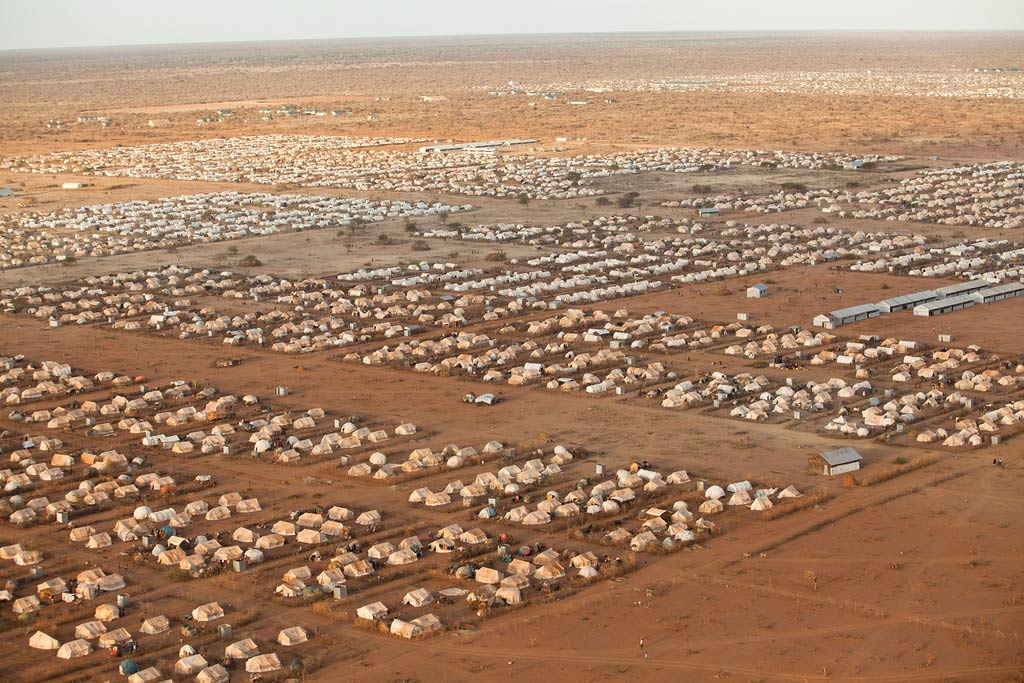
In the arid landscape of northeastern Kenya lies the Dadaab Refugee Camp, a sprawling settlement that has become synonymous with humanitarian aid efforts aimed at alleviating the plight of Somali refugees. Over the years, this camp has transformed not only into a refuge for countless displaced individuals but also a focal point for various organizations dedicated to providing essential services and sustenance for those in dire need. Beneath this overarching narrative, the intricate details of text messaging as a vital tool for aid distribution are pivotal in creating a thorough understanding of the ongoing initiatives. This article delves into the multifaceted aspects of text messaging in the context of humanitarian assistance in Dadaab, illuminating the various types of content and their profound impact.
1. Overview of Dadaab Camp’s Context
First established in 1991, the Dadaab Camp has burgeoned into one of the largest refugee camps globally, accommodating over 200,000 individuals. Its population predominantly comprises Somali nationals fleeing from civil unrest and famine. The camp experiences perennial challenges, including resource limitations, security issues, and health crises. Consequently, emergency aid initiatives need to be meticulously coordinated, echoing the urgency for innovative approaches, with text messaging emerging as a transformative medium.
2. The Role of Text Messaging in Humanitarian Aid
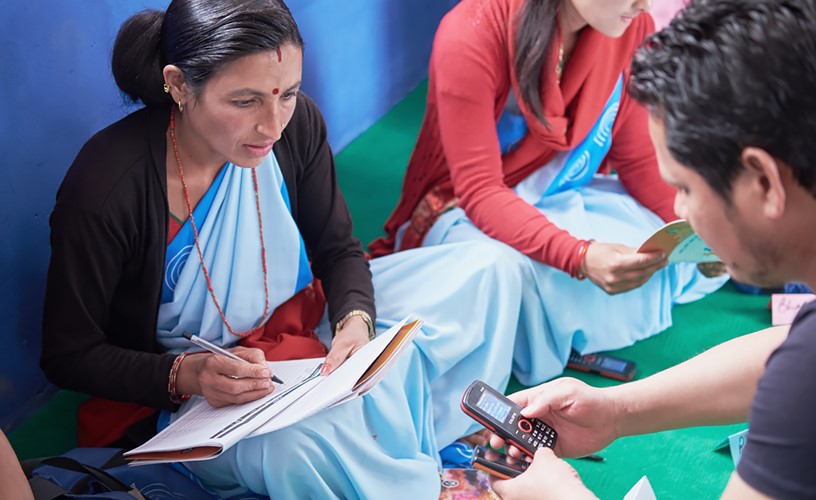
Text messaging serves as an indispensable conduit for communication between aid organizations and refugees. The mechanism simplifies the dissemination of critical information—ranging from safety alerts to assistance services. Oftentimes, the immediacy of SMS technology proves beneficial in dire situations where traditional communication methods falter.
3. Messaging for Emergency Alerts
In the unpredictable environment of Dadaab, emergency alerts via text messaging play a crucial role in safeguarding lives. Organizations utilize SMS to notify residents about imminent threats, such as adverse weather conditions or potential violence in surrounding areas. The crux of effective emergency communication lies in its immediacy; concise messages can alert thousands of individuals, prompting timely actions that potentially avert disaster.
4. Coordination of Humanitarian Services
Aid distribution involves intricate logistical planning. Text messaging provides a platform for coordinating such efforts by informing refugees about available services—food distributions, health care clinics, or educational programs. Clear messaging delineates schedules and locations, thereby streamlining the process and minimizing confusion that often accompanies the allocation of resources.
5. Feedback Mechanism and Community Engagement
One of the more enriching dimensions of text messaging lies in its capacity for fostering dialogue. Through SMS, refugees can voice their concerns, feedback, and suggestions regarding the aid they receive. This two-way communication enhances the effectiveness of aid delivery, ultimately leading to a more responsive and adaptive system. It also empowers refugees, as their voices gain significance in matters that impact their existence.
6. Health and Wellness Communication
The health challenges faced by individuals in Dadaab are profound. Text messaging serves as a vital instrument in disseminating information related to health and well-being. Messages may include health tips, vaccination schedules, and urgent notifications during outbreaks of diseases. This proactive approach encourages individuals to partake in health initiatives and promotes overall community wellness.
7. Educational Support through SMS
Education represents a beacon of hope for many refugee children, and text messaging can actively support their academic endeavors. Initiatives aimed at providing educational resources through SMS have gained traction, with messages containing study materials, reminders about school schedules, and motivational messages aiding in bolstering learner engagement. These resources help bridge the learning gap created by displacement.
8. Financial Support and Mobile Banking
As the global economy increasingly gravitates towards digital solutions, mobile banking options have started to penetrate refugee contexts. Text messaging can facilitate cash transfers for those in need, thereby providing a lifeline of financial support. This innovation empowers refugees by allowing them more autonomy over their resources and enhances their ability to meet their basic needs.
9. Challenges and Limitations
While the benefits of text messaging are abundantly clear, challenges persist. Not all refugees possess access to mobile phones, exacerbating existing disparities. Additionally, the language barrier can complicate effective communication, as not all messages may be easily comprehensible to every recipient. These limitations necessitate continuous assessments and adaptations to humanitarian communication strategies.
10. The Future of Text Messaging in Humanitarian Aid
Looking forward, the role of text messaging in Dadaab and other refugee camps is poised to expand. With technological advancements and an increased emphasis on digital literacy among refugees, the potential for improved communication flows and aid efficiency is immense. Moreover, as organizations refine their strategies based on feedback and evolving community needs, text messaging may evolve into an even more robust platform for delivering aid and fostering resilience among refugees.
In conclusion, the operations within the Dadaab Refugee Camp exemplify the transformative power of text messaging in humanitarian contexts. From emergency alerts to educational support, the types of content disseminated via SMS underscore the adaptability and crucial nature of communication in the face of adversity. As we continue to innovate and adapt, understanding these dynamics will remain key to improving the lives of those displaced by conflict, famine, and insecurity.