The phenomenon of social investing has burgeoned in recent years, particularly within the realm of mobile financial services aimed at alleviating poverty. Mobile money, a tool that empowers the unbanked and underbanked populations, has garnered momentum as it enables convenience and accessibility to essential financial services. This article delves into two recent investments strategically focused on expanding mobile financial services to the economically marginalized, underscoring their significance and potential impact.
To provide a comprehensive overview, we will first explore the landscape of mobile money and why it is pivotal in fostering financial inclusion. Following this, we will dissect two noteworthy investments aimed at enhancing mobile financial services provided to the poor, examining their unique approaches and anticipated outcomes.
The Landscape of Mobile Money and Financial Inclusion
Mobile money serves as a bridge that connects the underprivileged to a broader economic fabric. Through mobile phones, users can engage in various financial transactions—transferring money, paying bills, or accessing credit—without the need for traditional bank accounts. Given that approximately 1.7 billion adults remain unbanked globally, mobile money emerges as an indispensable tool for financial inclusion.
Furthermore, the COVID-19 pandemic has only amplified the urgency for such services, revealing vulnerabilities within the traditional banking infrastructure. As economic uncertainty looms, mobile money platforms offer a solution for safeguarding savings and facilitating safe transactions. Consequently, investors and entrepreneurs have recognized the immense potential in developing and expanding mobile financial services targeted at economically disadvantaged communities.
Investment One: Enhancing Infrastructure in Africa
In the first case study, a consortium of investors has recently contributed a significant amount of funding to a burgeoning mobile financial service in sub-Saharan Africa. This initiative aims to harness innovative technology tailored specifically for the region’s unique challenges. By leveraging existing telecommunications networks, the investment seeks to enhance the infrastructure necessary for facilitating smooth transactions and communications.
This project places special emphasis on user experience, ensuring that the interface is intuitive and accessible, even for individuals who lack extensive digital literacy. It incorporates local languages and culturally relevant tools to ensure widespread usability. Notably, this initiative also provides educational resources to inform users about the functional benefits of mobile money, aiming to demystify technology adoption.
The consortium’s strategy further includes partnership with local merchants to create an expansive ecosystem that endorses cashless transactions. By incentivizing businesses to accept mobile payments, the investment seeks to elevate not only individual financial capability but also stimulate local economies. This symbiotic relationship fosters a sense of community ownership that is vital for the success of financial services in impoverished regions.
In terms of expected outcomes, this investment is projected to enhance access to financial services for millions, reducing reliance on informal lending sources that often exploit the vulnerable. With a transparent pricing structure and regulated practices, it aspires to create a safe financial environment in which users can build credit histories and access more substantial financial products over time.
Investment Two: Microloans and Financial Literacy in South Asia
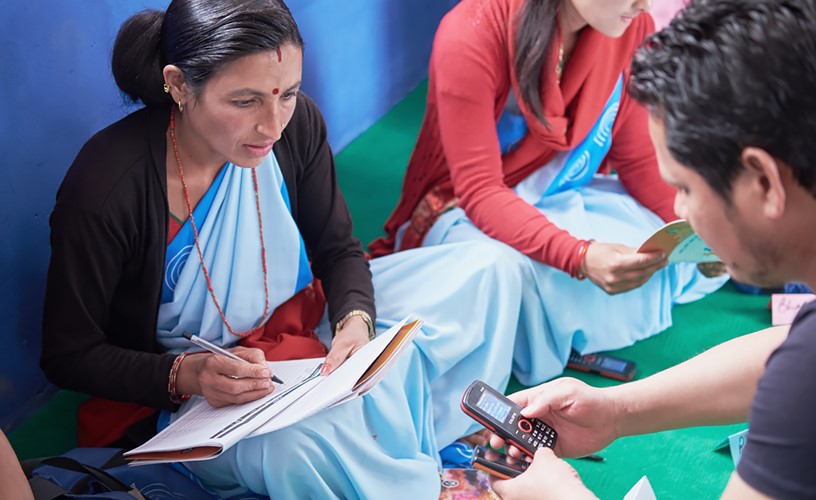
The second notable investment centers around a mobile money platform in South Asia that provides microloans and financial literacy resources tailored for low-income individuals and small business owners. Addressing two critical barriers simultaneously, this initiative not only aims to provide immediate liquidity through microfinancing but also emphasizes the importance of financial education.
By utilizing sophisticated data analytics, the platform can assess the creditworthiness of potential borrowers who may lack formal credit histories. This dynamic assessment allows for more inclusive lending criteria, thereby filtering out inherent biases. Through this investment, users gain access to small amounts of capital, promoting entrepreneurship and enabling them to invest in necessary resources—be it in purchasing inventory, equipment, or funding unexpected expenses.
Moreover, the financial literacy component is intricately woven into the platform. Users have access to instructional videos, informational articles, and interactive tools designed to equip them with foundational financial knowledge. By emphasizing concepts such as budgeting, saving, and responsible borrowing, the investment aspires to cultivate a financially literate customer base that empowers individuals to make informed decisions.
The anticipated impact of this investment is multifaceted. By providing microloans and elevating financial education, the initiative has the potential to uplift entire communities, creating a ripple effect of economic empowerment. As users gain financial confidence, they are better positioned to tap into higher-order financial instruments, thus elevating their economic standing and contributing to sustained community development.
Conclusion: A Vision for the Future
The investments in mobile financial services represent a momentous stride towards realizing a more inclusive financial ecosystem. By focusing on accessibility, education, and user experience, these initiatives address the harsh realities faced by economically disadvantaged populations. Through bolstering mobile money infrastructure in Africa and providing microloans alongside financial literacy in South Asia, the potential for transformative change becomes conspicuous.
The expanding realm of social investing within mobile money underscores the growing recognition of economic inclusion as a fundamental human necessity. With continued investment and commitment to understanding the unique challenges of the underserved, the dream of eradicating poverty through financial empowerment moves closer to fruition. As technology evolves, so too does the opportunity to create resilient economic frameworks for those who have long been overlooked.