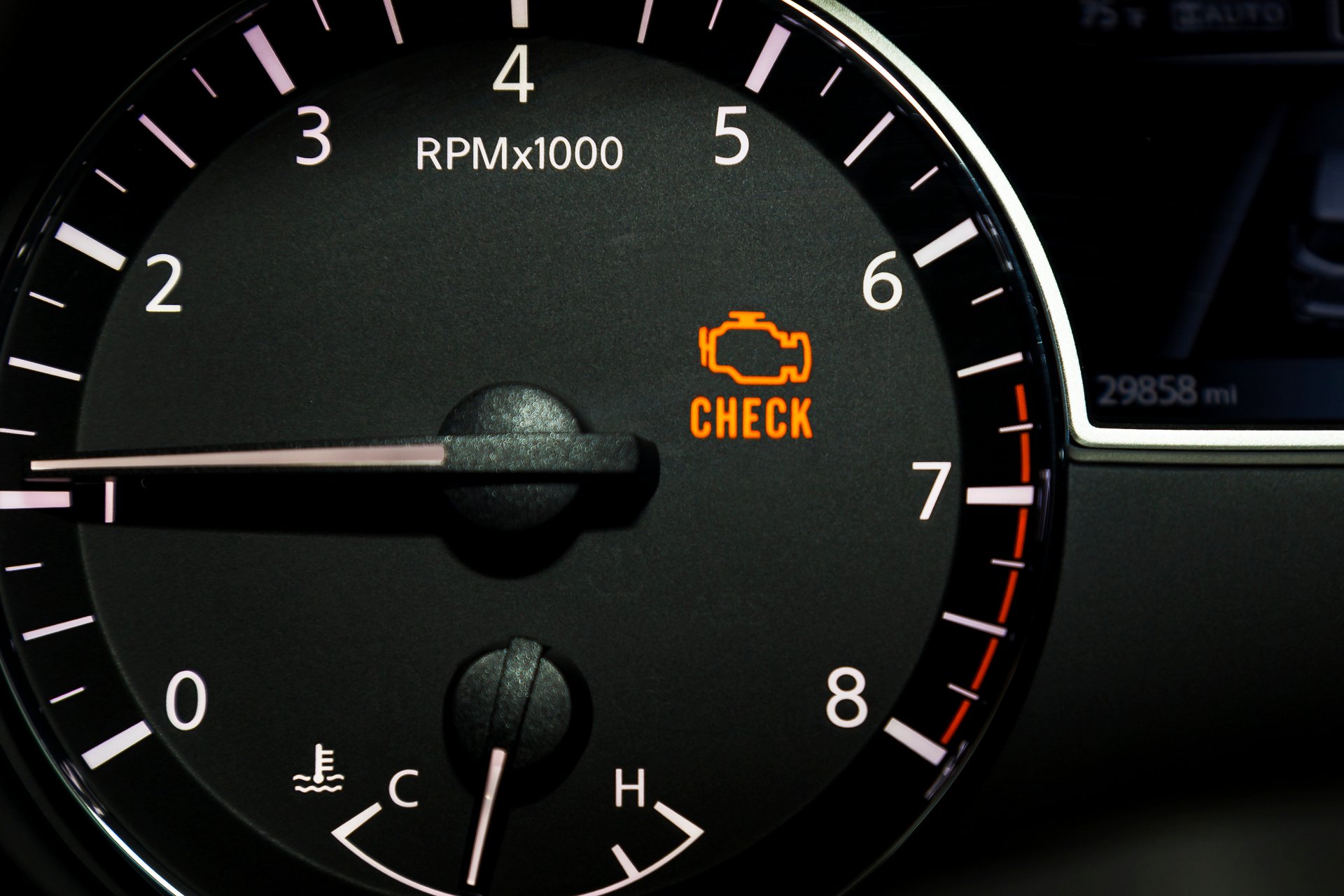
When the check engine light illuminates on your vehicle’s dashboard, a profound sense of unease often washes over drivers. The realization that something is amiss under the hood can provoke a cascade of questions, fears, and uncertainties. Should you be concerned? What does this enigmatic light signify? In this article, we will meticulously dissect the nuances of the check engine light, dissecting these questions in a comprehensive manner. By the end, you will be better equipped to navigate this pivotal moment in your automotive experience.
What Does the Check Engine Light Indicate?
The check engine light, also known as the Malfunction Indicator Lamp (MIL), serves as a vigilant sentinel, alerting you to potential issues within your vehicle’s engine and emission systems. This multifaceted light can trigger due to a plethora of reasons, ranging from trivial to critical. It may denote minor inconveniences, such as a loose gas cap, or herald significant malfunctions, including concerns with the catalytic converter or transmission system.
Different Colors and Patterns: A Clue to Severity
Understanding the color and behavior of the check engine light is vital in assessing the urgency of the situation. Most vehicles utilize three primary color codes: yellow (or amber), red, and blinking.
- Yellow Light: Generally, a yellow check engine light indicates a less severe issue. While it warrants prompt attention, it is often safe to drive for a short duration. Possible causes include faulty oxygen sensors or problems with the ignition system.
- Red Light: A red check engine light is alarming and signifies a potential critical issue. It usually indicates immediate attention is required, such as engine overheating or oil pressure loss. Ignoring this signal may result in extensive damage.
- Flashing Light: If the check engine light flashes, it indicates a severe problem that could lead to significant engine damage. This scenario often relates to misfiring cylinders or extreme emissions issues. Cease driving immediately and seek professional assistance.
Common Triggers for the Check Engine Light
Delving deeper into the myriad of reasons behind the check engine light’s activation can provide insight into what might be plaguing your vehicle. Some of the most frequent culprits include:
- Loose or Damaged Gas Cap: A simple yet often overlooked issue, an improperly sealed gas cap can introduce air into the fuel system, resulting in diminished fuel efficiency and elevated emissions.
- Faulty Oxygen Sensor: The oxygen sensor monitors the amount of unburned oxygen in the exhaust. If it malfunctions, it can lead to poor fuel economy and increased emissions.
- Malfunctioning Catalytic Converter: This critical component reduces harmful emissions. If faulty, it can severely affect engine performance and efficiency.
- Inadequate Spark Plugs: Worn or faulty spark plugs can cause the engine to misfire, leading to reduced power and higher fuel consumption.
- Vacuum Leaks: Cracks or breaks in the vacuum hoses can lead to improper air-fuel mixture, resulting in rough idling and stalling.
Immediate Actions to Take
As a responsible driver, knowing the steps to take when faced with an illuminated check engine light can be pivotal. First and foremost, consult the owner’s manual for specific guidance related to your vehicle’s warning indicators. The following actions can help you navigate this scenario:
- Conduct a Visual Inspection: Check for noticeable issues, such as loose wires, leaks, or damaged components. Pay special attention to the gas cap, ensuring it is securely fastened.
- Monitor Vehicle Performance: Assess how the vehicle behaves. Are there unusual sounds, decreased power, or changes in fuel efficiency? Note these details for your mechanic.
- Retrieve Diagnostic Codes: Utilize an OBD-II scanner to retrieve diagnostic trouble codes (DTCs). This can provide invaluable insights into the nature of the malfunction.
Considering Professional Assistance
Regardless of your DIY skills, many situations necessitate the expertise of a certified mechanic. If the check engine light persists, or if it emits a red or flashing warning, immediacy is crucial. The investments made in professional diagnostics and repairs can save you significant costs in the long run by preventing more extensive damage.
Understanding Emission Regulations
It’s also essential to recognize that the check engine light isn’t just an inconvenience; it serves a broader purpose. Federal regulations mandate that vehicles meet specific emission standards. Ignoring potential issues flagged by the check engine light may lead to non-compliance with environmental laws, resulting in hefty fines and penalties.
The Benefits of Proactive Maintenance
One of the best ways to mitigate the stress associated with the check engine light is embracing a proactive maintenance approach. Regularly scheduled maintenance services not only enhance the longevity of your vehicle but also reduce the likelihood of unexpected issues. This includes routine inspections, timely oil changes, and replacing worn-out parts before they contribute to larger malfunctions.
Ultimately, while the check engine light can be a source of anxiety for drivers, understanding its implications and responding appropriately can demystify the experience. By arming yourself with knowledge and taking the initiative, you can tackle the challenges posed by this ubiquitous automotive alert with confidence and composure.