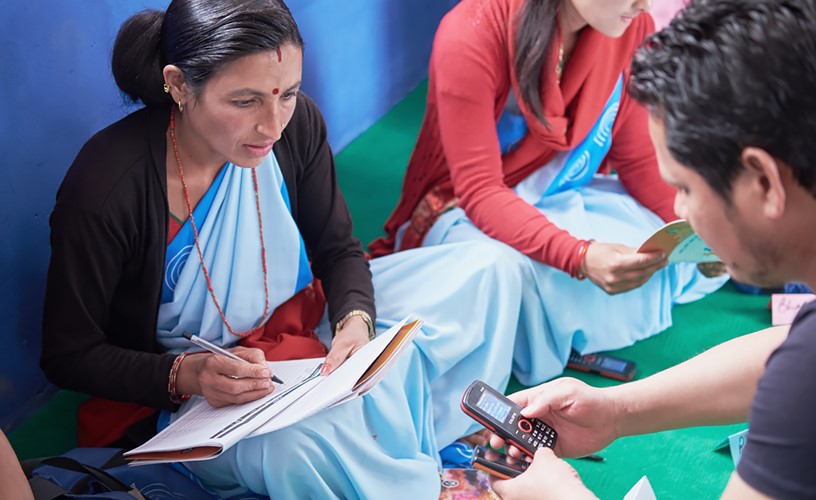
The Rural Connectivity Challenge stands at the heart of a transformative movement aimed at bridging the vast chasm between urban and rural landscapes. While the hustle and bustle of city life thrives on instant connectivity, the rural edges of our societies continue to grapple with inadequate access to essential resources, services, and, most critically, information and communication technologies (ICT). This initiative promises not only to enhance connectivity but also to offer a fresh perspective on how we perceive rural life and its potential.
As technology continues to proliferate, the imperative to integrate rural communities into the digital fold becomes ever more pressing. The current connectivity gap is not merely a technological deficiency; it symbolizes an inequitable distribution of opportunity. This disconnect fosters a cycle of isolation, limiting economic growth, social cohesion, and educational advancement in rural locales. Addressing the Rural Connectivity Challenge is essential in reframing this narrative and unlocking the hidden potential of rural areas.
To delve deeper into this subject, it’s vital to consider several key components of the challenge and the myriad of solutions that can fuel progress.
1. Understanding the Scope of the Connectivity Gap
Estimates suggest that millions of residents in rural areas lack reliable access to broadband services. This situation is exacerbated by geographical obstacles, economic constraints, and insufficient infrastructure. Many rural communities are encumbered by long distances from urban centers, which complicates the installation of advanced telecommunications systems. Moreover, disconnected from the advantages brought about by digital platforms, rural inhabitants often find their options limited—affecting everything from healthcare access to educational resources.
2. The Socioeconomic Ramifications
Rural connectivity is intricately tied to socioeconomic outcomes. Limited internet access restricts the ability of farmers to utilize precision agriculture technologies, impeding productivity and stunting innovation in the agricultural sector. Additionally, small businesses in rural areas struggle to reach wider markets due to insufficient online presence and e-commerce capabilities. Access to telehealth services—an increasingly vital resource—also diminishes, leaving rural populations at a disadvantage, particularly in times of crisis.
Time and again, statistics have demonstrated a correlation between improved connectivity and economic viability. Enhanced internet infrastructure results in job creation, attracts investment, and encourages rural entrepreneurship. When communities are equipped with the right tools, they are more likely to thrive and realize their intrinsic potential.
3. Innovative Solutions: Collaborating for Change
Addressing the Rural Connectivity Challenge requires collaborative efforts among government entities, private corporations, and local communities. Initiatives such as public-private partnerships can facilitate the necessary investment in infrastructure development. A noteworthy approach includes the deployment of small satellites and drone-based connectivity solutions, deftly circumventing traditional barriers associated with laying cable.
Moreover, community-led efforts, including mesh networks, have shown promise in fostering grassroots connectivity. By empowering local residents to take charge of their connectivity solutions, these initiatives cultivate a sense of agency and sustainability among rural populations.
4. Policy Interventions: A Framework for Progress
Government policies play a pivotal role in shaping the landscape of rural connectivity. Subsidies for internet service providers to expand their reach into underserved areas, coupled with regulatory reforms that promote competition, can catalyze the development of a robust digital framework. Furthermore, streamlining the permitting process for infrastructure projects can reduce delays, allowing for expeditious deployment of network technologies.
Such policies must also address the nuances of affordability. By ensuring that internet services are not only accessible but also economically viable, policymakers can foster an environment where rural inhabitants reap the full benefits of a connected world.
5. Cultural Capital and Digital Inclusion
However, even as infrastructure improves, it is vital to recognize that connectivity is not solely a matter of access; it is also about inclusion. Cultural capital—an understanding of digital literacy and the socio-economic contexts that influence technology adoption—plays a significant role in determining a community’s ability to leverage connectivity effectively. Initiatives that focus on training and empowering individuals can galvanize rural populations to adopt new technologies with confidence.
Workshops, mentorship programs, and local educational initiatives can equip residents with the skills they need to navigate the digital landscape. By placing emphasis on digital aptitude, communities can foster environments where technology is utilized as a tool for empowerment and growth.
6. A Future Vision: The Promise of a Connected Rural Landscape
Expanding access to the rural edge is not simply about infrastructures like towers and cables; it is about envisioning a future where rural communities flourish, unshackled by the chains of isolation. A scenario where telemedicine thrives, e-learning platforms replace geographical boundaries, and local businesses can compete on a global stage is not beyond reach. Investing in rural connectivity is akin to planting seeds for a future ripe with potential.
As efforts to overcome these obstacles gain momentum, what emerges is a narrative that celebrates resilience, innovation, and community. It holds the promise of catalyzing social change—not just within rural regions but across society as a whole. Through a commitment to equitable connectivity, we illuminate the path toward a more inclusive and prosperous future. Stand by as communities poised on the verge of digital transformation redefine what it means to live and thrive at the rural edge.