As we navigate the complexities of the modern world, one playful question emerges: What if we turned our gaze inward and took a fresh look at India? This vibrant tapestry of cultures, languages, and histories presents a challenge: How can we truly comprehend the essence of a nation that remains an enigma to many? With over a billion inhabitants and an array of traditions, India is both a story waiting to be told and a puzzle begging to be solved. Let’s embark on a journey of reexamination, dissecting multifaceted layers of identity, socio-economic dynamics, cultural heritage, and its place on the global stage.
To start, the concept of identity in India is as intricate as its diverse fabric. Predominantly recognized through the prism of ethnicity, religion, and language, Indian identity is multifarious. The country boasts over 2,000 distinct ethnic groups and more than 1,600 spoken languages. This kaleidoscope of diversity often leads to the portrayal of multifaceted identities, where individuals might find themselves at the intersection of various cultural narratives. How does one reconcile being Indian while embracing the nuances of regional affiliations? The challenge lies in appreciating the plurality that makes India unique while still recognizing the shared threads that bind its people.
Moving beyond identity, let’s delve into the socio-economic landscape, which presents both opportunities and challenges. India’s economy is an audaciously dynamic entity, transitioning from a predominantly agrarian foundation to one increasingly characterized by technology and service industries. The ambitious digital transformation, punctuated by the rise of startups and innovation hubs, showcases the country’s potential. However, staggering inequalities remain a critical issue. While major cities burgeon with affluence, rural areas often grapple with poverty and lack of infrastructure. What will it take for India to bridge this gap and create a more equitable financial landscape?
As we peel back the layers of poverty and wealth, education emerges as a pivotal cornerstone. The educational system in India exhibits a juxtaposition of elite institutions and underfunded schools. The challenge is to cultivate a holistic educational environment that nurtures creativity and critical thinking. There is an entrenched belief that rote memorization suffices; however, the necessity for a paradigm shift in pedagogical approaches is evident. How can the nation foster an education system that not only produces skilled labor but also nurtures innovative thinkers who can address contemporary challenges?
Exploring India’s rich cultural heritage offers another realm of reflection. The country is steeped in an extraordinary tradition of arts, music, dance, and literature, with roots extending back thousands of years. Festivals such as Diwali and Holi are celebrated with exuberance, serving as palpable reminders of communal ties and shared histories. Nevertheless, the challenge of preserving this heritage, amidst a rapidly modernizing society, looms large. In an age dominated by globalization, how can India maintain its cultural legacy while simultaneously embracing innovation and change? This dance between preservation and progression is not merely philosophical—it shapes the very identity of the nation.
In addition to these internal dynamics, India’s geopolitical position significantly influences its global interactions. As the world’s most populous democracy, India possesses unique leverage on the international stage. The relationships with neighboring countries, especially within the South Asian region, merit careful examination. With historical tensions and collaborations, geopolitical diplomacy becomes not just a matter of policy but an intricate balancing act. The question persists: How can India assert its strengths, fostering regional stability while navigating complex alliances and rivalries?
Moreover, India’s environmental challenges—ranging from pollution to climate change—create an urgent demand for innovative solutions. The country faces the paradox of being one of the highest polluters yet also home to some of the most groundbreaking sustainability initiatives. The ambitious programs aimed at harnessing renewable resources showcase a pathway towards ecological restoration. However, as urbanization accelerates, can India strike a balance between development and environmental stewardship? The crux of the matter lies in aligning economic growth with practices that enhance ecological integrity.
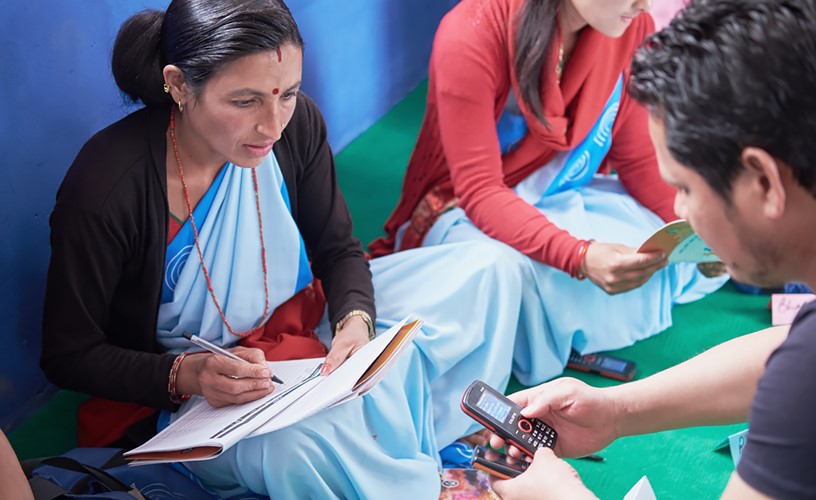
Another intriguing aspect is the role of technology. The digital landscape in India has experienced a profound transformation, especially in the context of mobile connectivity and artificial intelligence. From payment systems to online education platforms, technology is reshaping everyday life. Yet, this rapid digitalization brings challenges, particularly concerning privacy, data security, and the digital divide. How can India ensure that technological advancements empower all citizens equally, rather than exacerbating existing disparities?
As we reexamine India, it becomes clear that its future hinges on how it addresses multifaceted challenges with creativity, resilience, and inclusivity. Each layer we explore raises further questions, urging us to consider the implications of progress while honoring tradition. The playful inquiry transforms into a serious endeavor of understanding—a quest to appreciate India’s complexities and contributions to the global narrative. In doing so, we might not only gain insights into this remarkable nation but also reflect on our values, aspirations, and the collective challenges we face in an ever-evolving world.