The phrase “Power to the Rural People” encapsulates a profound and transformative movement toward inclusivity, autonomy, and sustainable development in the rural arena. This concept is not merely a rallying cry but a clarion call that resonates deeply in the hearts of those who dwell in less urbanized regions. With a rich tapestry of history, challenges, and emerging opportunities, exploring the multifaceted dimensions of empowering rural populations unveils a narrative ripe with promise and progression.
1. **Historical Context: The Roots of Empowerment**
Understanding the present necessitates an exploration of the past. Historically, rural areas have faced systemic neglect, characterized by limited access to education, healthcare, and infrastructure. However, pivotal movements have emerged over the decades, galvanizing local communities and urging a paradigm shift. Grassroots organizations, cooperative models, and local leadership have laid the groundwork for a resurgence of rural empowerment. This nascent awakening signifies a robust foundation from which rural populations can reclaim agency and drive change.
2. **Demystifying Rural Development: Common Misconceptions**
A common misconceptions about rural communities is that they are stagnant or unchanging. However, the reality is starkly different. Rural areas are vibrant ecosystems filled with cultural richness, innovation, and resilience. The undercurrents of change often stem from local initiatives aimed at harnessing resources and knowledge within communities. Misconceptions fade when one ventures beyond the typical narratives, revealing a kaleidoscope of ingenuity and adaptation that belies the stereotype of rural life as merely languishing behind urban hubs.
3. **Technological Integration: Bridging the Urban-Rural Divide**
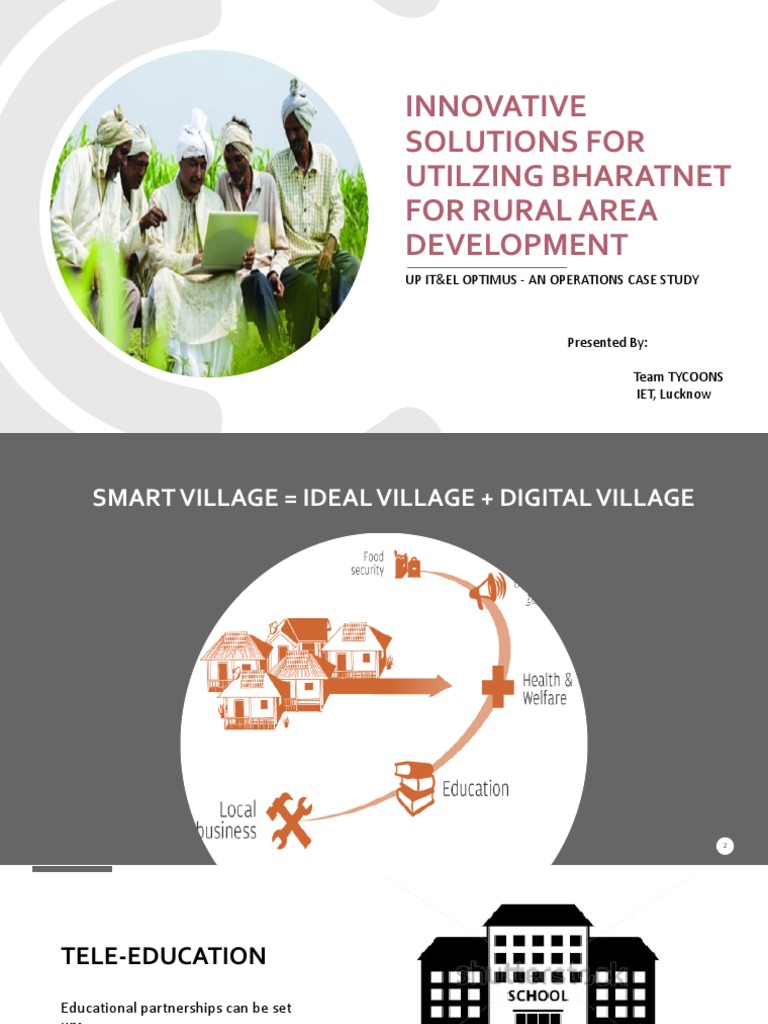
In an age dominated by technology, the integration of digital solutions is pivotal for rural empowerment. High-speed internet access and digital literacy programs are surging waves of transformation, fostering a new era of connectivity. Through online education, e-commerce platforms, and telemedicine services, rural residents are gaining unprecedented access to resources and opportunities. This connectivity not only enhances the quality of life but also stimulates local economies and enables participation in the broader market. As these technological bridges strengthen, they redefine the landscape of rural existence.
4. **Sustainable Agriculture: A Catalyst for Change**
Agriculture serves as the bedrock of many rural communities, and the transition to sustainable practices is paramount. Agroecology, permaculture, and regenerative farming techniques are gaining traction as methodologies that bolster food security, improve soil health, and bolster local economies. By fostering environmentally-friendly practices, rural populations can become both stewards of the land and beneficiaries of its abundance. This mutualistic relationship between the community and nature creates a framework for not just survival, but for thriving amidst burgeoning challenges.
5. **Education and Capacity Building: Empowering Future Generations**
Investment in education is indispensable for nurturing the next generation of rural leaders. Innovative educational programs focused on skills development, entrepreneurship, and environmental sustainability pave pathways for youth to become change agents. Enriching curricula that incorporate local culture and knowledge fosters a sense of pride and continuity. This empowerment through education harnesses local intellect, enabling rural communities to forge their identities and destinies, transforming learners into visionary leaders equipped to tackle both local and global issues.
6. **Community Engagement: The Heart of Empowerment**
Grassroots movements, local activism, and community-led initiatives are crucial in the quest for empowerment. Strong networks can galvanize support around shared goals, whether it involves advocacy for clean water, renewable energy projects, or communal farms. By fostering collaboration among residents, localized strategies emerge, creating a sense of belonging and purpose. This engagement cultivates resilience, allowing communities to adapt and respond more effectively to external challenges, thus fortifying their autonomy.
7. **Finance and Microcredit: Fueling Local Economies**
Financial independence is a cornerstone of empowerment. Access to microcredit and financial education for rural entrepreneurs can catalyze economic growth and self-sufficiency. By providing resources to small businesses and innovation-driven startups, rural areas can reduce dependency on urban markets. Financial literacy programs enhance understanding of savings, investments, and fiscal responsibility, laying the groundwork for sustainable economic practices. As local economies flourish, so too does the fabric of rural life, interweaving hope and opportunity.
8. **Cultural Heritage: An Untapped Resource**
Rural communities are often rich in cultural and historical nuances that can be leveraged for tourism and local business ventures. The promotion of local crafts, folklore, and culinary traditions not only preserves heritage but also generates income and fosters local pride. Recognizing and celebrating cultural identity empowers communities to embrace their uniqueness, creating a distinct narrative in the global marketplace. This cultural renaissance invites curiosity and exploration, drawing visitors who seek authenticity off the beaten path.
9. **Future Vision: A Blueprint for Empowerment**
The vision for empowering rural populations extends into the future, urging a collaborative effort among governments, NGOs, and the communities themselves. Policies fostering inclusivity, sustainability, and innovation can reshape the rural landscape, creating ecosystems that honor both tradition and modernity. By embracing a holistic approach, the promise of “Power to the Rural People” can manifest as a sustainable reality, fostering durable connections and symbiotic relationships within and beyond rural settings.
In conclusion, empowering rural communities is not just an abstract concept; it is a vibrant movement poised for tangible impact. By leveraging history, technology, education, sustainable practices, and cultural heritage, the aspirations of rural populations can be transformed into realities, enriching not only their lives but also the broader societal fabric. The question remains: how will communities leverage this potential, and what innovative paths will they carve in the journey toward empowerment?