In the context of Moldova, a land rich with agricultural potential yet challenged by socio-economic obstacles, the integration of Information and Communication Technologies (ICTs) emerges as a transformative catalyst. The convergence of agriculture and technology has the potential to plant the seeds of growth that can revolutionize the Moldovan economy. Below, we explore the various dimensions of employing ICTs in Moldova’s agricultural sector, detailing the numerous benefits and innovative approaches that can lead to sustainable growth.
1. Overview of Moldova’s Agricultural Landscape
Moldova’s economy is predominantly agrarian, with a significant portion of the population engaged in agriculture. The fertile soil and favorable climate are conducive to producing diverse crops, from grains to fruits and vegetables. However, the sector faces numerous challenges such as outdated farming practices, limited access to modern technologies, and insufficient market connectivity. These obstacles necessitate the adoption of innovative solutions to harness the full potential of Moldova’s agricultural sector.
2. The Role of ICT in Modern Agriculture
The integration of ICT in agriculture enables farmers to leverage data, improve decision-making, and enhance efficiency. From mobile applications that provide weather forecasts to precision farming tools that optimize resource usage, ICTs are reshaping the agricultural paradigm. By facilitating access to information, farmers can make informed choices that directly impact yields and sustainability.
3. Mobile Applications for Agricultural Insights
Mobile technology plays a pivotal role in disseminating crucial agricultural information. Users can download applications that provide tailored advice on crop management, pest control, and optimal planting times. For example, farmers can receive alerts regarding pest outbreaks or disease risks, allowing them to act preemptively. Such applications foster a culture of proactive farming, thereby enhancing productivity.
4. E-Agriculture Platforms and Market Access
In a bid to bridge the gap between farmers and markets, e-agriculture platforms offer an avenue for smallholders to sell their products. Through these digital marketplaces, farmers can access broader consumer networks, reducing dependency on intermediaries. This not only ensures better prices for their produce but also promotes transparency in transactions. Additionally, e-agriculture platforms often feature educational content, further empowering farmers with knowledge about best practices and market trends.
5. Precision Agriculture and Data Analytics
One of the most impactful uses of ICT in agriculture is precision farming. Utilizing sensors, GPS, and data analytics, farmers can monitor crop health, soil conditions, and weather patterns. Such technologies allow for tailored interventions, optimizing the use of fertilizers and water. By analyzing data collected from the field, farmers can enhance productivity while minimizing environmental impacts. This data-driven approach is instrumental in steering Moldova towards sustainable agricultural practices.
6. Telecommunication and Connectivity Issues
While the potential for ICTs in agriculture is immense, challenges such as inadequate telecommunications infrastructure remain prominent. Many rural areas in Moldova struggle with limited internet access, which hinders the adoption of digital solutions. Therefore, investments in infrastructure are paramount to ensure that all farmers can benefit from modern agricultural technologies. Strengthening connectivity will not only facilitate information flow but also enhance collaboration among stakeholders within the agricultural ecosystem.
7. Training and Capacity Building
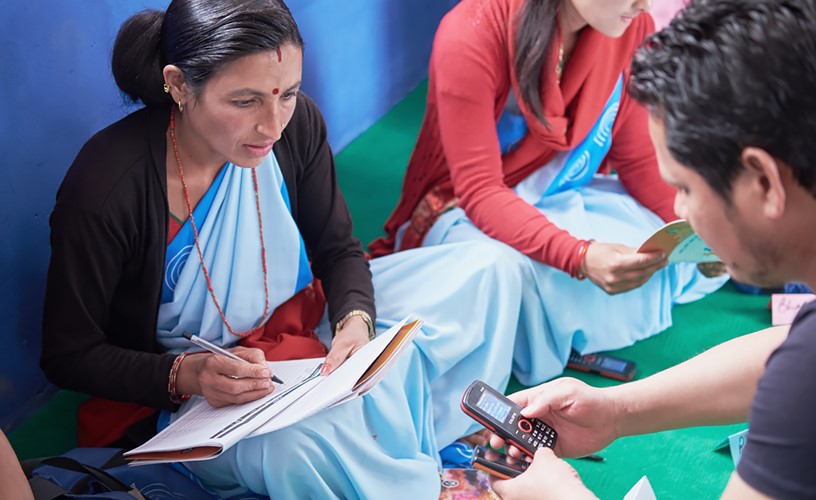
The successful implementation of ICTs in agriculture hinges on the ability of farmers to utilize these tools effectively. Hence, initiatives aimed at training and capacity building are crucial. Workshops, online courses, and on-the-ground training sessions can equip farmers with the necessary skills to navigate digital platforms. By fostering digital literacy, Moldova can cultivate a generation of tech-savvy farmers ready to adopt innovative agricultural practices.
8. Collaborations with Tech Innovators
Moreover, collaboration between agricultural stakeholders and technology innovators is essential. Creating partnerships between universities, research institutions, and tech startups can accelerate the development of tailored solutions for Moldova’s unique agricultural challenges. Investing in local talent ensures that innovations are not only relevant but also culturally and contextually appropriate.
9. Policy Framework and Support Mechanisms
To genuinely harness the power of ICTs in agriculture, a supportive policy framework must be established. Policymakers can facilitate this transition by providing incentives for the adoption of technology, investing in rural infrastructure, and fostering public-private partnerships. Additionally, developing policies that promote digital inclusion will ensure equitable access to technology, bridging the urban-rural divide.
10. The Future of Agriculture in Moldova
As Moldova continues to embrace ICTs in agriculture, the future appears increasingly promising. By planting the seeds of technological growth in this vital sector, the country can bolster its economy, enhance food security, and elevate the standard of living for its agricultural communities. Through sustained efforts toward technological integration and societal empowerment, Moldova is on the cusp of a new agricultural renaissance, marking a significant stride toward modernization and resilience in the face of global challenges.
In conclusion, the synergy between ICTs and agriculture in Moldova holds immense potential for fostering economic growth and sustainability. By embracing innovation, investing in infrastructure, and prioritizing education, the Moldovan agricultural sector can rise from its challenges to flourish in the modern era. The path to a prosperous agricultural future is clear, and with a concerted effort, Moldova can transform not just its fields but also the lives of its farmers and communities.