The Nigerian financial landscape is evolving at an exhilarating pace, punctuated by a significant initiative from the Central Bank of Nigeria (CBN) to issue more mobile money licenses. As the world increasingly gravitates toward digital transactions, one must wonder: are we on the brink of a cashless revolution, or are there complexities lurking beneath the surface? As the CBN embraces this digital shift, the implications for consumers, businesses, and the broader economy warrant an in-depth exploration.
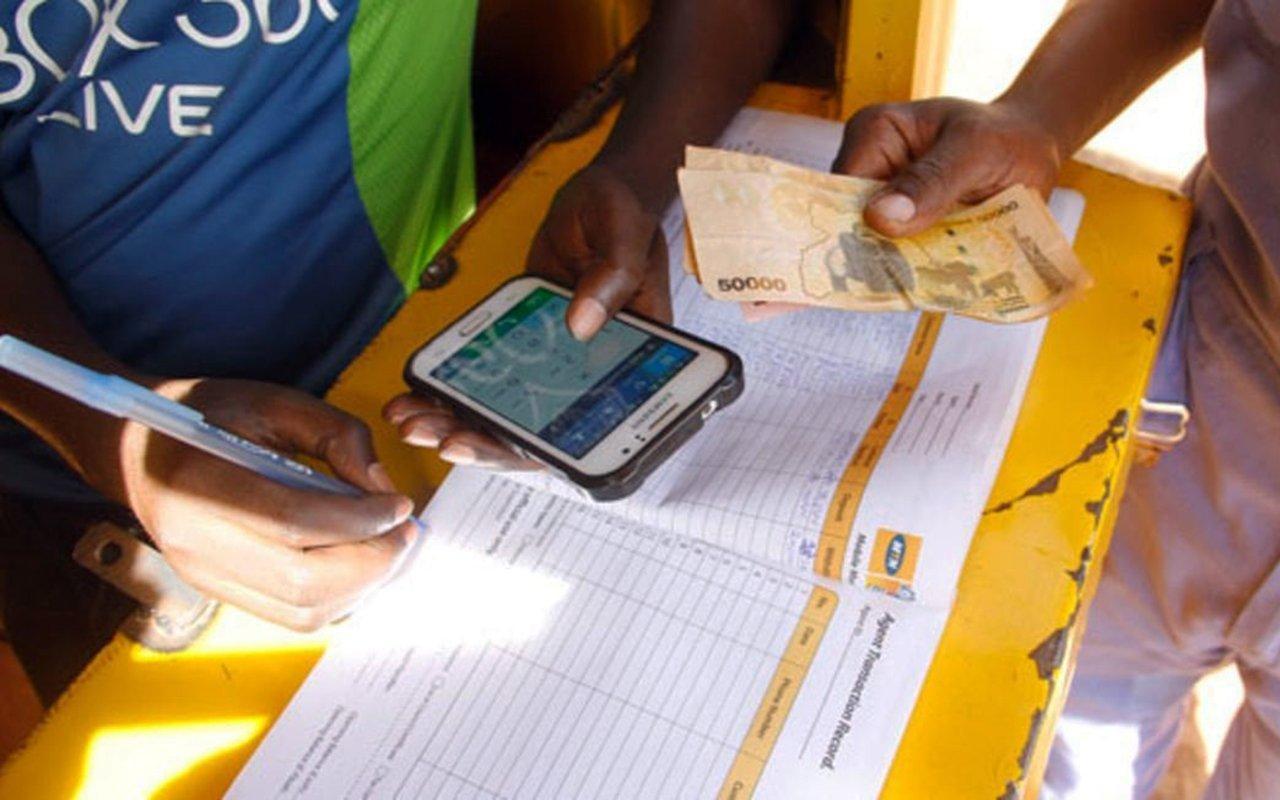
Traditionally, the banking sector in Nigeria has been encumbered by numerous challenges, including limited access, high transaction costs, and an excessively cumbersome manual process. In response, the CBN’s decision to expand mobile money licenses signifies a proactive strategy aimed at promoting financial inclusion, encouraging economic growth, and harnessing technology to streamline transactions. Mobile money, which allows users to conduct financial transactions via their smartphones, offers a panacea for many of the barriers that have historically plagued the Nigerian banking system.
The issuance of additional licenses opens the floodgates for new players in the mobile money arena, fostering a competitive landscape. This, in turn, can fuel innovation as companies strive to differentiate their services. One can envision a plethora of options available to consumers: from payment solutions and savings accounts to investment opportunities, all accessible via a mobile device. With over 100 million mobile phone users in Nigeria, the potential market for mobile money services is staggering. However, the question remains: can all these new entrants coexist in a market ripe with both opportunity and saturation?
Another facet to consider is the vital role that mobile money plays in the agricultural sector, which serves as the backbone of Nigeria’s economy. Farmers, often located in remote areas, face significant hurdles in accessing traditional banking services. Mobile money provides an avenue for these individuals to receive payments for their produce, manage finances efficiently, and engage in transactions without the need for physical cash. This shift could potentially transform agricultural dynamics, allowing farmers to thrive in a digital age.
Despite these promising developments, the introduction of numerous mobile money services does not come without its challenges. One major issue looming over the expansion is the potential for regulatory hurdles. The CBN, while enthusiastic about fostering innovation, must also grapple with the need to implement robust regulations that safeguard consumer interests. The risk of fraud, data breaches, and the exploitation of unbanked populations cannot be overlooked. How can regulators strike a balance between encouraging growth and ensuring the security of users’ funds?
Moreover, the digital divide remains a significant hurdle. While mobile phones are widespread, not all users possess the requisite knowledge to navigate the intricacies of mobile banking. Financial literacy programs become paramount in this context. The CBN could establish partnerships with educational institutions and non-profits to facilitate widespread understanding and adoption of mobile money systems. Through targeted campaigns and engaging workshops, they can demystify mobile transactions while enhancing overall consumer confidence.
Interoperability stands as another critical consideration as Nigeria embarks on this mobile money journey. Consumers should not be confined to a single service provider; rather, they should enjoy the flexibility of using various platforms seamlessly. This entails collaboration among different mobile money operators, banks, and financial institutions, creating a cohesive ecosystem that enables users to transfer funds effortlessly across different platforms. The success of such an initiative could very well cement Nigeria’s position as a pioneer in African mobile finance.
On the socio-economic front, the proliferation of mobile money services has the potential to create job opportunities and generate economic activity. By eliminating long queues and enhancing transaction speeds, businesses can operate more efficiently, leading to increased productivity. Entrepreneurs can use mobile money platforms to receive payments, access micro-loans, and reinvest savings, thus contributing to a more robust economy. Yet, this brings forth another playful query: will increased competition lead to better services, or will it incite a race to the bottom with meager profit margins?
Looking toward the future, the role of fintech companies cannot be underestimated. Many of these agile startups are poised to disrupt traditional banking paradigms, often offering more innovative, user-friendly solutions than established players. The marriage of technology and finance is an exciting prospect, inspiring hope for comprehensive financial solutions tailored to the local context. Nevertheless, an influx of new entrants without appropriate oversight could lead to a chaotic marketplace, where consumer trust falters.
In conclusion, the CBN’s plan to issue more mobile money licenses marks a watershed moment in Nigeria’s financial evolution. It promises breathtaking opportunities for growth, innovation, and enhanced financial inclusion. However, navigating the labyrinth of challenges—regulatory compliance, financial literacy, and market saturation—will be crucial for stakeholders. The burning question remains: as Nigeria steps boldly into a digital financial future, can it maintain the delicate equilibrium between innovation and stability? All eyes are on this burgeoning sector, eager to witness the unfolding narrative of mobile money in the West African giant.