In the rapidly evolving world of financial technology, mobile money services stand out as a revolutionary innovation, particularly for rural women. The ability to send, receive, and manage money via mobile phones has transformed how individuals, especially those in underserved areas, conduct their financial transactions. This article delves into the profound impact of mobile money services on rural women, discussing various facets of its implementation, benefits, and the challenges that still need addressing.
Understanding Mobile Money Services
Mobile money services provide a platform that enables users to perform financial transactions through their mobile devices without requiring a traditional bank account. This technology has democratized access to financial services, making it particularly accessible to rural populations who often face geographical and logistical barriers to conventional banking systems.
The essence of mobile money lies in its simplicity and efficiency. Users can deposit, withdraw, and transfer money or pay for goods and services, all at the touch of a button. This direct access to financial tools empowers women, who often have limited means of accessing cash due to societal constraints or distance from banking infrastructure.
Empowerment Through Financial Independence
Mobile money services cater specifically to the needs of rural women, offering them opportunities for financial independence. Traditionally, women in rural areas have been marginalized in financial matters, often relying on male family members for monetary necessities. With mobile money, women can autonomously manage their finances, gaining decision-making power over their economic activities.
This newfound financial agency allows women to engage in micro-entrepreneurship, whether through selling produce from their farms or offering local services. The ability to receive payments through mobile money can enhance the performance of their businesses and encourage them to expand their operations, ultimately leading to increased household incomes.
Enhancing Financial Literacy
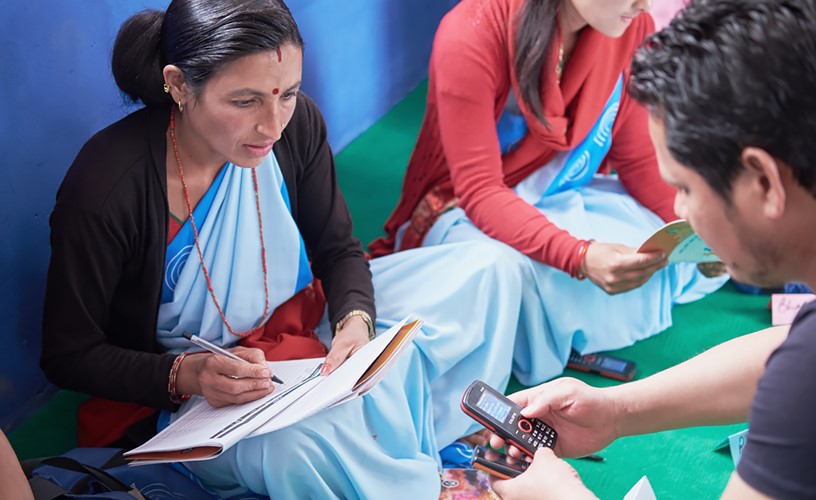
The integration of mobile money services comes hand in hand with the promotion of financial literacy. Many service providers offer educational resources to help users understand how to navigate the mobile money ecosystem. Workshops, informational pamphlets, and community training sessions are often conducted to equip women with the necessary knowledge to utilize these services effectively.
Through these initiatives, women learn about budgeting, savings, and the importance of financial planning. Increasing financial literacy helps to bridge the gap between women and the economic opportunities available to them, fostering a generation that is more capable of managing their finances and making informed financial decisions.
Convenience and Security
One of the most significant benefits of mobile money services is the unparalleled convenience it offers. Rural women often face challenges such as long distances to banking institutions and limited operating hours. Mobile money operates 24/7, enabling users to conduct transactions at their convenience. For women juggling household responsibilities and other obligations, such flexibility is invaluable.
Moreover, security is a paramount concern in financial transactions. Traditional cash transactions are prone to theft and loss. Mobile money services incorporate various security measures, such as encryption and authentication protocols, to safeguard users’ funds. This feature instills confidence in rural women when engaging in financial transactions, encouraging them to save and spend wisely without the fear of losing their money.
Creating Social Networks
Mobile money services also catalyze the formation of social networks among rural women. Through various platforms, women can connect with others in similar situations, fostering an environment where they can share knowledge, resources, and support. These networks not only amplify individual empowerment but also strengthen community ties.
In many instances, peer-to-peer lending arrangements emerge, where women support one another in times of financial need. This sense of solidarity nurtures resilience within communities, encouraging collective growth and development. As women share their successes and challenges, they create a space where collective action can thrive.
Challenges to Overcome
Despite the myriad advantages that mobile money services present, there are still several challenges to address. Technological illiteracy remains a significant barrier; many rural women may not be familiar with smartphones or mobile applications. To overcome this, continued investment in digital literacy programs is essential to ensure all women can partake in this financial revolution.
Additionally, issues surrounding connectivity persist. In remote areas where network coverage is limited or inconsistent, the efficacy of mobile money services can be severely hampered. Enhancing infrastructural capabilities and expanding network reach will be paramount in maximizing the impact of these services on rural populations.
Conclusion: A Catalyst for Change
Mobile money services represent a transformative shift in how rural women engage with their finances. By promoting independence, financial literacy, convenience, and social connections, these services are not just improving economic conditions but are also redefining roles within households and communities. As the world embraces this digital age, it is imperative to continue focusing on enhancing mobile money services, addressing challenges, and ensuring that every woman, regardless of her location, can harness the potential of this powerful innovation. In doing so, we pave the way for a future where economic disparities shrink, and empowerment flourishes for women worldwide.