In a world where the intricate tapestry of economic disparities weaves a complex narrative for billions, the emergence of mobile money stands out as a brilliant stroke of innovation. The concept of “mobile money” extends a metaphorical olive branch—offering empowerment and accessibility to the inhabitants at the bottom of the economic pyramid. While cash has long been considered the lifeblood of transactions, mobile money offers a refreshing paradigm, rejuvenating the very essence of financial interactions.
To grasp the profound impact of mobile money, one must first appreciate its juxtaposition against cash. Cash, with its tangible heft, feels rooted in tradition—like a stubborn tree that resists the winds of change. It provides immediacy in transactions, yet it also harbors vulnerabilities: theft, loss, and the geographical limitations of physical currency. Enter mobile money, the nimble butterfly flitting through this landscape, embodying agility while transforming how people engage with financial systems.
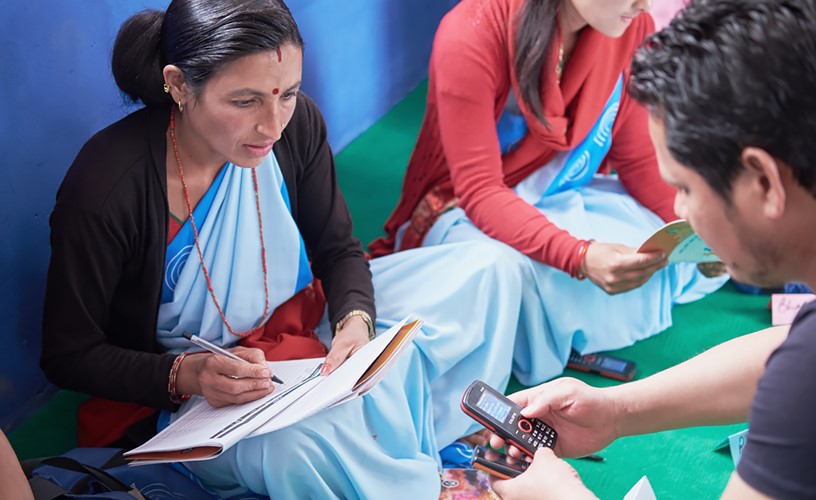
One of the most persuasive arguments in favor of mobile money is its unparalleled accessibility. Imagine a remote village, flanked by arid landscapes, where the nearest bank lies miles away. For many in such locales, physical access to financial institutions is a herculean task. Mobile money, however, enters like a gentle breeze, effortlessly sweeping away obstacles. With a simple mobile device, individuals can conduct transactions without the burdensome need to travel long distances. This new currency of convenience dismantles the barriers that cash imposes on those already relegated to the margins.
Moreover, mobile money thrives on inclusivity. Traditional banking services often exclude those lacking formal identification or a stable income, much like a fortress guarding its treasures. Mobile money, on the other hand, is akin to an open garden, inviting everyone. Users can quickly register with minimal paperwork, ensuring that even the most disadvantaged individuals can embrace their financial agency. This democratization of access not only enhances individual livelihoods but also invigorates entire communities.
Another compelling aspect of mobile money is its safety and security. Cash transactions can feel precarious, akin to walking a tightrope without a safety net. The risk of theft looms large, especially in volatile environments. Mobile money mitigates this danger with digital safeguards, encryption protocols, and transaction tracking. Payments made through mobile platforms are akin to encrypted love letters—secure and private. Individuals can breathe easier knowing their wealth is safely ensconced in the digital realm rather than hidden beneath a mattress or in a secret corner of their homes.
Furthermore, mobile money engenders financial literacy and empowerment. It acts as an educational bridge, enlightening individuals about basic saving and budgeting practices. When a farmer receives payment for a bumper harvest via mobile money, he might begin to understand concepts such as savings or investments, akin to planting seeds for future growth. The cycle is cyclical; as more users embrace mobile money, awareness and financial literacy proliferate, gradually nurturing a more informed populace.
Digital transactions also provide an invaluable traceability factor that cash lacks. Consider the vast network of informal markets where cash transactions dominate, often operating outside regulatory frameworks. Mobile money shifts this narrative, enabling transparency and accountability. It becomes a powerful tool for documenting transactions, aiding farmers in accessing loans based on their financial history. In essence, mobile money transforms transient financial encounters into a permanent record, fostering economic relationships rooted in trust.
On a broader scale, mobile money catalyzes economic growth within communities. The infusion of liquidity enables small businesses to flourish. With the ability to receive payments swiftly and securely, entrepreneurs can reinvest in their ventures or expand their operations. Picture a local craftsman who previously relied solely on cash, often limited in capacity and outreach—by embracing mobile payments, he can now cater to an expanded client base, driving innovation and economic dynamism.
Yet, the relationship between mobile money and cash is not merely adversarial; rather, they coexist in a complementary ecosystem. Cash remains vital for many, serving as a steadfast lifeline for those who may resist or lack access to digital platforms. The key lies in recognizing that mobile money can catalyze a transition—a gentle push towards financial evolution while respecting individual preferences. As communities gradually embrace mobile transactions, they retain the freedom to weave cash into their financial tapestry, creating a hybrid model that respects tradition while advancing toward modernity.
In conclusion, mobile money emerges as a transformative force at the bottom of the economic pyramid, reshaping the narratives of accessibility, empowerment, safety, and growth. Its appeal lies not only in its technological prowess but also in its capacity to bridge divides, fostering inclusivity and transparency. By embracing mobile money, individuals at the base of the pyramid can transform their economic realities, paving the way for a flourishing future. Like the vibrant notes of a symphony, mobile money orchestrates a new era of financial interaction, where opportunity and empowerment are not just dreams, but accessible realities for all.