In the ever-evolving landscape of financial technology, mobile money services have become a lifeline for millions worldwide. In Afghanistan, M-Paisa serves as a pioneering model of mobile financial services, transforming the way individuals conduct transactions, save, and manage their finances. This article delves into the various facets of M-Paisa, detailing its functionalities, benefits, challenges, and its broader implications on Afghanistan’s economy.
Understanding M-Paisa: An Overview
M-Paisa, launched in 2008 by Roshan, Afghanistan’s largest telecommunications provider, is a mobile money service designed to cater to an underserved population. Operating on the foundation of cellular networks, M-Paisa allows users to perform a myriad of financial transactions using their mobile phones. This service is especially vital in Afghanistan, where access to traditional banking infrastructure is limited, and a significant portion of the population remains unbanked.
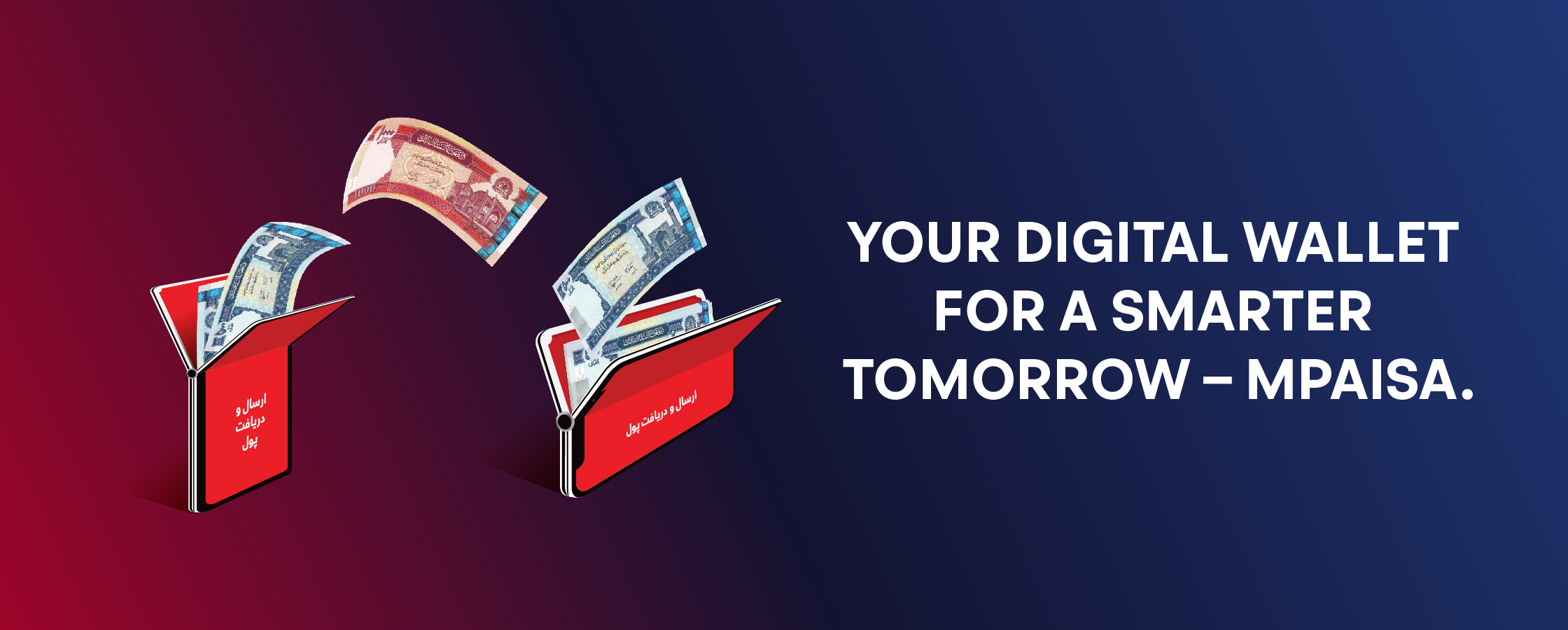
The core functionality of M-Paisa enables users to deposit money, transfer funds, pay bills, and recharge mobile accounts—all without the need for a physical bank branch. Such capabilities provide unparalleled convenience, especially in a country where security concerns and geographical challenges hinder physical banking access.
The Mechanism of Transactions
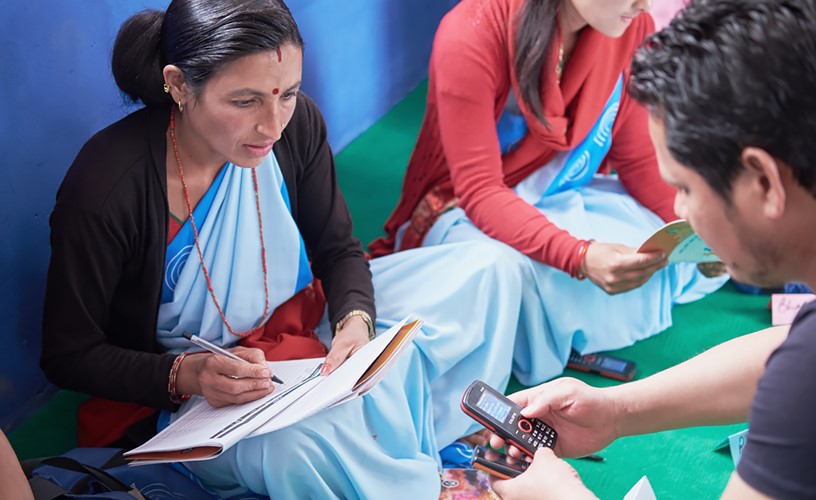
Engaging with M-Paisa is straightforward. Users can register through their mobile devices by providing essential identification information, often linked to their SIM card. Once registered, individuals can deposit cash at designated agents, who facilitate these transactions. Subsequently, users can conduct various financial operations through easy-to-navigate menus on their phones.
Key transaction types include:
- Money Transfers: Users can send or receive money instantly, whether domestically or internationally. This feature is particularly essential for families relying on remittances from abroad.
- Bill Payments: M-Paisa allows users to pay for utilities such as electricity and water, streamlining household management.
- Merchant Payments: Many vendors accept M-Paisa as a payment method, providing a cashless transaction option that enhances security and convenience.
A Lifeline for the Unbanked
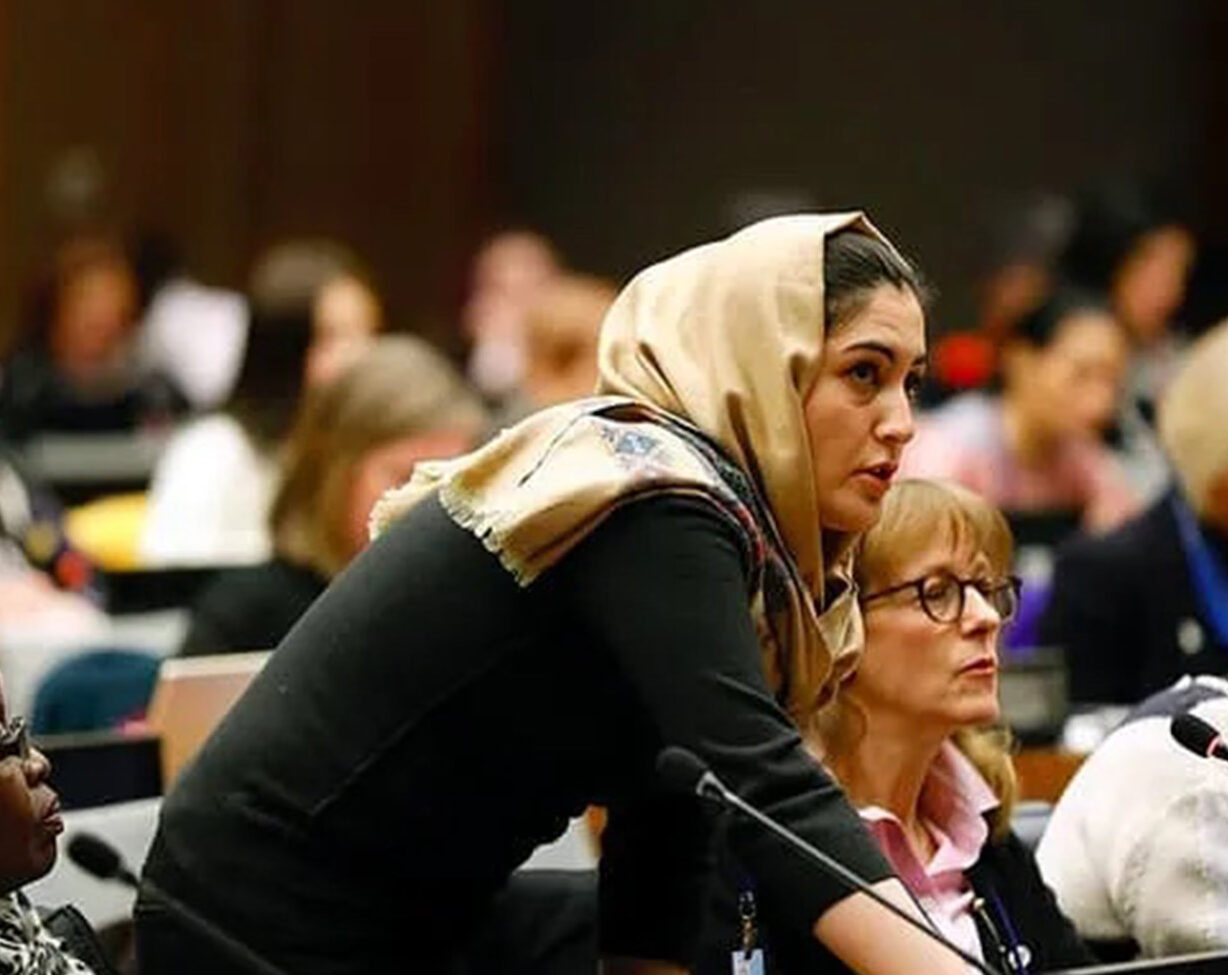
According to industry reports, a significant majority of Afghanistan’s populace lacks access to traditional banking. M-Paisa addresses this gap by providing a user-friendly platform that allows individuals to manage their finances effectively. The service is particularly beneficial for women, who often face barriers in accessing conventional banking due to cultural and societal restrictions.
Moreover, M-Paisa has contributed to financial inclusion by offering micro-loans and savings accounts with competitive interest rates. These features empower users to save money and cultivate a sense of financial security, fostering an environment of economic empowerment.
Benefits of M-Paisa
Utilizing M-Paisa comes with a plethora of benefits that extend beyond mere convenience. Here are several key advantages:
- Increased Security: By reducing the need for cash transactions, M-Paisa minimizes risks associated with theft and robbery, offering a safer alternative for users.
- Time Efficiency: M-Paisa eliminates the need for lengthy trips to the bank. Users can conduct transactions from the comfort of their homes, thus saving time and energy.
- Enhanced Economic Activity: The integration of mobile money services stimulates local economies by facilitating smoother transactions between businesses and consumers.
- Tracking Finances: Users can monitor their transactions and balances in real-time. This transparency aids in budgeting and financial planning.
Challenges Faced by M-Paisa
While M-Paisa has wrought significant advancements in financial accessibility, it is not without its challenges. The service operates within a unique socio-economic framework that presents hurdles:
- Limited Awareness: Many potential users lack understanding of mobile money, which hampers widespread adoption. Educational initiatives are essential to inform the populace about the benefits and functionalities of M-Paisa.
- Technological Barriers: The quality of telecommunications infrastructure can be inconsistent, leading to service disruptions that undermine user confidence.
- Regulatory Challenges: Mobile financial services in Afghanistan are subject to evolving regulations. This unpredictability can hinder growth and scalability.
The Future of M-Paisa and Mobile Money in Afghanistan
Looking ahead, M-Paisa has the potential to evolve further and solidify its position within Afghanistan’s digital economy. As more citizens gain access to mobile phones and as network infrastructure improves, user adoption is likely to increase exponentially. Furthermore, collaborations with financial institutions can bolster service offerings.
The advent of crypto and blockchain technology presents an unforeseen opportunity to enhance mobile money services. By integrating these technologies, M-Paisa could offer users decentralized finance options that promise even greater security and access.
Conclusion
M-Paisa epitomizes the transformative power of mobile money in Afghanistan, effectively bridging the gap between traditional financial mechanisms and the burgeoning digital economy. As it continues to evolve, it holds the promise not only of financial inclusion but also of socioeconomic progress for millions. Embracing this innovation is not merely an option; it is a necessity in the journey toward a more equitable financial future.