In recent years, East Africa has become synonymous with drought, leading to profound humanitarian crises. As parched landscapes stretch further across the region, traditional modes of assistance are being reimagined. Among these innovative approaches, mobile money donations have emerged as a transformative solution, promising not only immediate relief but also a paradigm shift in how we perceive charitable giving. This phenomenon is not just a trend; it embodies a commitment to harness technology for social good.
The prospect of leveraging mobile technology to address the rampant hunger and poverty brought on by drought offers a multifaceted approach to an entrenched crisis. With over 500 million mobile money accounts globally, the accessibility of financial transactions using mobile devices provides a potent tool for mobilizing resources. This digital revolution, particularly in Africa, represents a watershed moment in philanthropic activities. Fundraisers can now reach individuals in need directly without cumbersome intermediaries, circumventing the inefficiencies that historically accompanied charitable donations.
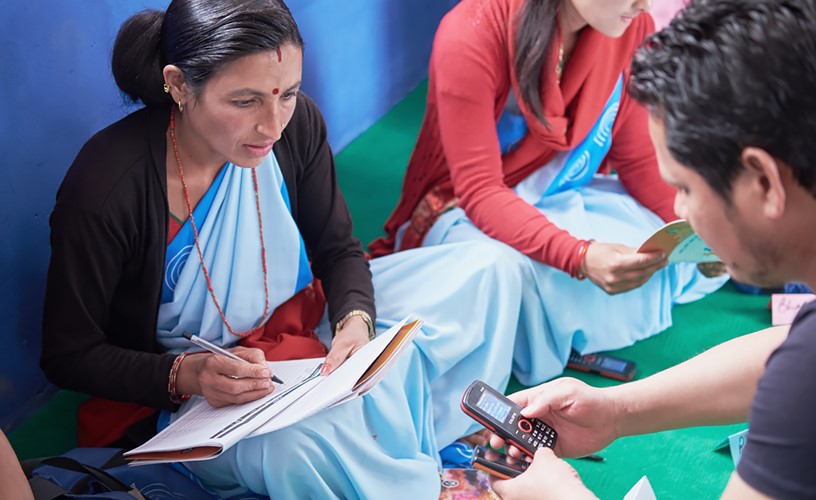
In regions beset by logistical challenges, such as remoteness and lack of infrastructure, mobile money provides immediate access to vital resources. Rather than waiting for traditional aid avenues to deliver food or medical supplies, local populations can receive financial support through their mobile phones instantaneously. This direct assistance empowers communities to make decisions tailored to their immediate needs, be it purchasing food, medical care, or other essentials. The liberation from aid dependency fosters a sense of agency and resilience that is crucial for long-term recovery.
What propels the adoption of mobile money donations further is the sense of community it engenders among donors and recipients. When a donation is merely a transaction between an anonymous benefactor and a faceless organization, the emotional connection often wanes. However, with mobile donations, individuals can witness the ripple effects of their contributions in real-time. Many smartphone applications now offer the ability to track funds, view recipient testimonials, and even interact through social networks, weaving a tapestry of shared human experience that starkly contrasts with traditional giving paradigms.
The integration of mobile money donations into the humanitarian sphere also allows for a more intricate analysis of the impact. Data analytics can now track the effectiveness of contributions, giving organizations precise tools to evaluate on-the-ground needs and adjust their strategies accordingly. This adaptability is invaluable; it enables aid organizations to discern patterns and identify critical areas that require attention, resulting in a more targeted allocation of resources. The ability to pivot quickly and effectively is a game-changer in an era where crises evolve rapidly.
However, the implementation of mobile money donations is not without challenges. Security remains a foremost concern, as the risk of cybercrimes escalates in tandem with the growth of digital transactions. Safeguards must be entrenched to protect both the funds and the privacy of donors and beneficiaries alike. Additionally, while mobile phones have permeated much of East Africa, there remains a segment of the population that is digitally disenfranchised. Addressing this gap requires innovative solutions to bring mobile technology to the most vulnerable communities, ensuring that no one is left behind.
Moreover, cultural perceptions of money and technology can create barriers to widespread acceptance. Education and community engagement are paramount; initiating conversations around the benefits of mobile money can foster a culture of trust and participation. Success stories and testimonials announcing the transformative impacts of mobilized funds can serve as powerful motivators. Through local champions and informed advocates, a narrative can be cultivated emphasizing the advantages not only of mobile transactions but also of collective investment in community resilience.
In addition to these hurdles, the logistics of transferring funds across different platforms often present complications. Ensuring interoperability among mobile money systems is crucial for seamless donations to flourish. As various operators vie for dominance in the market, crafting collaborative relationships among providers will be essential for maximizing donor reach and enhancing impact. This technological connectivity can be a catalyst in reshaping the landscape of charitable giving.
Yet, amidst these challenges lies an opportunity — the chance to redefine systemic approaches to crises. The unfolding story of mobile money donations for drought victims in East Africa can inspire a global audience to rethink conventional giving methods. The urgency of the situation calls for innovative solutions, and mobile technology stands at the forefront of this humanitarian crusade. By leveraging our active digital spaces, communities can collectively pool resources to respond robustly to those in dire need.
Ultimately, mobile money donations represent more than a mere alternative to traditional giving; they signify an evolution of our collective conscience. We are beckoned to question our assumptions, re-evaluate our roles as global citizens, and consider how we might engage in transformative practices that transcend borders. The promise of immediate aid delivered through the click of a button or a text message humbly beckons us to participate in a reimagined narrative of hope and solidarity.
In conclusion, mobile money donations for drought victims in East Africa unveil a compelling, compassionate perspective on philanthropy. The blend of technology and altruism is a testament to human ingenuity and resilience, fostering deeper connections while addressing the dire realities of drought. As we continue to engage with these modern tools for giving, it is vital to remain cognizant of the profound impact our contributions can wield — a shift in perspective aimed at not just alleviating suffering, but also empowering communities to engender lasting change.