As we navigate the complexities of the 21st century, mobile technology emerges as a pivotal force, not just in everyday communication but also in the broader societal narrative surrounding violence against women. This scourge remains a global crisis, deeply rooted in societal norms, economic instability, and gender inequality. However, with the incessant rise of mobile applications and digital platforms, there is burgeoning promise for innovative solutions that could fundamentally shift the trajectories of women’s safety and empowerment.
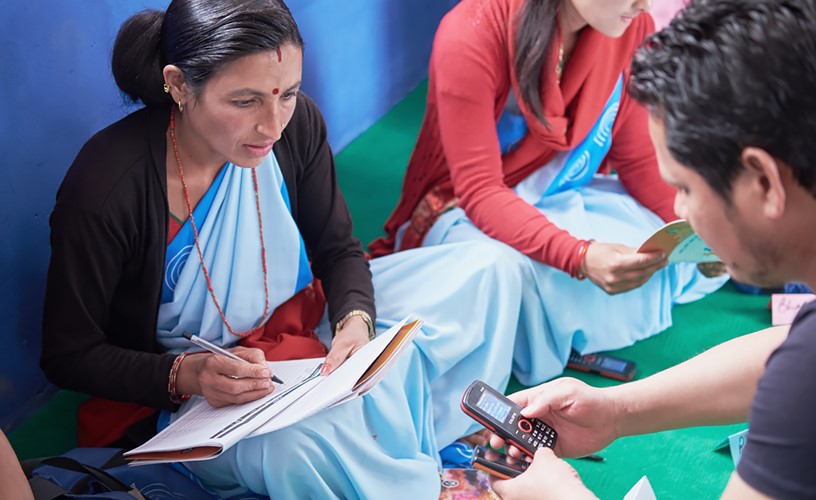
One of the most significant developments is the emergence of mobile safety applications. These apps are designed to provide immediate assistance to women in distress. Consider, for example, the functionalities embedded in apps such as emergency alerts, location tracking, and direct links to local authorities. With the touch of a button, a woman can alert her friends, family, or law enforcement, substantially increasing her chances of receiving help quickly. The convenience of carrying a smartphone has revolutionized personal safety protocols.
Moreover, these applications often leverage geo-location features to map safe routes or areas, thereby incentivizing women to navigate their surroundings with a greater sense of security. In regions where traditional law enforcement may be lacking or untrustworthy, these technological solutions rise to fill the gap, empowering women to reclaim public spaces that might have previously felt perilous.
Furthermore, mobile technology facilitates access to critical information regarding rights and resources. Educational applications streamline knowledge dissemination concerning legal rights, available support services, and self-defense tactics. Women can obtain crucial information tailored to their specific needs—whether dealing with domestic violence, sexual harassment, or workplace inequality—without the stigma often associated with seeking help in person. This information democratization is vital; it equips women with tools that empower them to take control of their circumstances.
Communities, particularly marginalized ones, experience heightened vulnerability to violence against women. However, mobile technology provides a robust network-building alternative. Through digital platforms, women can connect with one another, forming virtual support groups that transcend geographical limitations. These communal spaces foster solidarity and resilience. Women share personal experiences, offer advice, and create actionable plans against violence, fostering a culture of collective empowerment.
Moreover, the role of social media cannot be underestimated in this context. Campaigns like #MeToo and #TimesUp demonstrate how mobile communication can catalyze social movements. Through hashtags and viral content, women have reclaimed their narratives, shedding light on the pervasive nature of abuse and galvanizing public discourse. These movements utilize mobile platforms to transcend silence, thereby distorting the narrative around violence against women and attracting global attention to localized issues.
In addition to mobilizing individual and collective action, mobile technology offers avenues for reporting incidents of violence. Several jurisdictions now permit the anonymous reporting of abuse through a mobile interface, thus reducing barriers that often deter women from speaking up. Anonymity can provide crucial psychological security for potential reporters who fear retribution or disbelief. By facilitating these reports, law enforcement can collect valuable data to streamline investigative processes and resource allocation.
Yet, while these advancements herald a new era of potential safety, they are not without caveats. The same mobile technologies that promise safety can also be co-opted for surveillance and control. It is imperative that developers ensure privacy and data security, as breaches can exacerbate existing vulnerabilities. Women must feel confident that their information is protected while utilizing these technologies for self-defense and empowerment.
Moreover, it is crucial to acknowledge the digital divide that limits accessibility. Regions with scant technological infrastructure—be it in rural areas or impoverished urban settings—are at a disadvantage. For many women, relying on mobile technology for safety might be a luxury they cannot afford. Bridging this digital gap is essential for the comprehensive success of mobile solutions in combatting violence against women.
Additionally, inclusivity in design must be a priority. Not all women experience violence in the same way; considering the intersectionality of race, socio-economic status, and disability is paramount in devising effective mobile strategies. Customizable app features that cater to diverse experiences will enhance the utility and relevance of these resources. It is not merely about assembling apps; it is about thoughtfully architecting solutions that resonate with the lived realities of different women.
As mobile technology continues to evolve, so too must our approach to harnessing its power in the fight against violence. Integration with community resources, engagement with stakeholders, and continuous feedback from users can optimize these solutions. The quest for real change necessitates collaboration among technologists, social organizations, and the women they aim to serve. Together, they can foster innovative strategies that transcend mere technological implementation, actively reshaping the societal paradigm surrounding gender-based violence.
In conclusion, while the challenge of violence against women is daunting, mobile technology offers a promising frontier for change. By enhancing safety measures, providing vital information, fostering community connections, and enabling collective action, mobile solutions can reframe the conversation around women’s rights and safety. As society embraces these methodologies, a transformative shift in perspective is not merely a possibility; it becomes an actionable reality poised to disrupt the status quo. Curiosity toward further advancements and an unwavering commitment to inclusivity and security will illuminate the path forward in this essential dialogue.