The digital landscape of Kenya stands as a testament to an extraordinary phenomenon – the mobile money revolution. This dynamic transformation has not merely reshaped how transactions are conducted but has instigated a seismic shift in societal norms, economic structures, and cultural practices within Kenya. To grasp the profundity of this evolution, it is essential to examine its historical context, technological underpinnings, socio-economic ramifications, and the overarching significance on a global scale.
Historical Context: The Pre-M-Pesa Era
Before the arrival of M-Pesa in 2007, Kenya’s financial ecosystem was marred by a labyrinthine banking system that predominantly catered to urban populations. Rural residents often found themselves distanced from vital financial services, burdened by geographical constraints and socio-economic barriers. The scarcity of formal banking infrastructure led to a reliance on face-to-face transactions among local merchants and family networks. However, this limited access to finance began to shift dramatically with the advancement of mobile telephony and its integration into everyday life.
The Emergence of M-Pesa
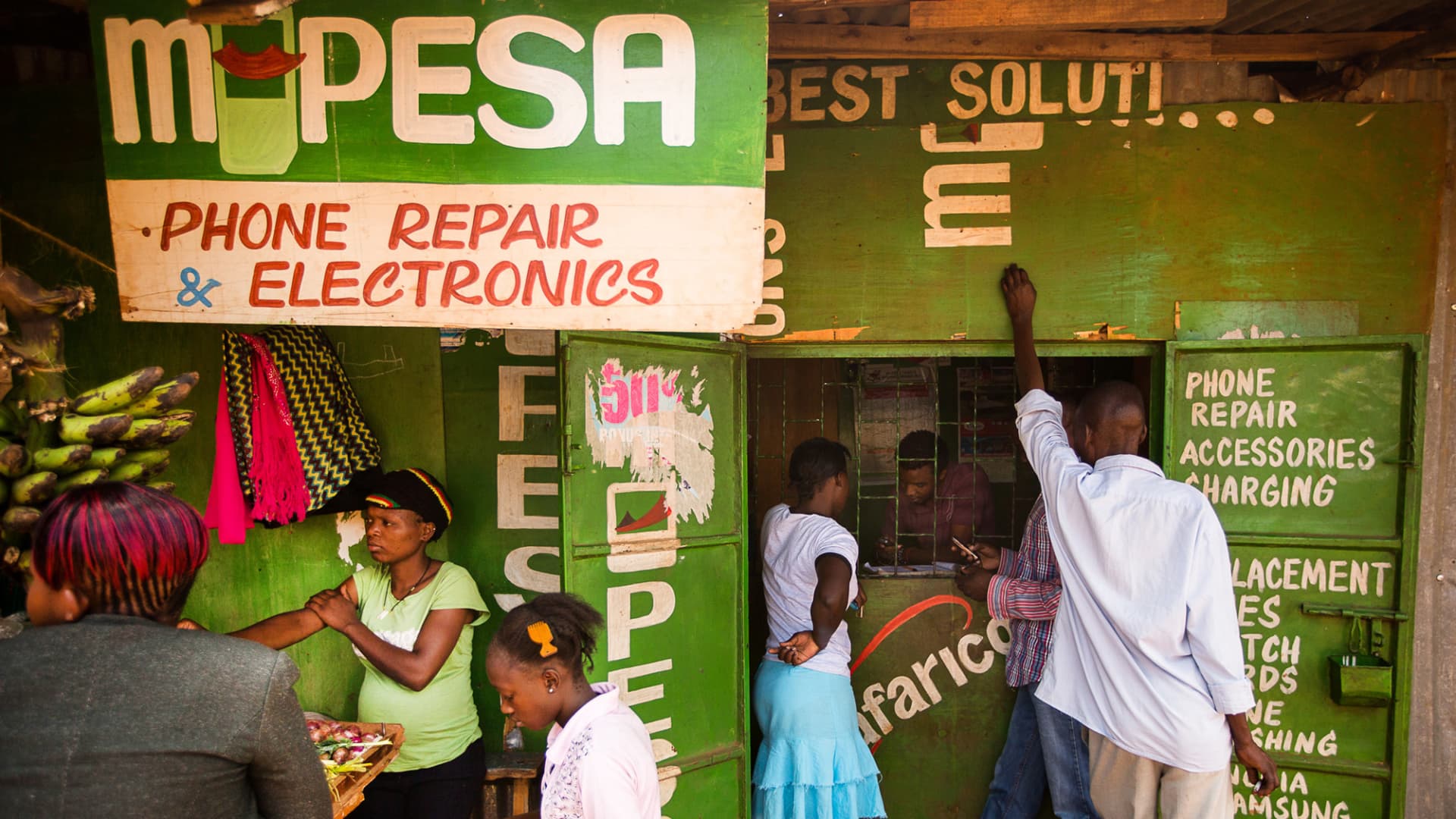
M-Pesa emerged not merely as a service but as a symbol of empowerment for millions of Kenyans. Developed by Safaricom, the platform represented a pioneering approach to mobile commerce, allowing users to send, receive, and store money through their mobile devices. The simplicity of use, combined with widespread mobile penetration, positioned M-Pesa as a revolutionary pillar of financial inclusion. With over 30 million users – a staggering figure representing over two-thirds of the adult population – M-Pesa transformed the economic landscape of Kenya.
Technological Innovation: The Backbone of Mobile Money
At the heart of Kenya’s mobile money revolution lies robust technological infrastructure. The accessibility of mobile phones, combined with low-cost internet services, facilitated the rapid adoption of digital payment systems. The mobile money framework is intricately connected to a secure agent network, spanning urban and rural areas alike. Retail agents serve as a critical touchpoint, facilitating cash deposits and withdrawals and imbibing the sense of trust necessary for user adoption.
This seamless system has effectively dismantled geographical and socio-economic barriers that have traditionally hindered financial transactions. Innovative features like bill payments, microloans, and merchant payments have further curated a thriving ecosystem that caters to diverse user needs.
Socio-Economic Impacts: Transformation on Multiple Fronts
The ramifications of this mobile money paradigm extend well beyond conventional financial transactions. Communities, once crippled by inequity, have discovered newfound economic opportunities. Small-scale businesses proliferate, leveraging mobile money for transactions, thus fostering entrepreneurship. Access to instant payments has enhanced liquidity, enabling family members working abroad to remit funds back home swiftly, bolstering household economies.
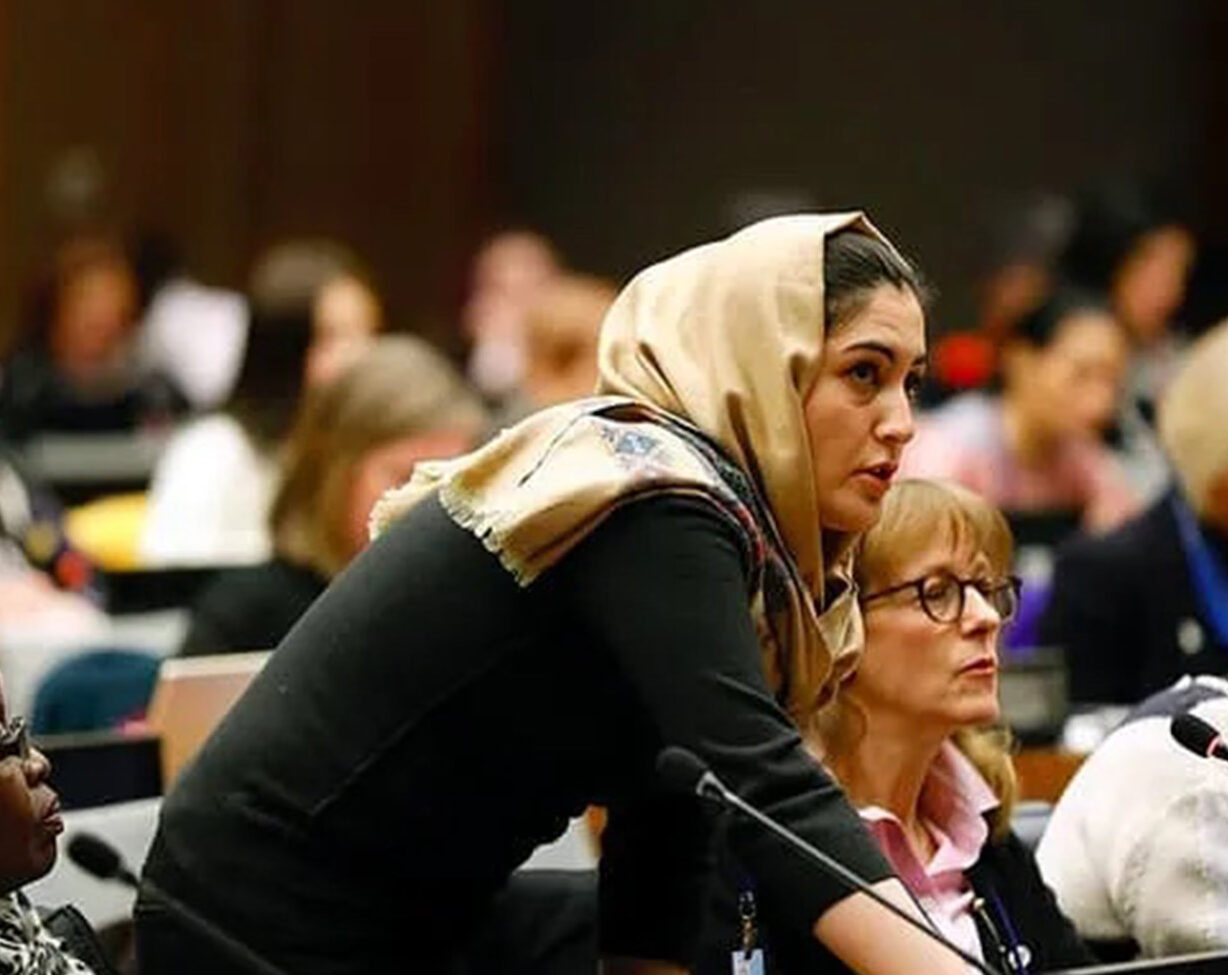
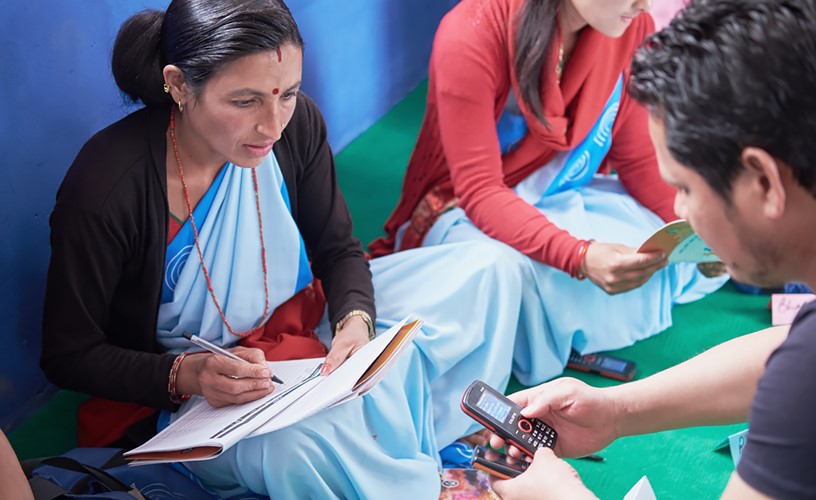
Moreover, mobile money has encouraged women’s empowerment. Traditionally underserved, women are now participating more actively in economic activities, expanding their roles as business owners and financial decision-makers. Mobile money acts as a catalyst, reducing the barriers that inhibit women’s access to finance and instilling a sense of agency.
As remittances stream seamlessly through mobile platforms, families can afford education, healthcare, and other critical services, significantly uplifting the quality of life. In this context, mobile money transcends monetary transactions, serving as a vehicle for socio-economic development and stability.
Global Significance: An Exemplary Model
Kenyans’ enthusiastic embrace of mobile money has piqued global interest. The M-Pesa model is often heralded as an exemplar for developing nations striving for economic inclusivity. International development agencies and economists closely examine Kenya’s success, recognizing the potential for simulating similar frameworks in diverse cultural and economic contexts.
Countries throughout Africa, Asia, and beyond have sought to replicate Kenya’s mobile money success story, adapting it to their unique landscapes. These endeavors underscore a burgeoning consensus that mobile money can act as a democratizing force, capable of enhancing financial inclusion – an objective that resonates profoundly in today’s global economy.
The Road Ahead: Challenges and Opportunities
While the trajectory of mobile money in Kenya appears promising, several challenges loom on the horizon. Regulatory frameworks must evolve concurrently with technological advancements to ensure consumer protection, data privacy, and ethical practices. Cybersecurity concerns represent another critical frontier. As digital transactions proliferate, the potential for fraud and cyber threats escalates, necessitating robust defenses and user education.
Moreover, cultivating a culture of financial literacy remains paramount. Encouraging all layers of society to engage with mobile money services confidently is essential for sustaining this economic renaissance. Educational initiatives to empower users with knowledge about saving, investing, and smart financial practices can further solidify the foundations of Kenya’s mobile money ecosystem.
Conclusion: A Revolution Defined by Resilience
Kenya’s mobile money revolution signifies far more than the advent of digital transactions; it encapsulates the resilience and ingenuity of a population striving toward financial autonomy and social equity. The intertwining of technology and community bonds has crafted a narrative that is as compelling as it is transformative. As the world watches this remarkable evolution, one fundamental truth prevails: that financial innovation can indeed redefine societal structures, illustrating the indomitable spirit of progress within Kenya and beyond.