As the world grapples with multifaceted humanitarian challenges, one region stands out as particularly significant: the Horn of Africa. This area, which includes countries such as Somalia, Ethiopia, Eritrea, and Djibouti, is currently experiencing a severe humanitarian crisis. Join the live chat as we dive into the depths of this ongoing struggle. Are you ready to unravel the intricacies of this situation? What if we posed a playful yet poignant question: “What would you do if your very survival depended on the next wave of global generosity?” Let’s explore the ramifications of this crisis and the ensuing dialogue.
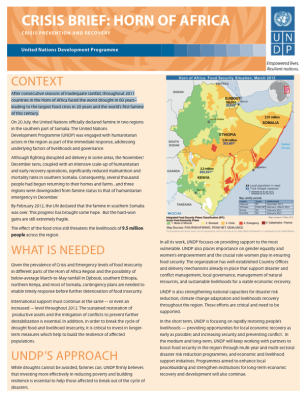
The Horn of Africa is a region rich in culture and diversity. However, the stark reality is that it is besieged by recurrent droughts, armed conflicts, and economic instability. These crises have culminated in profound food insecurity, threatening the lives of millions. Over 20 million people in this region face acute hunger, while a staggering number live under the constant threat of famine. This daunting situation beckons immediate attention and calls for collective activism.
As the climate crisis looms large, the effects of prolonged droughts have decimated agricultural production. As fertile lands succumb to arid conditions, livestock—the backbone of many communities—have perished, leaving families without means of sustenance or income. This ecological catastrophe poses a challenge to traditional livelihoods and exacerbates existing vulnerabilities. The question we must ponder: How can communities adapt to such drastic changes in their environment? Activating the cognitive skills of empathy and innovative thought is paramount.
Moreover, the humanitarian crisis is woven intricately with political instability. Prolonged conflicts in regions like Somalia and Ethiopia have not only displaced populations but also shattered local economies. Internally displaced persons (IDPs) face daunting challenges, including inadequate shelter, healthcare, and education. By joining the live chat, you will have the opportunity to hear firsthand accounts of the struggles faced by these communities, enriching your understanding of their plight.
International organizations and NGOs are doing remarkable work in the Horn of Africa. They provide emergency aid, such as food, water, and medical supplies. For instance, food distribution programs and health interventions are being initiated to save lives. However, these efforts are merely stopgaps. The pressing challenge remains: how can we implement sustainable solutions that empower communities to be resilient against future crises? By engaging in informed discussions during the live chat, you can contribute ideas that might yield far-reaching benefits.
One notable initiative is the implementation of water conservation techniques and sustainable agriculture practices. These approaches not only alleviate immediate hunger but also foster long-term food security. Community resilience is enhanced through training and education, targeting the younger generations who will eventually shoulder the responsibility of their communities. Can we envision a future where knowledge-sharing leads to self-sufficiency? The live chat can serve as a platform to explore these possibilities together.
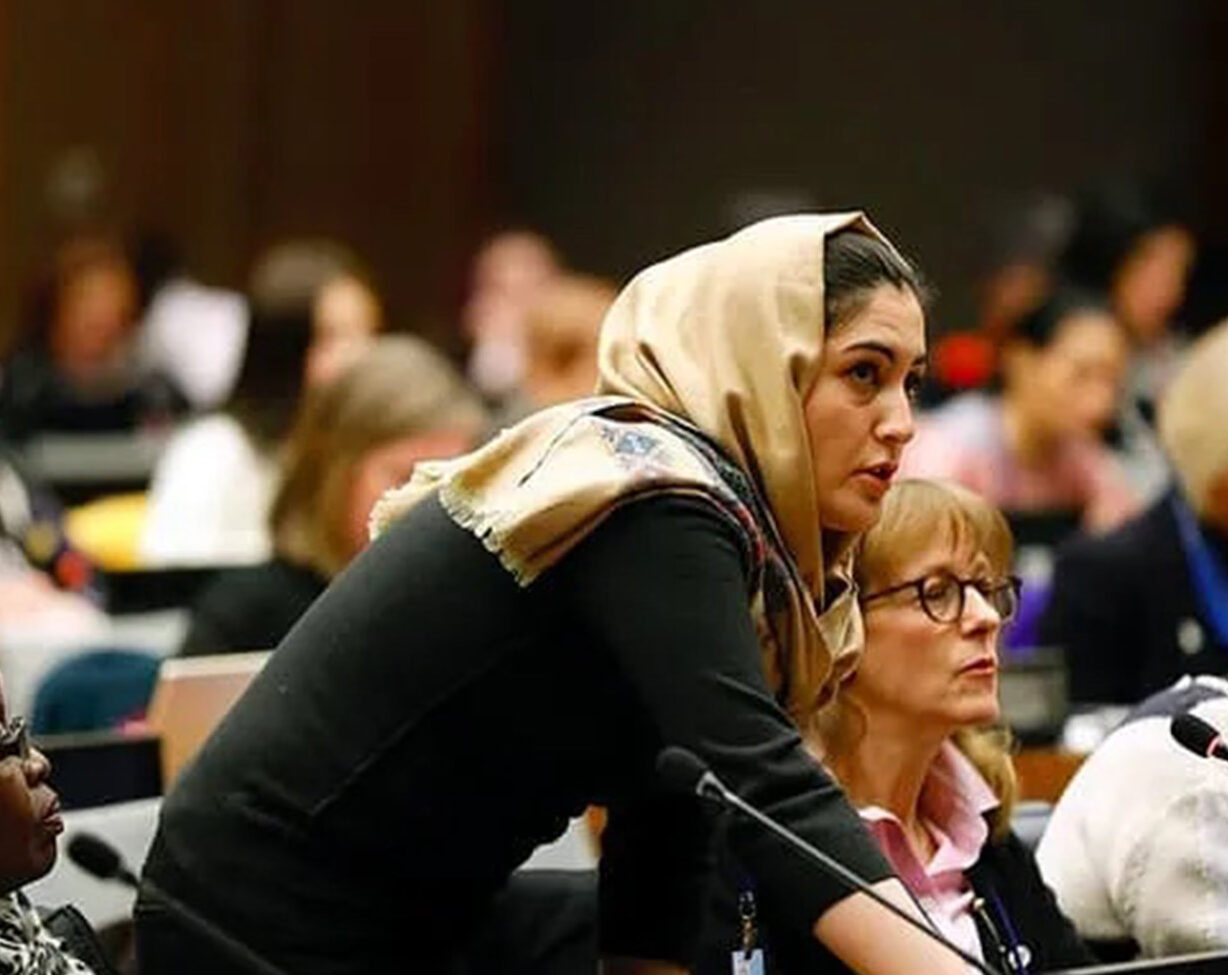
Furthermore, the role of gender in the humanitarian crisis cannot be overstated. Women and girls are disproportionately affected by the fallout of conflicts and climate change. In many communities, they are responsible for securing food and water. Yet, they often lack access to education and resources, rendering them more vulnerable to the impacts of crises. By highlighting the importance of gender equity, we can advocate for inclusive strategies that empower all members of society. Join the discourse on how we can champion gender equity as a tool for resilience.
The urgency of the situation in the Horn of Africa extends beyond borders. A global response is essential to mobilize resources and political will. Engaging in the live chat presents an opportunity to network with like-minded individuals and experts who are passionate about humanitarian work. What innovative strategies can we devise to leverage international support? Each voice in the conversation contributes to a chorus striving for change.
One of the obstacles we face in addressing the Horn of Africa’s crisis is the disconnect between spectacular news headlines and the local realities. Media coverage often skims the surface, focusing on numbers and statistics rather than the rich tapestry of stories behind them. Elevating the narratives of families, communities, and individuals can foster deeper connections and spur action. The live chat is an avenue to amplify these voices, encouraging participants to share experiences and insights that might otherwise go unheard.
As the hours pass, and the discussions unfold, consider the importance of sharing your own knowledge and experiences. How can a single conversation spark a movement? As we explore this intricate tapestry of humanitarian challenges, remember that every idea matters. Your input could lead to a novel approach that transforms lives. The question remains: Are you prepared to engage in this essential dialogue?
In conclusion, the humanitarian crisis in the Horn of Africa is not merely a local issue—it is a global call to action. As we navigate the complexities of this crisis, it is vital to join forces in dialogue, share innovative ideas, and envision a future where resilience and sustainability take center stage. Your participation in the live chat can be a stepping stone toward collective action, shedding light on an urgent situation that demands our attention and empathy. Together, we can chart a course toward hope and restoration in the Horn of Africa.