In an era overshadowed by the relentless pursuit of technological advancement, India stands poised to make a transformative leap in public health through an ambitious initiative focused on immunizations. The integration of mobile technology into healthcare practices not only paves the way for enhanced tracking of vaccination data but also introduces a paradigm shift in how public health initiatives are managed and executed across one of the world’s largest democracies. This innovative approach promises to revolutionize immunization logistics and ultimately improve the health outcomes of millions.
The significance of immunizations in safeguarding public health cannot be overstated. Vaccines have played an instrumental role in eradicating diseases that once plagued populations, yet, in a vast country like India, challenges remain. From rural areas where accessibility is limited to urban regions grappling with logistical inefficiencies, the problem of tracking immunizations reflects a poignant need for a more streamlined solution. Herein lies the genius of leveraging mobile phone technology—a ubiquitous tool that has the potential to bridge the gaps and catalyze change.
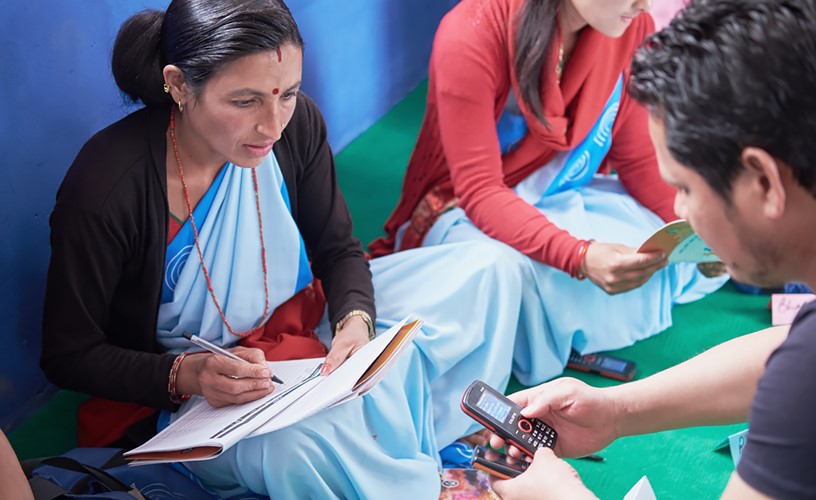
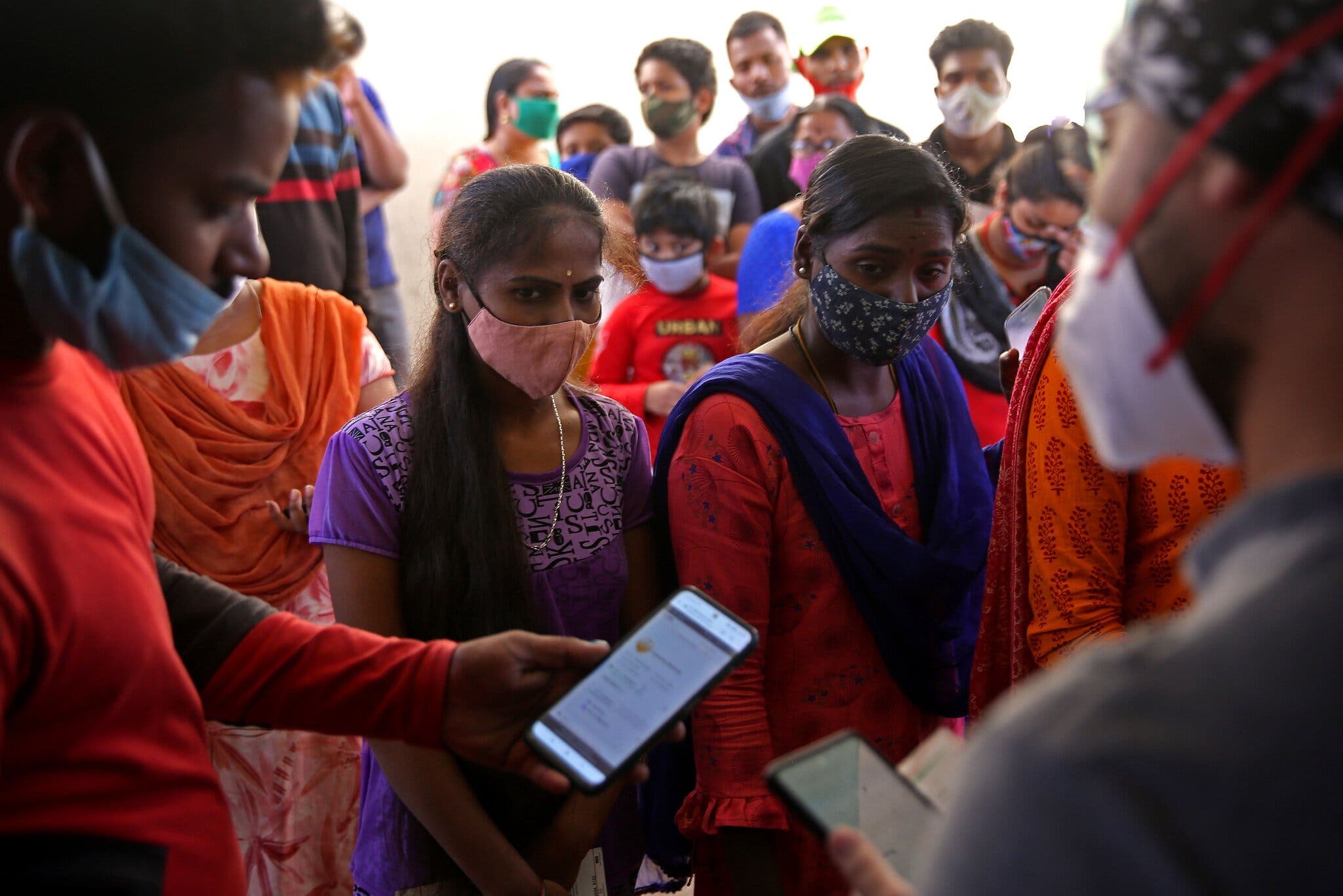
The Indian government’s initiative to employ mobile phones for tracking vaccinations introduces a multifaceted system that aims to encompass various stakeholders—from healthcare providers to parents and children. By utilizing mobile applications tailored to facilitate real-time data entry, health workers can now effortlessly log immunization details. This fosters a more accurate health data repository, allowing authorities to monitor immunization coverage and swiftly identify areas lagging behind.
Moreover, this initiative is not merely about data management; it represents an invaluable opportunity to enhance public awareness and community engagement. Parents will have access to health-related notifications and reminders on their mobile devices, ensuring that they are informed about upcoming vaccination schedules. This proactive approach can significantly mitigate the dropout rates often seen during immunization schedules, converting hesitancy into action.
Central to this revolution is the interconnectedness of the mobile ecosystem. Health workers alertly input real-time vaccination data into the system, ensuring that accurate records are maintained across diverse demographics and geographical regions. This connectivity shifts the paradigm from reactive to proactive healthcare, empowering frontline workers to act decisively when deviations in immunization rates are detected. Furthermore, it enables the formulation of targeted campaigns to address specific communities, enhancing overall efficacy.
However, the implications extend beyond immediate health benefits; economic ramifications loom large as well. With a well-immunized population, the burden of diseases diminishes, translating to reduced healthcare costs for families and the government alike. The emphasis on public health can foster a more productive workforce, one less encumbered by the debilitating effects of preventable diseases.
Additionally, the initiative promises a ripple effect on education and literacy levels. In areas with heightened awareness about immunizations and their significance, parents become more inclined to engage with healthcare providers and educational institutions. This engagement underscores the symbiosis between health and education, where an informed community can promote holistic development.
India’s approach to using mobile technology to track immunizations does not exist in isolation. Similar models have been explored globally, yet India’s implementation is uniquely positioned due to the country’s diverse population and its existing prowess in mobile telecommunications. The confluence of these elements provides a fertile ground for innovation, opening the door for not only domestic success stories but also potential exportable models for other nations grappling with comparable public health challenges.
One of the exciting prospects of this initiative is its potential scalability. As the system becomes entrenched in the fabric of the Indian health sector, adaptations and enhancements can be made to address evolving healthcare needs. For instance, future iterations might incorporate artificial intelligence to predict immunization trends based on historical data, further customizing responses to local health crises.
However, the journey is not without its obstacles. Privacy and data security are paramount considerations that must be addressed. As health data is captured and stored digitally, ensuring that sensitive information remains protected from unscrupulous entities is critical. Building robust security protocols and fostering trust among the population will be essential for the successful uptake of this innovative approach.
Furthermore, a comprehensive educational outreach program will be necessary to familiarize healthcare workers and the general public with the functionalities of the mobile applications. Only through a concerted effort to educate all parties involved can this initiative achieve its full potential. The path forward will require collaboration between technology developers, healthcare professionals, and community leaders—all of whom play vital roles in ensuring the success of this grand vision.
As India embarks on this audacious journey to track millions of immunizations through mobile technology, it stands at the precipice of a significant public health revolution. The amalgamation of technology and healthcare heralds an era where real-time data and proactive management can decisively combat the challenges of immunization coverage. With curiosity piqued and the promise of transformation in the air, this initiative may soon become a beacon of hope, illuminating not only India’s health landscape but potentially inspiring similar endeavors across the globe.