The advent of Information and Communication Technology for Democracy (ICT4D) has brought transformative changes across the globe, particularly in East Africa. Here, citizen engagement, governance, and electoral processes are being redefined through the auspices of technological innovations. This article delves into the various facets of ICT4D initiatives in East Africa, highlighting their implications for democracy, civic participation, and governance.
1. Introduction to ICT4D in East Africa
In the context of East Africa, ICT4D encompasses an array of digital tools and platforms utilized to promote democratic engagement and enhance governance. These technologies not only facilitate communication between citizens and their governments but also empower individuals to partake actively in the democratic process. From mobile applications to social media platforms, ICT4D is fostering an environment conducive to increased transparency and accountability.
2. Transformative Technologies Fueling Democratic Engagement
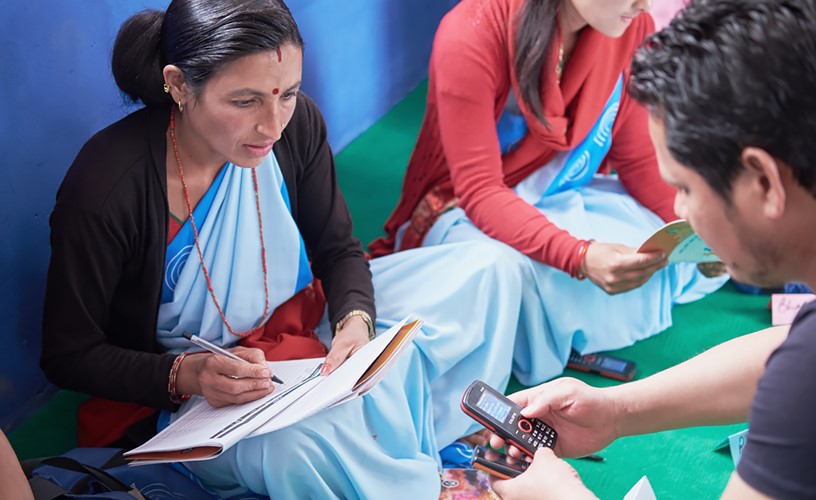
The digital revolution has harnessed several innovative technologies that drive civic engagement in East Africa. Mobile phones and the internet stand at the forefront, significantly bridging the gap between governance bodies and citizens. For instance, mobile applications such as Ushahidi have emerged as vital tools for reporting local issues and advocating for civic action. Such platforms enable users to voice grievances, fostering a more inclusive political discourse.
3. Role of Social Media in Political Discourse
Social media has profoundly influenced political communication in East Africa. Platforms like Twitter and Facebook serve as forums for discussing critical political issues, thereby democratizing access to information and diverse perspectives. Activists, politicians, and ordinary citizens utilize these channels to galvanize support, share updates, and mobilize resources during electoral periods, making them essential tools for political engagement and activism.
4. Enhancing Electoral Processes through Technology
Technology has reformed electoral processes within the region, making them more transparent and efficient. Digital voting systems and biometric voter registration have emerged as alternatives to traditional voting methods, thereby reducing fraud and mismanagement. Initiatives like the Independent Electoral and Boundaries Commission (IEBC) in Kenya have utilized technology to streamline voting procedures, enhance voter education, and ensure the credibility of electoral outcomes.
5. E-Government Initiatives Promoting Accountability
E-government services in East Africa exemplify how ICT4D can improve service delivery and strengthen governance. By digitizing public services, governments can enhance accessibility and transparency. Many countries in the region have adopted online platforms for tax collection, permit applications, and public service announcements, thereby reducing bureaucratic hurdles. This transition engenders greater accountability as citizens can track service delivery and demand action where necessary.
6. Fostering Civic Education through ICT
Civic education is another critical area where ICT4D is making strides. Online courses, webinars, and mobile-based learning platforms educate citizens on their rights and responsibilities in a democratic society. These initiatives empower individuals with knowledge, enabling them to engage meaningfully in political processes. Moreover, by harnessing local languages and dialects, these educational programs become more accessible to diverse populations.
7. Collaboration and Knowledge Sharing among Organizations
Collaboration among non-governmental organizations (NGOs), civil society, and government institutions has been pivotal in advancing ICT4D initiatives in East Africa. Organizations often share best practices, resources, and technological innovations, creating a robust ecosystem for democratic governance. This synergy facilitates the implementation of scalable projects that address regional challenges while fostering an environment of mutual learning and partnership.
8. Bridging the Digital Divide
Despite the growth of ICT4D initiatives, a perceptible digital divide still exists in East Africa. Access to technology, particularly in rural areas, remains a significant challenge. Initiatives aimed at improving infrastructure, such as internet connectivity and affordable mobile devices, are essential for ensuring widespread participation in democratic processes. Addressing these disparities is crucial to achieving true democratic inclusion for all citizens.
9. Challenges to ICT4D Implementation
While the potential of ICT4D to transform democracy in East Africa is considerable, challenges abound. Issues such as cybersecurity threats, misinformation, and limited technological literacy can undermine the efficacy of digital initiatives. Moreover, governmental restrictions on freedom of expression can stifle citizen engagement online. It is imperative for stakeholders to strategize comprehensive measures that address these obstacles while enhancing the safeguards for digital participation.
10. The Future of ICT4D in East Africa
The future of ICT4D in East Africa appears promising, with ongoing innovations poised to reshape democratic landscape. As technology continues to evolve, new opportunities for citizen engagement will emerge. Artificial intelligence, blockchain, and data analytics could play significant roles in enhancing transparency and participatory governance. By prioritizing innovation, collaboration, and inclusivity, East Africa can harness the full potential of ICT4D to foster robust democratic systems.
In conclusion, the intersection of ICT and democracy in East Africa heralds a transformative era for governance and civic participation. As various initiatives and technologies evolve, they present myriad opportunities for enhanced engagement, accountability, and educational initiatives. The promise of ICT4D in shaping a more democratic future mandates concerted efforts from all stakeholders to ensure that the systems developed serve the interests of all citizens, ultimately nurturing a robust political landscape conducive to fairness and inclusivity.