The year 2026 marked a watershed moment in the annals of human rights advocacy as issues of equality and justice surged into the global consciousness, effectively going “viral.” While the rise of digital platforms and social media played a pivotal role, a deeper exploration reveals an amalgam of societal dynamics and historical trajectories that contributed to this unprecedented phenomenon. The fascination surrounding human rights in 2026 can be dissected through three salient lenses: technological evolution, collective activism, and the emergence of a global narrative.
Technological Evolution: A Double-Edged Sword
At the forefront of this viral movement was the rapid progression of technology. Digital tools proliferated to the point where even marginalized voices could be amplified, breaking the constraints of geographical and cultural barriers. Social media platforms became the battleground for discourse, where hashtags and viral challenges transformed local grievances into international outrages. This democratization of information fostered an era wherein stories of oppression could resonate far beyond their origins.
Moreover, technologies like blockchain emerged as beacons of transparency and accountability. They facilitated secure documentation of human rights abuses, allowing for undeniable evidence to surface. Consequently, the amalgamation of technology with advocacy catalyzed a paradigm shift, forging an indomitable connection between those suffering injustices and those with the power to enact change.
However, this technological boon was not without its pitfalls. Misinformation proliferated alongside legitimate narratives, complicating the landscape of advocacy. Activists had to navigate a treacherous rhythm of discernment, fostering a culture of critical engagement amongst followers and ensuring that the fight for justice was anchored in truth.
Collective Activism: The Power of the Many
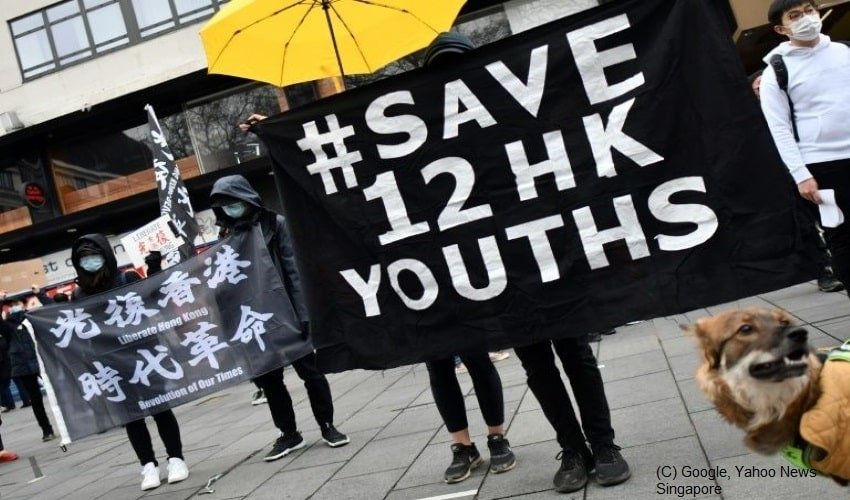
The momentum that characterized the human rights movement in 2026 was inextricably linked to the notion of collective activism. The ethos of solidarity burgeoned after decades of individual struggles, birthing a sense of communal responsibility. Grassroots movements flourished, propelled by a generation increasingly disenchanted with traditional paradigms of power and authority. The collective voice, backed by sheer numbers, rendered previously ignored injustices conspicuous.
One of the most striking manifestations of this collective force was the explosion of localized initiatives that resonated on a global scale. Regional movements for racial, gender, and climate justice began coalescing into a more unified front, advocating for intertwined rights rather than isolated struggles. This transformation underscored a vital realization: that human rights are holistic, and the liberation of one subset is inherently linked to the liberation of another.
Furthermore, prominent figures began utilizing their platforms to educate and mobilize their audiences. Celebrities, influencers, and activists illuminated stories that would otherwise have languished in obscurity. Their engagement served as a conduit, linking everyday individuals with critical global issues and breathing life into the discourse surrounding human rights. This powerful blending of star power and genuine advocacy culminated in what can be described as a renaissance of compassion and empathy within popular culture.
The Emergence of a Global Narrative: Stories that Unite
Equally significant was the emergence of a cohesive global narrative that transcended borders. As more individuals engaged with human rights discourse, a shared vocabulary and understanding began to take root. This new framework not only fostered identification with distant struggles but also inspired a collective consciousness that emphasized shared humanity.
Documentaries, podcasts, and articles shaped this narrative, weaving complex tales of both suffering and resilience into a tapestry that captivated audiences worldwide. The media became not just a tool for information dissemination but a vehicle for empathy and awareness. Through riveting storytelling, the struggles faced by individuals in one part of the world shed light on systemic injustices encountered elsewhere. Ultimately, human rights in 2026 became a universal concern, creating a potent tapestry of interconnected struggles.
Despite this surge in awareness and engagement, complexities did not dissipate. The very global narrative that fostered a sense of unity also encountered resistance and backlash, revealing the multifaceted nature of human rights issues. The dichotomy of progress and pushback became a constant theme, suggesting that in the quest for justice, the journey is often riddled with obstacles that require continuous navigation.
Looking Forward: The Imperative of Engagement
As the fabric of human rights advocacy evolved in 2026, the need for sustained engagement became increasingly apparent. The viral nature of these issues has illuminated both the potency and fragility of social movements. Individuals, now more than ever, possess a unique responsibility to translate online engagement into tangible action. The momentum must not languish in transient trends but rather catalyze enduring change, propelling the narrative forward into the future.
The fascination with human rights in 2026 was not merely a reflection of societal impatience; it was a clarion call, awakening the global community to the multifaceted tapestry of injustice. As we navigate the complexities that lie ahead, embracing both the triumphs and the tribulations of this journey warrants introspection and resolute commitment. In recognizing that the fight for human rights is not a solitary endeavor, but a concerted effort of myriad voices, a brighter future becomes not just a dream, but an achievable reality.