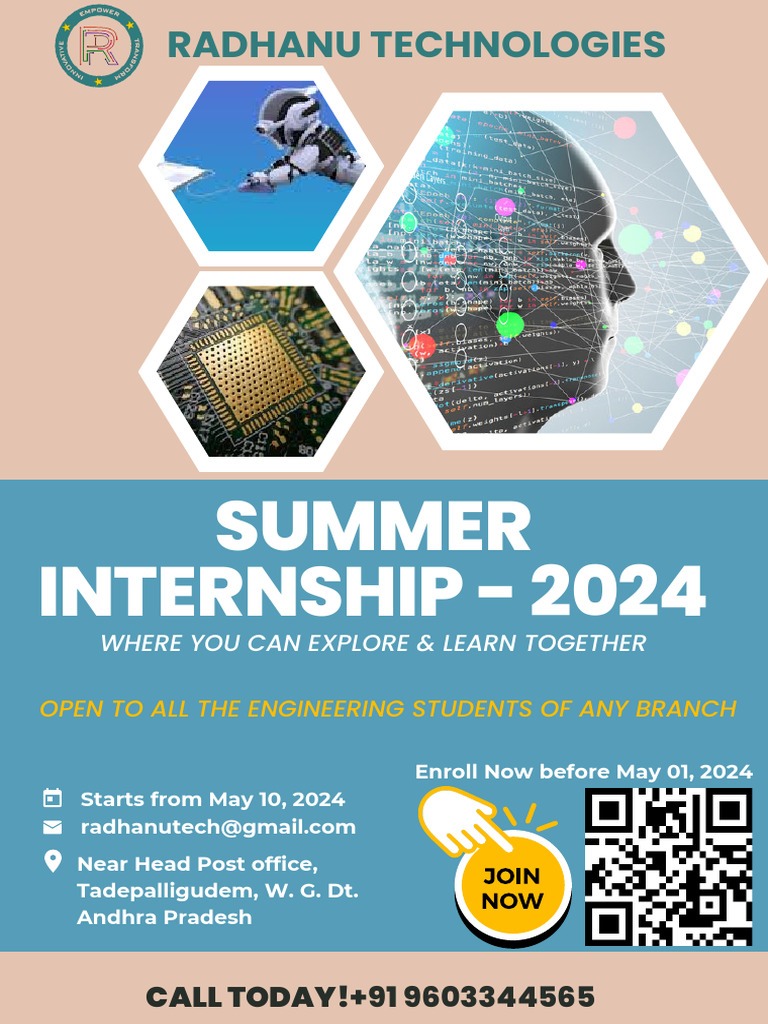
The pursuit of a graduate summer internship has morphed into an essential rite of passage for countless students, epitomizing an intersection between academia and the professional realm. As the timeline edges toward 2026, this trend continues to burgeon, igniting curiosity and fervor among aspiring professionals. But what lies beneath this increasing preoccupation with internships? What drives recent graduates to fervently seek summer experiences that, on the surface, may seem like transient positions but are, in reality, foundational stepping stones toward career aspirations? This article delves into the labyrinthine motivations behind the burgeoning interest in graduate summer internships, unraveling a canvas of professional growth, networking potential, and experiential learning opportunities.
1. The Diminishing Boundary Between Education and Work
In an era characterized by the accelerating pace of technological advancement and the relentless evolution of industry standards, the demarcation between education and work is increasingly porous. Graduate programs are reconstructing curricula to harmonize theoretical knowledge with practical application. Consequently, internships have evolved into pivotal components of the educational continuum.
As students forge paths toward academia’s exit, they frequently encounter a profound sense of urgency to secure summer internships. These opportunities do not merely fill a resumé; they represent opportunities to wield learned theories in real-world contexts. Such integration enhances comprehension and fosters retention, solidifying the edifice of knowledge upon which students build their careers.
2. Amplified Competition in the Job Market
The contemporary job market buzzes with intensity, often resembling a cutthroat battleground where only the most ardent contenders prevail. With economic fluctuations and an influx of graduates, entry-level positions have metamorphosed into coveted commodities. As hiring corporations gravitate toward candidates with demonstrable experience, internships accrue significance for novices hoping to transition seamlessly into full-time roles.
Through participation in internships, graduates acquire substantive experiences that distinguish them from their peers. Skills honed in the crucible of professional environments—team collaboration, critical thinking, and adaptability—become invaluable assets in the eyes of potential employers. But the implications extend beyond mere credentials; they speak to an enduring pursuit of excellence amidst competitive fervor.
3. Networking: The Underestimated Power of Connections
In the digital age, the adage “It’s not what you know, but who you know” transcends cliché to encapsulate a critical reality: effective networking can catapult careers. Graduate summer internships serve as conduits for establishing and cultivating connections within the industry. Interns find themselves mingling with seasoned professionals, mentors, and fellow aspirants, thereby weaving a rich tapestry of professional relationships.
These networks can yield fruitful discussions, collaborative projects, and even potential job offers. However, the true allure of networking transcends transactional interactions. It enables the sharing of insights, fostering a sense of community and mutual support in navigating the complex landscape of career-building.
4. Cultivating a Sense of Purpose and Passion
A profound, if often unarticulated, yearning undergirds the quest for internships: the pursuit of purpose. In an age rife with existential inquiries, many graduates seek internships that align with their values and aspirations, allowing them to explore their passions in tangible ways. Whether in non-profit sectors or cutting-edge tech firms, interns often revel in the quest for meaningful work.
The experience can offer more than a mere paycheck; it can be an exploration of identity and a conduit for self-discovery. Graduates plunge into various fields, grappling with their skills and preferences while nudged toward careers that resonate with their individual ethos.
5. Bridging the Gap Between Theory and Practice
Internships are not accidental stumbles into the professional fabric; they are intentional bridges that facilitate the transfer of theoretical knowledge into practical expertise. Graduate programs often embark on arduous academic journeys, where students accumulate vast swaths of knowledge. Internships serve as the nexus where theory meets application, transforming abstract concepts into concrete practices.
This transformation engenders a transformative learning process, where interns confront real challenges. They cultivate problem-solving acumen, optimize communication skills, and navigate workplace dynamics—attributes seldom fully addressed within the confines of a classroom.
6. The Evolution of Remote Internships
The pandemic catalyzed a seismic shift in how internships are structured, with remote work emerging as a viable and attractive model. The 2026 landscape is an embodiment of this evolution, where potential interns can engage in internships from anywhere in the world. This development widens the aperture of opportunity, enabling students from diverse backgrounds to expand their horizons without geographic limitations.
Remote internships can soften the constraints imposed by location and facilitate a global understanding of industry practices. Graduates can engage with diverse teams, gain insight into international markets, and develop cultural competency—all of which are paramount in an increasingly interconnected world.
7. The Role of Mentorship in Professional Development
Internships often serve as fertile grounds for mentoring relationships, where interns gain not just experience but also guidance. A mentor can catalyze career trajectories by offering insights and support that enrich the internship experience. This dynamic not only fosters professional development but can also provide emotional support, allowing interns to navigate the labyrinth of modern work life accompanied by an informed companion.
The allure of mentorship underscores the intrinsic human desire for connectivity and guidance. As interns forge connections with mentors, they embark on a dual journey of professional and personal growth, cementing their place in the ever-evolving landscape of the workforce.
In summation, the pursuit of graduate summer internships in 2026 is not a mere quest for resumé embellishments; it is a multifaceted endeavor that intertwines the dynamics of education, career preparation, and individual aspirations. Each facet reflects deeper motivations, from the pursuit of practical skills and the cultivation of networks to the exploration of passions and bridging gaps between theory and application. This amalgamation of factors contributes to a more dynamic, prepared, and interconnected generation of graduates, poised to navigate the complexities of the professional world with agility and confidence.